
Or Bruised, Bandaged and Ignored!
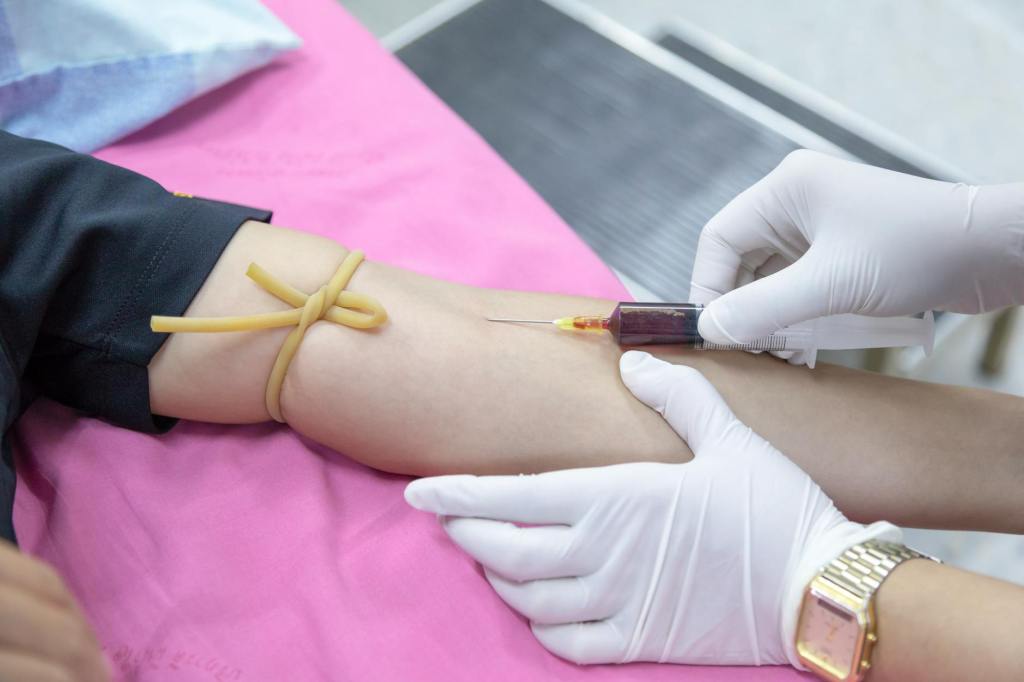
This morning, I had my routine monthly blood tests. I get these quite often and know my body—and my veins, which are sometimes tricky. When I arrived at my appointment, I noticed a new phlebotomist. As usual, I explained that my veins tend to roll and that one side is better for drawing blood.
Unfortunately, my advice went unheard. Not only did he overlook my concerns about my veins, but he also failed to address my need for clear communication. I had told him that I am hard of hearing and need him to speak directly to me instead of turning his back.
I work in a fast-paced customer service job, speaking with many people every day. At the end of a long day, all I want is to remove my hearing aids and enjoy the silence. Having spent most of my life in customer service, I understand the challenges of balancing customer demands with providing quality service. But I also know that true service goes beyond just hearing; it’s about truly listening.
Dealing with an invisible disability comes with unique challenges. Listening to people costs nothing but can make a huge difference. Today’s experience highlighted a gap in how some service providers train their staff—not just in technical skills, but in valuing patients as individuals. It felt as though I was just another patient being processed through a conveyor belt.
By the time I left, both of my arms were sore, bruised, and bandaged. But what left the deepest mark was the feeling of being ignored.
 Schpilkes The Blog