26 Pairs of Yoga Pants and a Forced Vacation

There is nothing more fun than getting sick on vacation. Unfortunately, this is not the first time—and probably not the last.

When we went to China, pre-COVID, I came back with a nasty respiratory infection that took three months and antibiotics to clear. In Thailand, again pre-COVID, I had a terrible case of vertigo that completely threw me off. In Hawaii, two months before COVID, I came back with severe bronchitis and almost broke a rib from coughing. And this pattern has just continued through the years.

I am now on a forced vacation. Our workplace goes through a shutdown during the December holidays, and once again, my lungs are not happy. Interestingly, all my symptoms started after getting a flu shot. Coincidence? Maybe.

I had many plans for this shutdown: tidying my home office, planning ahead for 2026 for my side hustles, and going through my closet to donate all the clothes I no longer like or haven’t worn in ages.

Instead, I sat with a cup of tea, a tissue in hand, and felt miserable. Today, I felt a little better and managed to go through one shelf. To my great surprise, I discovered I own 26 pairs of yoga pants. When I told my friend, she asked, “Do you wear them all?”

Of course not, I replied. I wear the same four pairs that are always on top. So six pairs went into the donation pile, three pairs with holes went straight into the trash—without a proper Marie Kondo goodbye. It’s not a lot, but I’m celebrating this small win.

Am I upset that I got sick? Yes. But it did force me to rest and to pause. I watched silly TV shows, videos of my favorite—Nate the Hoof Guy—and took naps. In a way, it gave me permission to slow down.

I still have a couple more days off, and who knows what I’ll accomplish—if anything. And that’s absolutely okay.

Is Pilates a Form of Torture? Maybe. But It’s My Stress Relief! 

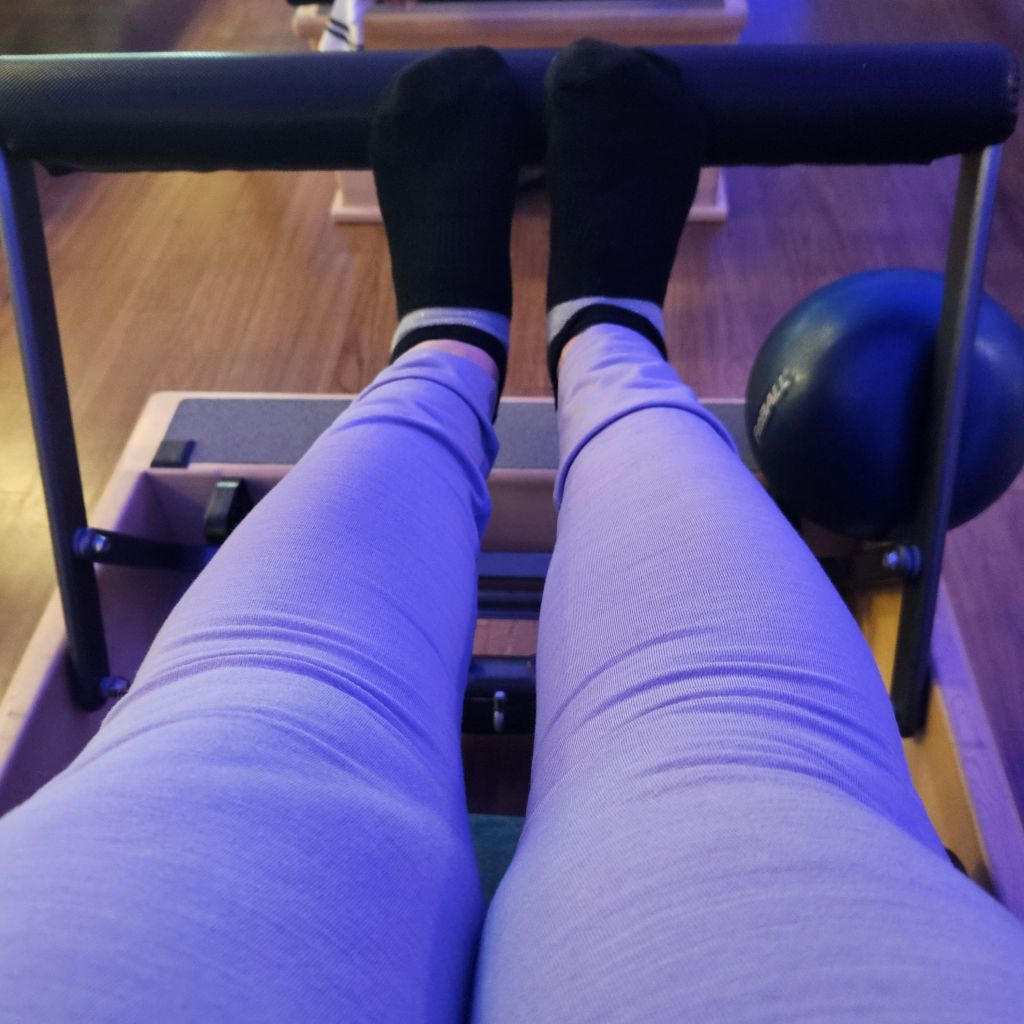
I love Pilates and most of the instructors at my studio. But some days, a class feels like a game of Twister — a game that, if I were 20 years (or even ten) younger, might have felt easy.

These days, though, each class is a little harder. My body hurts. And yet I keep going, again and again, and accept the pain.

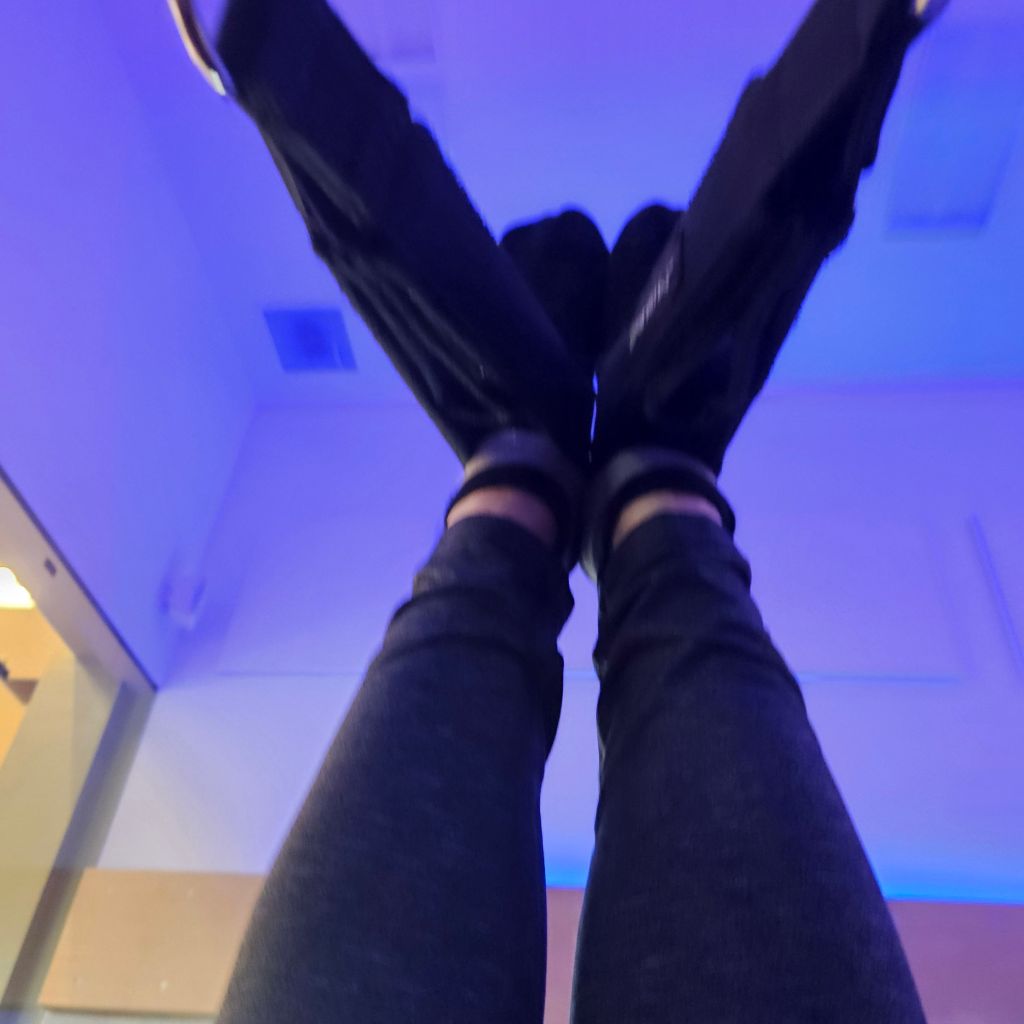
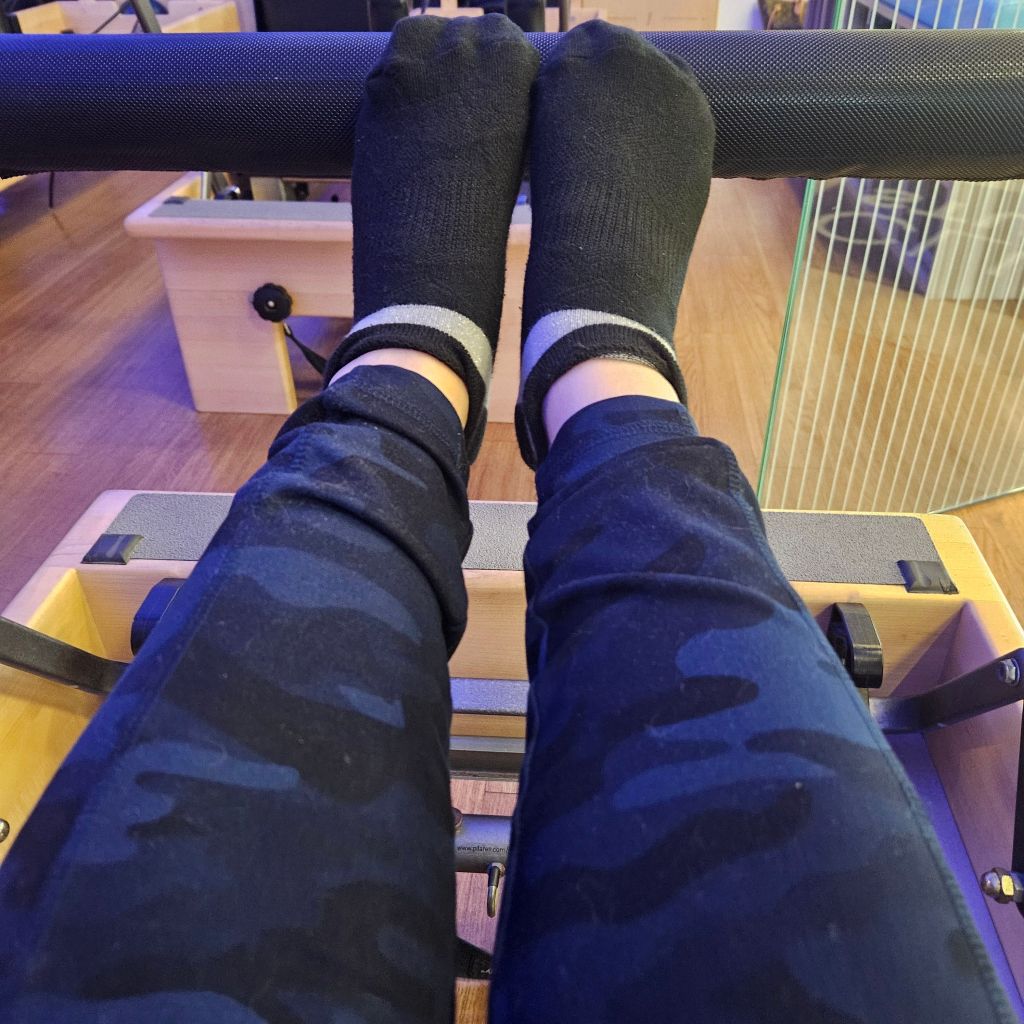
This morning’s Twister routine? One hand on the box, one hand on the reformer bar, one leg on the shoulder block, and the other leg in the air. It hurts just to describe it. Somehow, I managed to tackle all these instructions. Honestly, I was just grateful the instructor didn’t ask us to sing a song — that would’ve been the end of me.

After all that, she came over and corrected my posture for the next exercise. Apparently, my leg is capable of a 90-degree angle. She told me she did it out of “love.” Probably a love of pain.

And yet, I go three to four times a week and wonder: how bad would it be if I didn’t take Pilates?

Why do I do this to myself? Because it’s good for my body — even if I hate it sometimes — and it’s very good for my soul.

Two months ago, my husband had a seizure. Since then, my regular stress life has turned into full-blown stress — with no relief in sight. Stress relief, for me, means not thinking for a little while. But when you’re stressed, your mind races, and you can’t stop thinking.

Enter: Pilates.

I get so caught up in the Twister-like shenanigans during class that thinking becomes impossible. The only thing on my mind is: Is my balance working? Are all my body parts where they’re supposed to be?

I don’t care that I’m not wearing a cute matching Pilates outfit. All that matters in that class is stress relief.

I am stronger now — at least physically. Mentally, my brain is still trying to figure out all those crazy Pilates moves… without falling.

From a Passenger Princess to a Warrior Princess

I used to be a passenger princess—and I loved it. My husband did all the driving while I relaxed in the passenger seat, helping with directions, reading a book, or scrolling through social media.

We love road trips, and I probably enjoyed them more because I didn’t have to drive. But then, the seizure came. One moment, my handsome chauffeur was behind the wheel, and the next, I became the driver—and he, the passenger prince.

Let’s just say… he hasn’t adjusted to his new princely status very well. In fact, he’s still learning the etiquette of being a proper passenger prince.

The transition from being the driver (and occasional backseat driver) to sitting quietly in the passenger seat has been a tough one for him. I’ve lost count of how many times he’s asked, “Did you see that car?” or “Why are you taking this route instead of the other one?” and plenty more unsolicited driving commentary.

What’s funny is that for years, I drove the kids around while he never seemed to care how I drove. But now? Suddenly, I’m under review like I’m applying for a chauffeur’s license.

I try to respond with humor—most of the time. But I’d be lying if I said I didn’t occasionally want to turn him into a frog.

This new role as the warrior princess behind the wheel doesn’t come with an expiration date. My patience, however, occasionally does.

Here’s hoping he gives me five stars on Yelp.

Why I Made Wednesdays My Self-Care Day

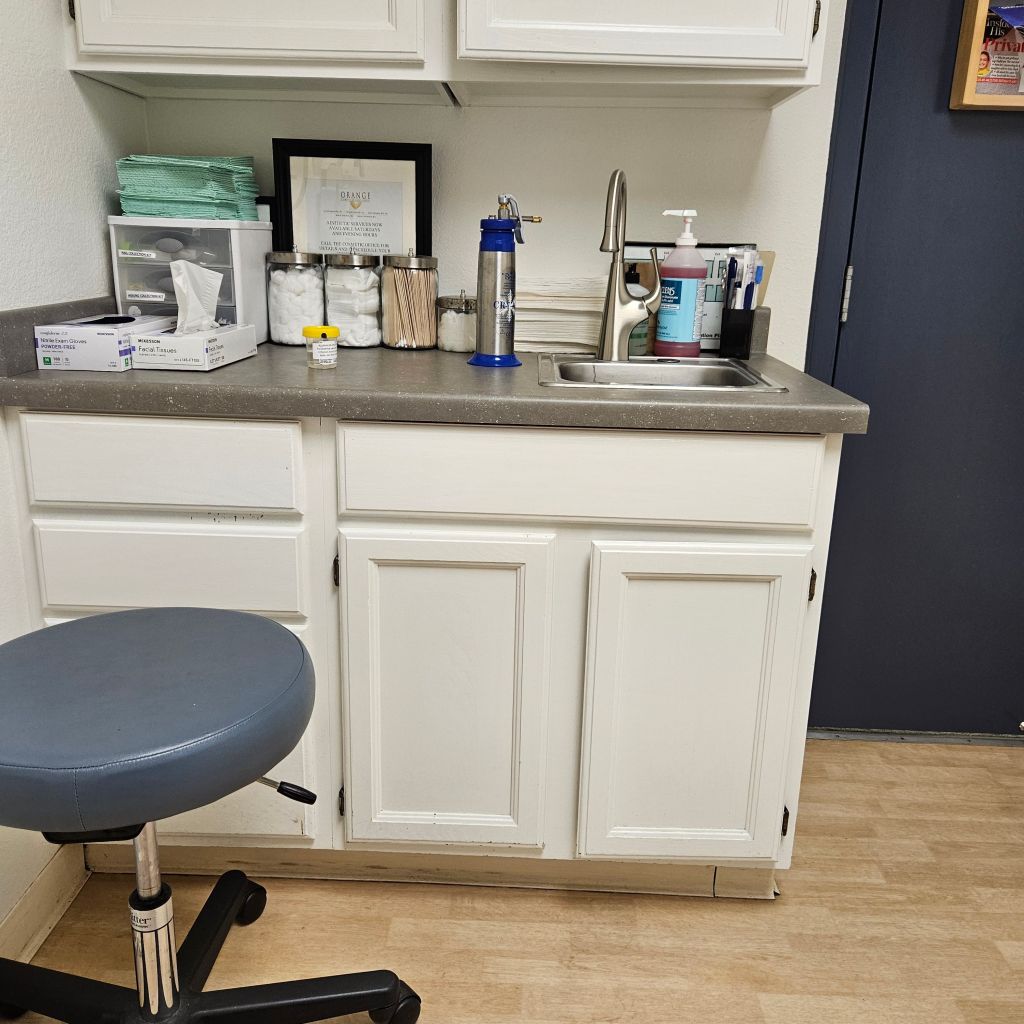
This year, as part of my annual resolutions, I designated Wednesdays as my self-care day. On Self-Care Wednesdays, I schedule doctor appointments, handle insurance issues, and manage my FSA and HSA tasks.

Why Wednesdays? Honestly, it was a practical (and slightly petty) choice—I don’t like the Wednesday Pilates instructor. Silly, but it worked. I needed a dedicated day for health-related matters, and Wednesdays stuck.

At the beginning of the year, I listed all the medical visits I knew I’d need—dermatologist, endocrinologist, dentist—and mapped them out month by month. Then I just started calling and scheduling . This way, I eliminated excuses and avoided procrastination.

As we get older, our calendars fill up with more medical appointments. But caring for ourselves—physically and mentally—is the best gift we can give ourselves and our loved ones.

For a long time, I avoided doctors. Like my dad used to say, “They just find things you didn’t know were wrong.” It took ten years and a lot of frustration before I was finally diagnosed with Celiac disease. Back then, doctors didn’t seem helpful—just another round of meds and foods to eliminate. So I stopped going.

But now I understand the value of routine care. I’ve made peace with it. And scheduling everything on a specific day ensures I actually follow through.

Wednesdays work for me. What day could work for you? Designate a self-care day for yourself—you deserve it.

#selfcare #wellness #health #lifehacks

Facing Reality: My Journey from Out-of-Shape to Reclaiming My Fitness”

Today I discovered that I am an out-of-shape middle-aged woman. I knew I was middle-aged, so that was not really a surprise. The “out of shape” part, however, kind of threw me for a loop.

I started seeing a cardiologist, as it was suggested to me that, at my advanced age, I need to establish a relationship with one. It was a suggestion I listened to and actually followed through on.

I met with the cardiologist, took a heart calcium scan, and had a stress test performed. I walk almost eleven thousand steps a day, do Pilates Reformer three times a week, eat a mostly healthy vegetarian diet, and I’m usually on the move even at work. I also lost almost thirty pounds this past year. So, I thought I would do great on the stress test—alas, I was wrong.

I used to hike a lot. I climbed all the way to the top of the Moon Pyramid in Mexico when it was still allowed, did part of the Great Wall of China, and climbed all the way up to the Pantheon on Lindos, just eight months after breaking my leg. This past summer, I biked for fourteen miles in Alaska—downhill, but I think it still counts! But apparently, all of this wasn’t enough. I am out of shape.

Naturally, I questioned this, and according to the experts, I’ve been neglecting my cardio. I thought that walking was cardio, but apparently, it’s not enough—at least not for my body.

So now comes the proactive part: how do I improve my sad state of cardio without killing myself and still enjoy it? This is a really tough question, as I hate going to the gym. I really do. I also hate running; I firmly believe that running can be uncomfortable for those of us with larger chests—it’s just not pleasant.

I already do Reformer Pilates, but that’s focused on core strength. Now, the cardio part needs to kick in. My middle child is getting married, and there’s hope for grandkids in the future, so getting in shape is a priority. The big question is: exactly how?

When I was younger, I loved biking, so I guess I’ll be biking once again. I think short hikes—with and without the dog—are destined for my future as well. And I believe I’ll also add at least one great date a week with the elliptical at the gym.

I’ll continue being middle-aged, at least for a while, but that won’t stop me from getting back in shape.

Small Changes, Big Impact – My January Resolutions.

As January 1st approaches, so do the typical New Year’s resolutions. Gyms become packed with people hoping to exercise more and lose weight, and exercise machines and gym clothes are on sale everywhere. However, not every resolution has to be a huge, overwhelming goal that is unlikely to be followed through. Instead, choose a couple of realistic ones—and maybe one big, ambitious goal for fun.

Personally, I avoid setting wild resolutions because my life is already hectic enough. But here are some simple, achievable resolutions I’m committing to for the new year ahead, focusing on my well-being and peace of mind:

As January 1st approaches, so do the typical New Year’s resolutions. Gyms become packed with people hoping to exercise more and lose weight, and exercise machines and gym clothes are on sale everywhere. However, not every resolution has to be a huge, overwhelming goal that is unlikely to be followed through. Instead, choose a couple of realistic ones—and maybe one big, ambitious goal for fun.

Personally, I avoid setting wild resolutions because my life is already hectic enough. But here are some simple, achievable resolutions I’m committing to for the new year ahead, focusing on my well-being and peace of mind:

  1. Toss out old makeup and check expiration dates.
    Beauty products can expire and become ineffective or even harmful. It’s time for a refresh!
  2. Replace those worn-out toilet cleaning brushes.
    We all know how grimy these can get. A new brush will keep things fresh!
  3. Go through your home library and donate a few books.
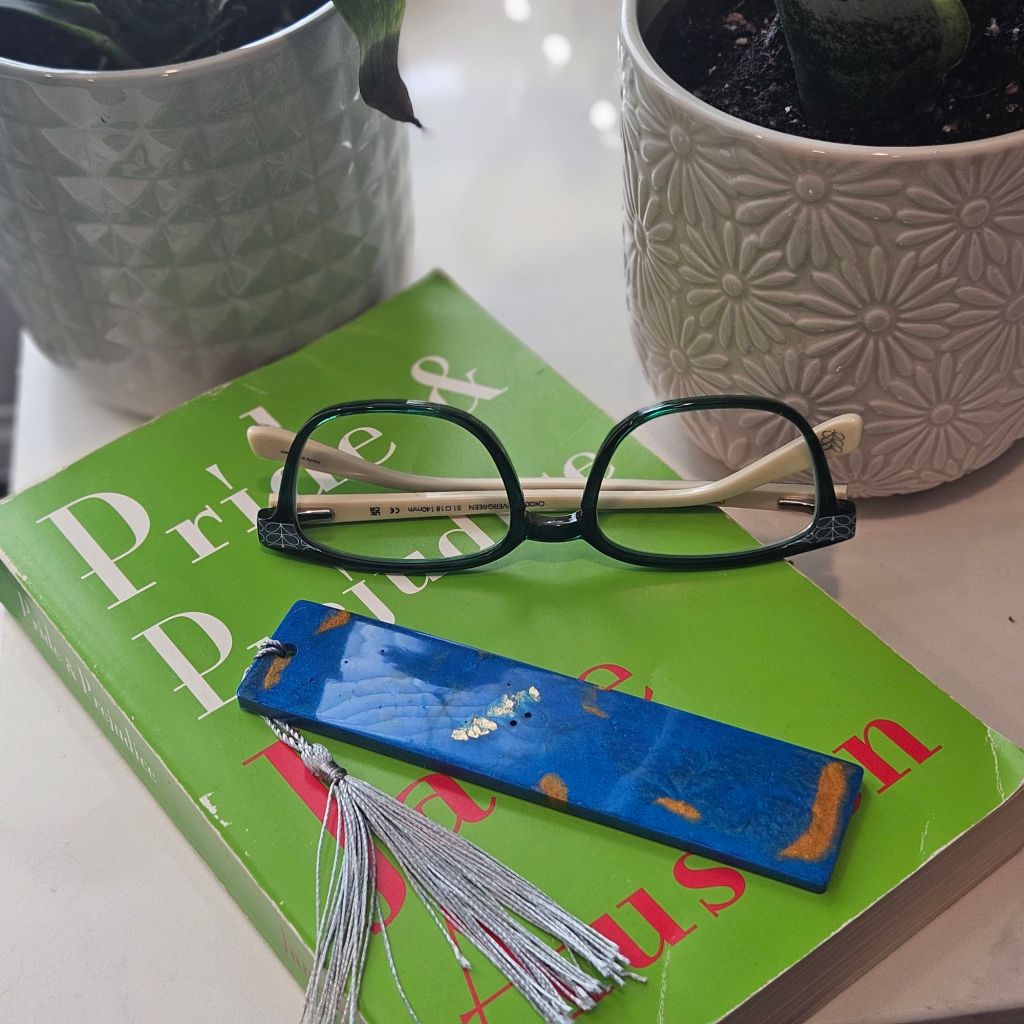
    Clear out books you no longer need, and pass them on to a local charity or library to give them new life.
  4. Tackle one junk drawer.
    Pick a drawer in your home, clean it out, and organize it. Small decluttering efforts make a big difference.
  5. Commit to one day a month without social media.
    Giving yourself a break from screens can improve mental health and foster more meaningful connections.
  6. Reach out to a friend you haven’t heard from in a while.
    Life can get busy, but reconnecting with old friends can be refreshing and rewarding.
  7. Meet a friend for a walk or a hike.
    Physical activity paired with quality time is a great way to bond while staying active.
  8. Update all your security settings.
    Make sure all your accounts have strong passwords, two-step authentication, and up-to-date security settings.
  9. Remember that there is life beyond work.
    Balance is key to avoiding burnout, so take time for yourself outside of your professional commitments.
  10. “Buy Flowers for Yourself Once a Week”

Flowers have a way of brightening up any space and boosting your mood. Make it a weekly habit to treat yourself to a fresh bouquet. It’s a simple, inexpensive way to bring beauty and joy into your life—plus, it’s a reminder to take care of yourself!

These resolutions are manageable and focused on improving my everyday life. Feel free to use my goals as a base and adapt to your life and I hope you’ll consider setting your own personal, achievable goals this year!

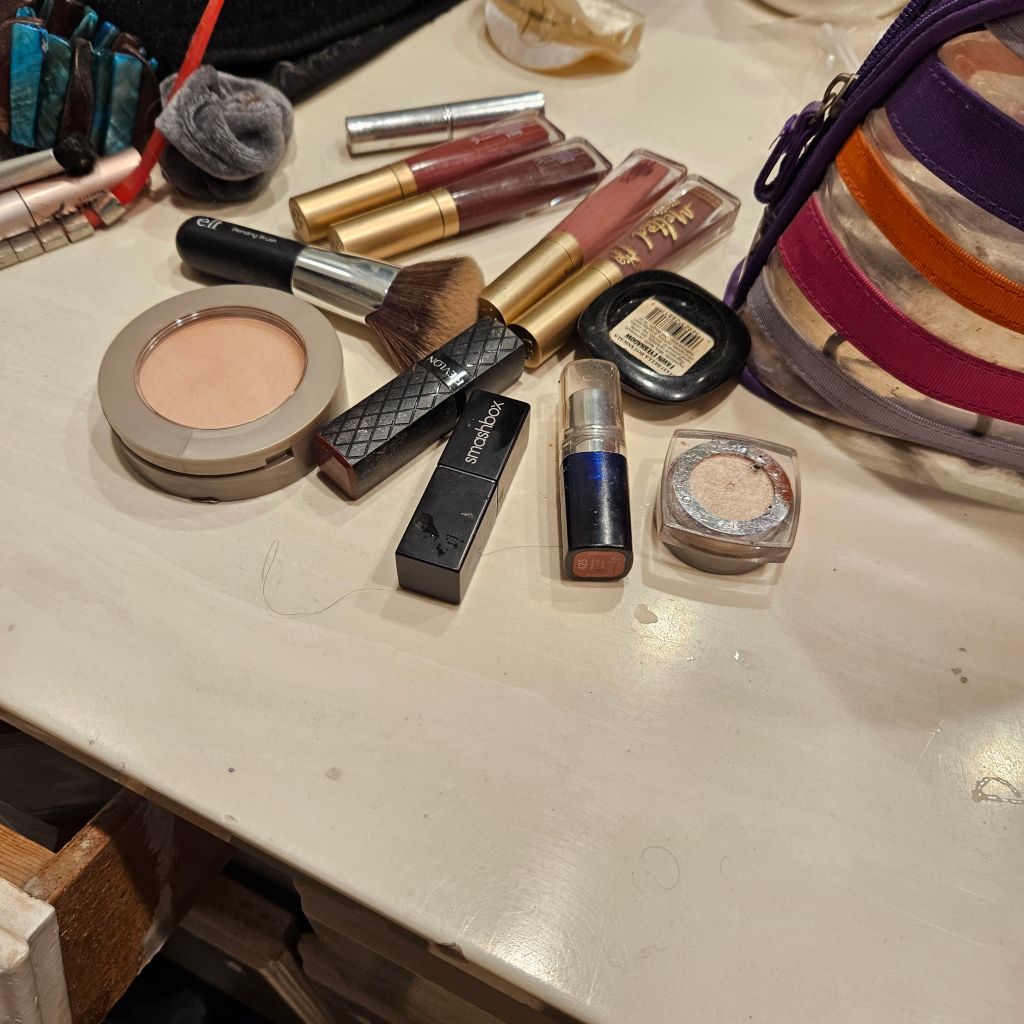
Apparently, I have a gazillion lipsticks  and o don’t even use any of these colors!

Adapting to Hearing Loss: My Personal Journey

At my last Pilates class, my instructor told me that I am quick to follow directions. I didn’t think much of it at first—after all, I’m naturally fast. But as I reflected on it, I realized that my speed isn’t about being prepared. It’s because I can’t hear.

You’d think that losing my hearing, wearing hearing aids, and not enjoying background music in a class would make me slower to follow directions. In fact, it’s the opposite.

I suffer from SSHL, or sudden sensorineural hearing loss, which took away my hearing almost overnight in 2020. It happened during the height of the pandemic, and securing an in-person doctor’s appointment was difficult. By the time I saw an ENT, my hearing loss was permanent.

Losing my hearing isn’t just about the absence of sound; it involves my brain, too. Comprehending what’s being told to me, processing information, and responding appropriately all require more effort and concentration than they did before.

We all cope with losing a vital sense in different ways. Some retreat into themselves, others embrace their new reality, and some, like me, find ways to adapt. After the shock wore off and I realized that my life would never be the same, depression set in. I was consumed with fear about how I would continue living. It’s hard to work in customer service when you can’t hear what people are saying, especially when masks and barriers were mandatory.

At first, I avoided crowds, restaurants, and most social interactions. I thought I was doing the right thing, but in reality, I was isolating myself. As an introvert, I found it strangely comforting to be alone. But then I realized I still enjoyed being around people. So, I developed a kind of “superpower”—anticipating what people were about to say or do. Not being able to hear forced me to watch and observe. I learned to read body language, facial expressions, and subtle cues. In noisy environments, I became a silent observer, finding the smallest gestures fascinating and, oddly enough, entertaining.

When my Pilates instructor complimented me on my quickness, I just smiled. People don’t need to know that my brain is constantly processing, predicting, and observing. It’s my way of adapting to a world I can no longer hear in the same way.

We all have our coping mechanisms, this is mine and I hope that everyone finds their own way.