When My Husband Asked: What’s Wrong with Gluten?

I was asked the most bizarre question today by the Passenger Prince.
He asked me, “What’s the problem with gluten?”

In a regular household, this question might not seem strange. But in our house—where three of us have Celiac disease—it was downright shocking.

I, the Passenger Prince’s wife, was diagnosed when I was thirty-nine, almost twenty years ago. Two out of our three kids received the lovely Celiac gene as well.

I was driving the Prince to work when he asked me this question, and I almost stopped the car in astonishment.

The man saw what I went through before I was diagnosed. He saw our daughter’s health deteriorate until she was a shadow of herself. And yet, he still asked that question.

After I collected myself for a mini second, I asked him where this was coming from. Apparently, Dr. Google had suggested that going gluten-free could help with seizures.

As much as I appreciate Dr. Google’s extensive medical training, I told him he should talk to a neurologist—or at least a nutritionist.

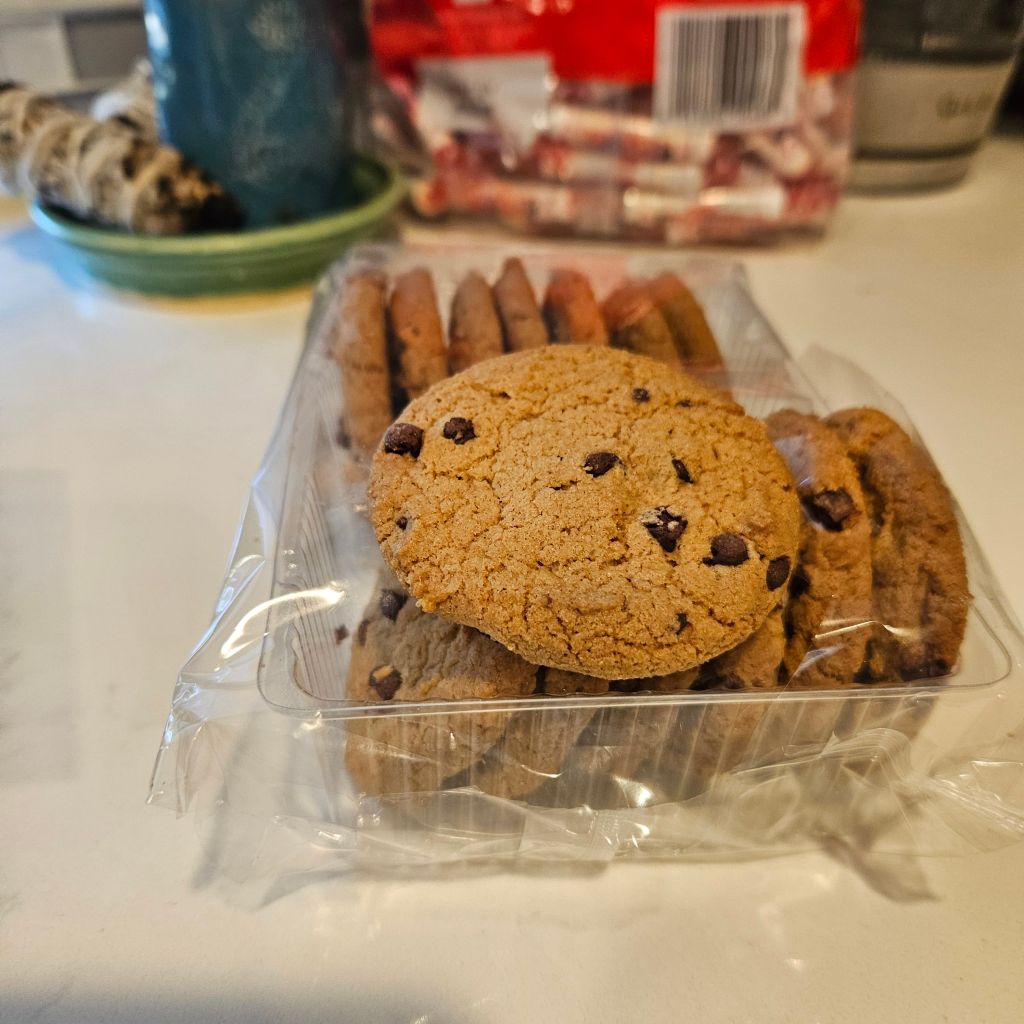
I’ve been gluten-free for many, many years now. But every once in a while, I miss a normal-sized slice of bread, good pasta, and the freedom of eating anywhere without reading labels or worrying about cross-contamination. I still get excited when I discover new gluten-free pizza options at Costco.

So back to his “silly” question: Gluten is great—very tasty, even. But for us Celiacs, gluten is the enemy and even after twenty years gluten-free, the learning never ends — especially in our house.
The Sounds We Forget to Hear

The Sounds We Forget to Hear

Hearing is something most of us take for granted. We rarely pause to notice the sounds that surround us—the rustle of leaves, the hum of traffic, the laughter of children. Instead, we walk through life plugged into headphones, filling every moment with music, podcasts, or phone calls. We wear them when we walk, talk, commute, and definitely when we exercise.

This week, my youngest made crème brûlée. She’s been perfecting her recipes lately and this time offered dairy-free, vegan, and lactose-free options. In our household, that’s not just a nice gesture—it’s a necessity. We are a home full of celiacs, lactose-free lifestyles, and IBS sufferers. My children, poor things, didn’t need a genetic test to prove maternity—they inherited all my “fun” genes: the celiac gene, the IBS gene, and definitely the lactose intolerance gene.

But here’s the moment that gave me pause: as she torched the sugar on top of the crème brûlée, I heard it. The delicate, satisfying crackle of caramelizing sugar. That beautiful, subtle sound was only possible for me to enjoy because I had my hearing aids in. Without them, I’d have missed it entirely. That tiny moment of joy made me think about how much we miss when we don’t stop and really listen.

Take Charlie, our neighborhood squirrel. Charlie is something of a local character—and a sworn enemy of our dogs. (They’re terriers. It’s instinct.) Charlie, bold as ever, hisses at them from his perch on the tree. Every time he does it and I actually hear it, I can’t help but laugh. It’s such a strange, small sound—one I never noticed before hearing aids. But now I hear it, and every time I do, I’m delighted.

When I was younger, my mother used to warn me: “Don’t listen to music so loud—you’ll ruin your hearing!” I wish that was the reason I have hearing loss. But for me, it’s just part of the hand I was dealt.

I remember the day I got my first hearing aids. My audiologist looked at me and said, “Just a heads-up—the world is loud.” She wasn’t wrong. It is loud. But it’s also incredible. Hearing the world—even when it’s loud—is a gift.

So if you can hear the birds in the morning, the hiss of a squirrel, or the crackle of sugar on a homemade dessert—pause for a moment. Take your headphones off. Listen. The world has so much to say, and it’s worth hearing.

“Stress, Guests, and Cinnamon Rolls

Some people are stress eaters. I, on the other hand, am a stress baker.
When I get really, really stressed—I bake.
Unfortunately for me, I also eat what I bake. And I only bake things I like—like cinnamon rolls and banana bread. (Yes, I baked them even before the pandemic!)

I’ve always been a baker, but when I was diagnosed with celiac disease and had to go gluten-free 20 years ago, I had to change my recipes. I had to adapt to different flours to get the same taste my brain remembered. Luckily, I’ve adjusted. Unluckily, I still eat what I bake.

This past weekend, my daughter got married. It was stressful—but manageable. The family and guests that came with it? Less manageable and much more stressful.

I always have expectations about people’s behavior—maybe because I know how I behave as a guest. And in my foolish optimism, I expect the same from others. I’m usually wrong. But we’re only responsible for our own actions—and that’s where the stress comes in.

It’s stressful enough dealing with all that, but then all the flights back to my guests’ home country got canceled. So now, it looks like I’ll be hosting people longer than I expected—while also going to work, managing expectations, entertaining guests, handling stressed dogs, and just trying to return to my regular routine.

So: stress baking.
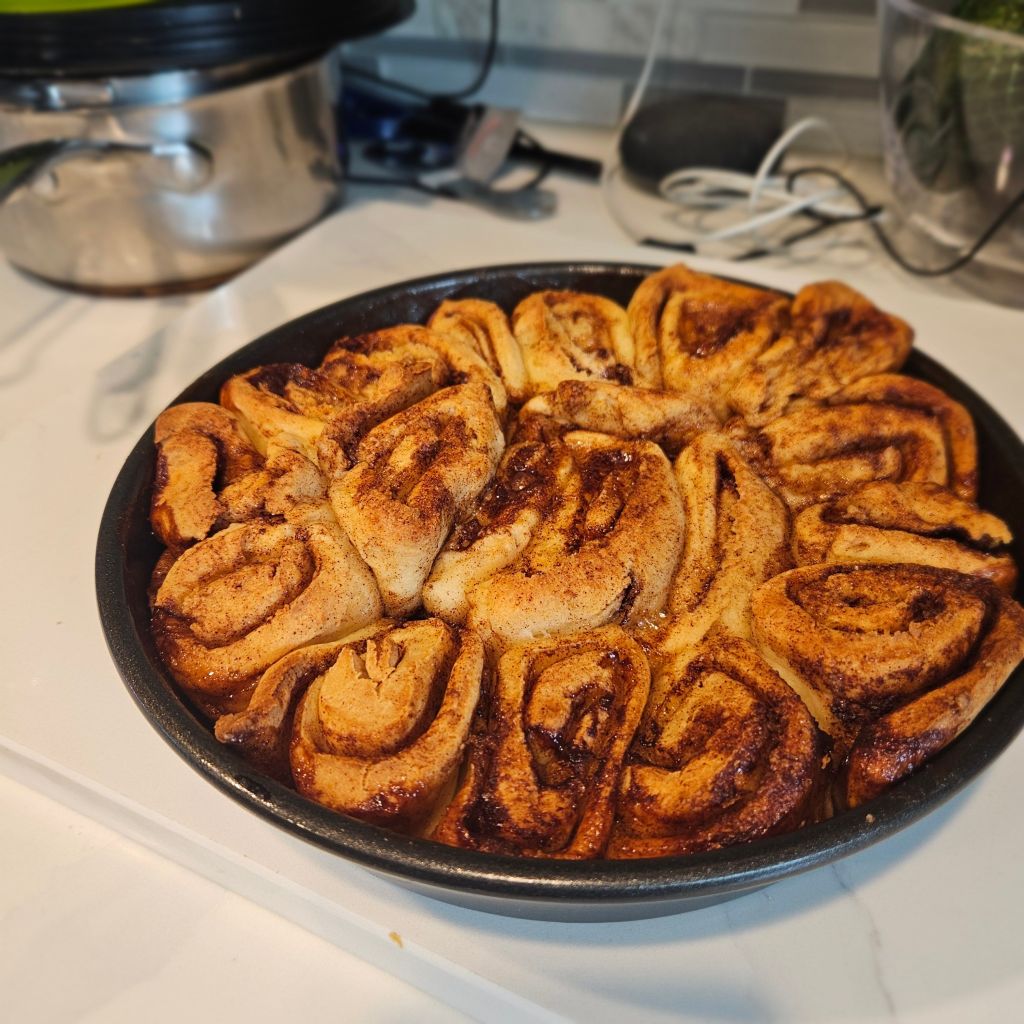
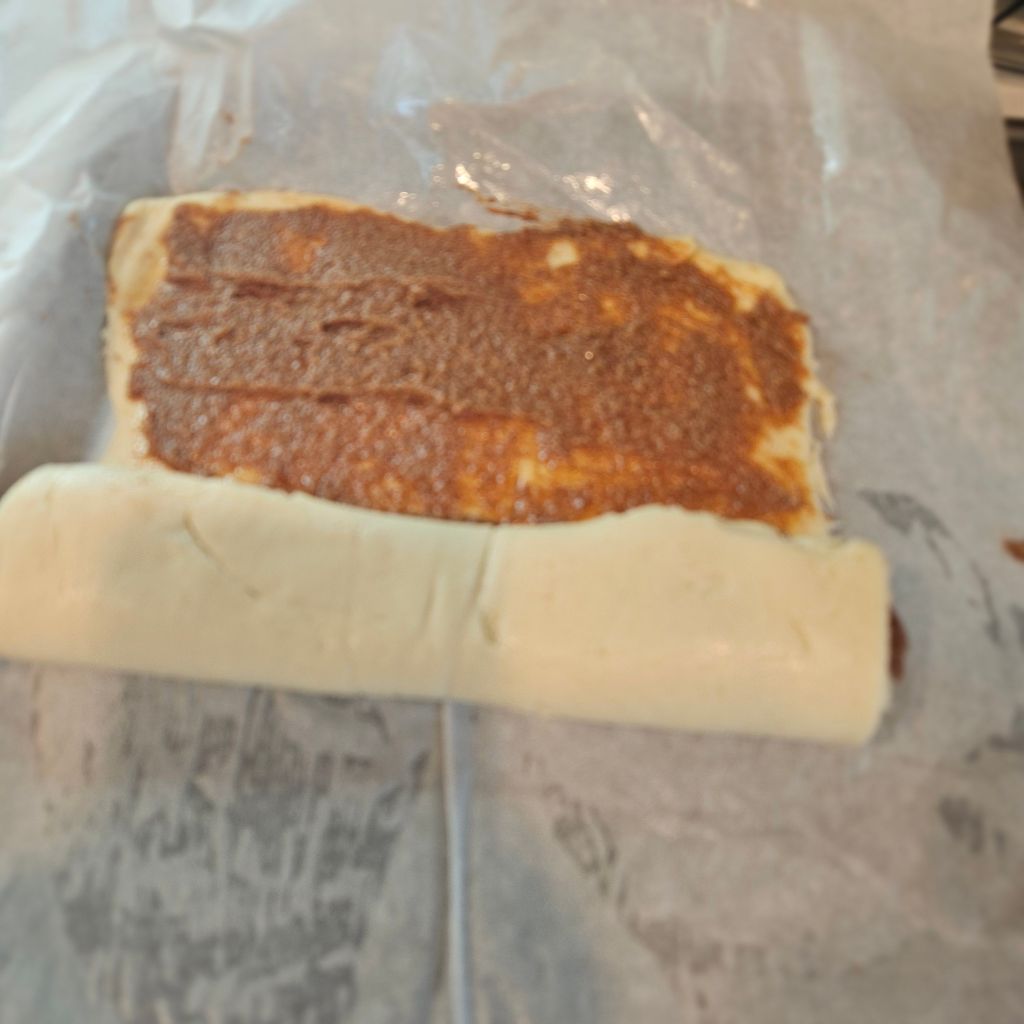
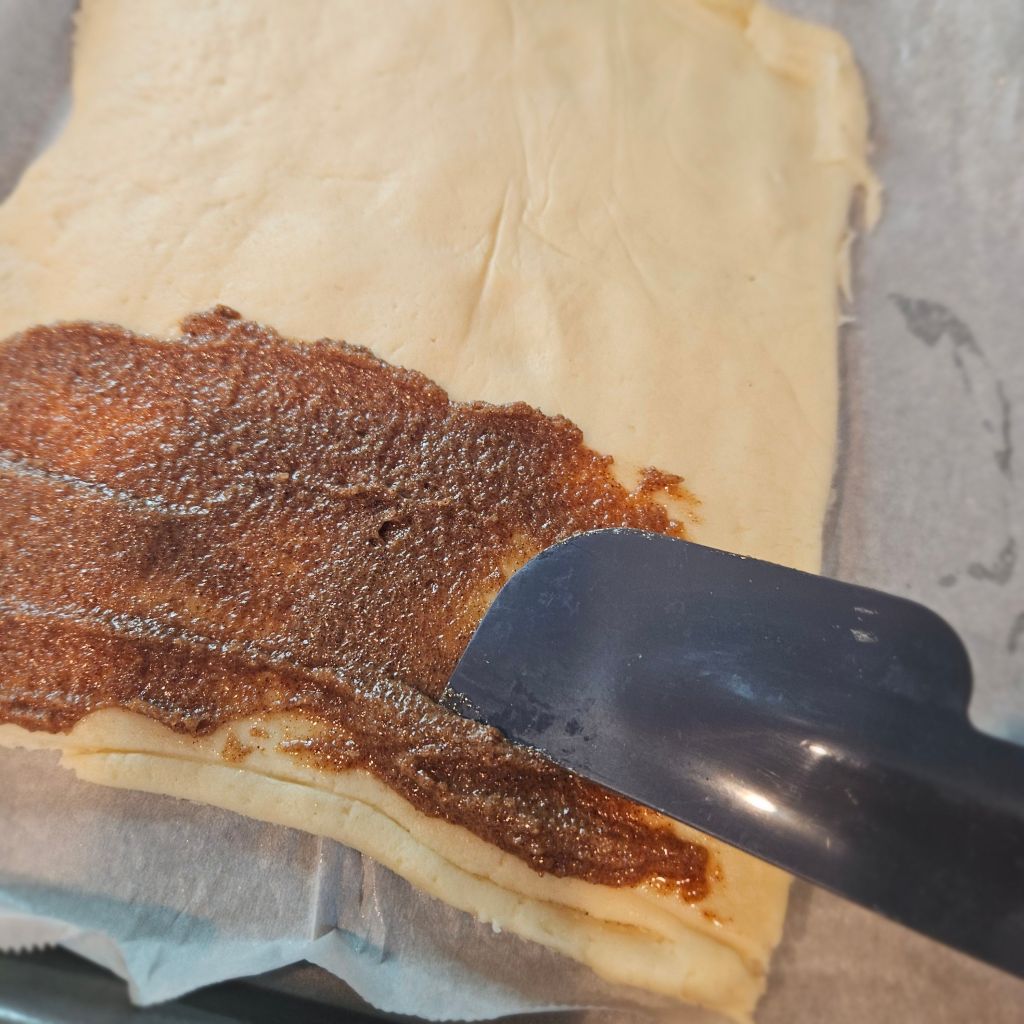
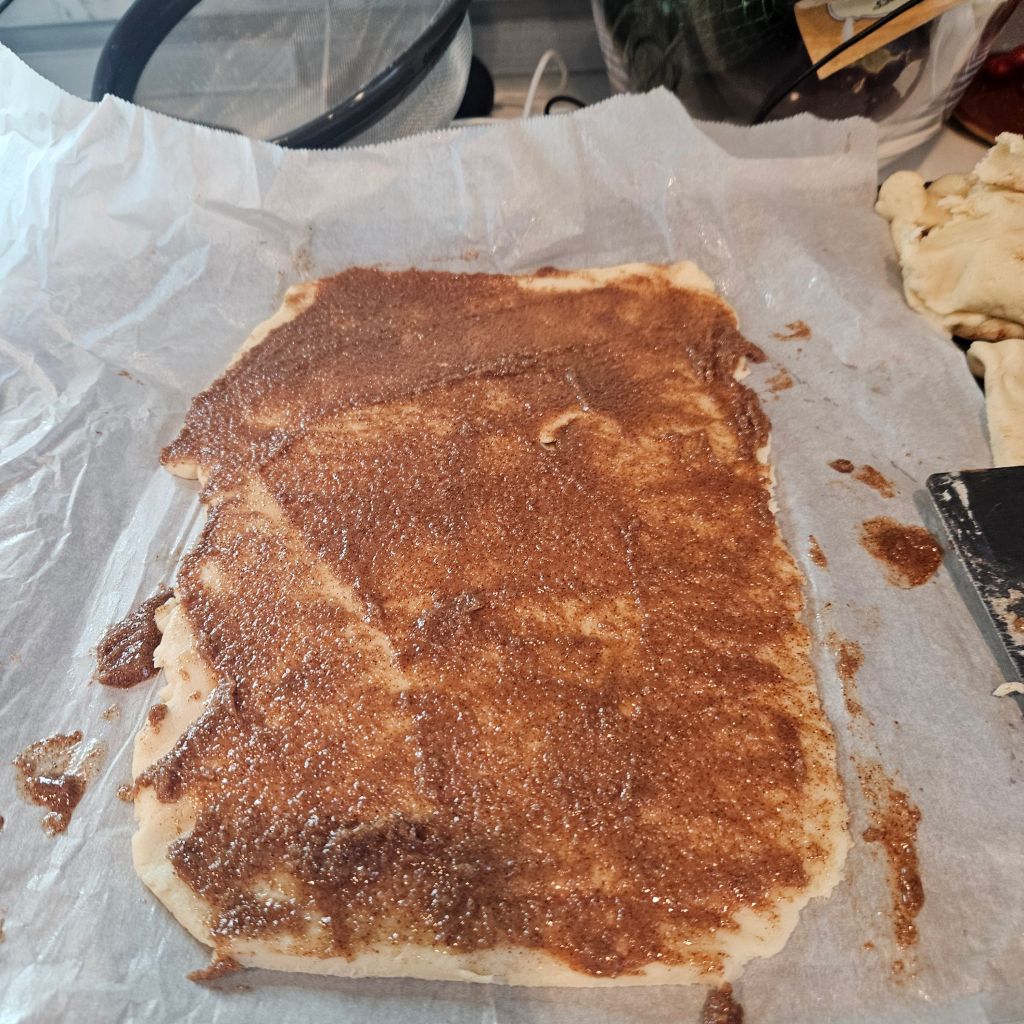
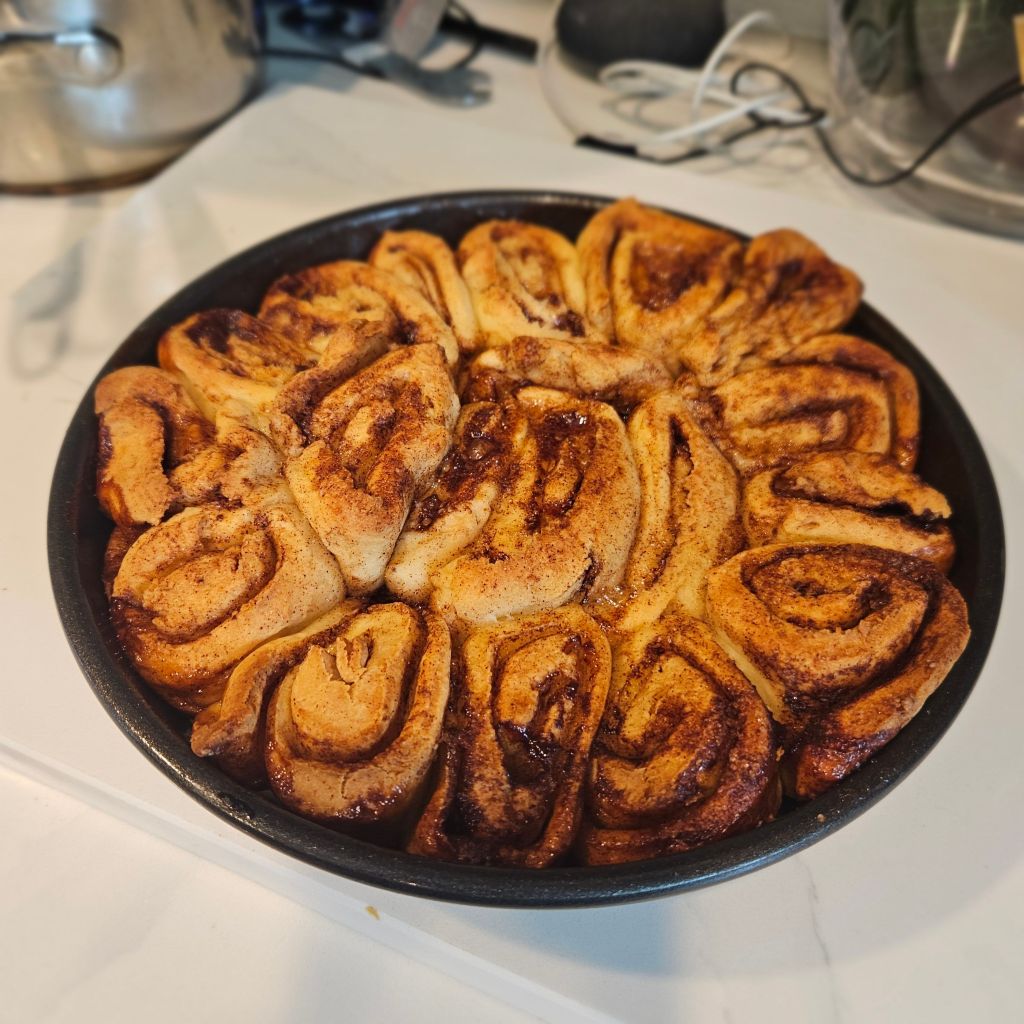
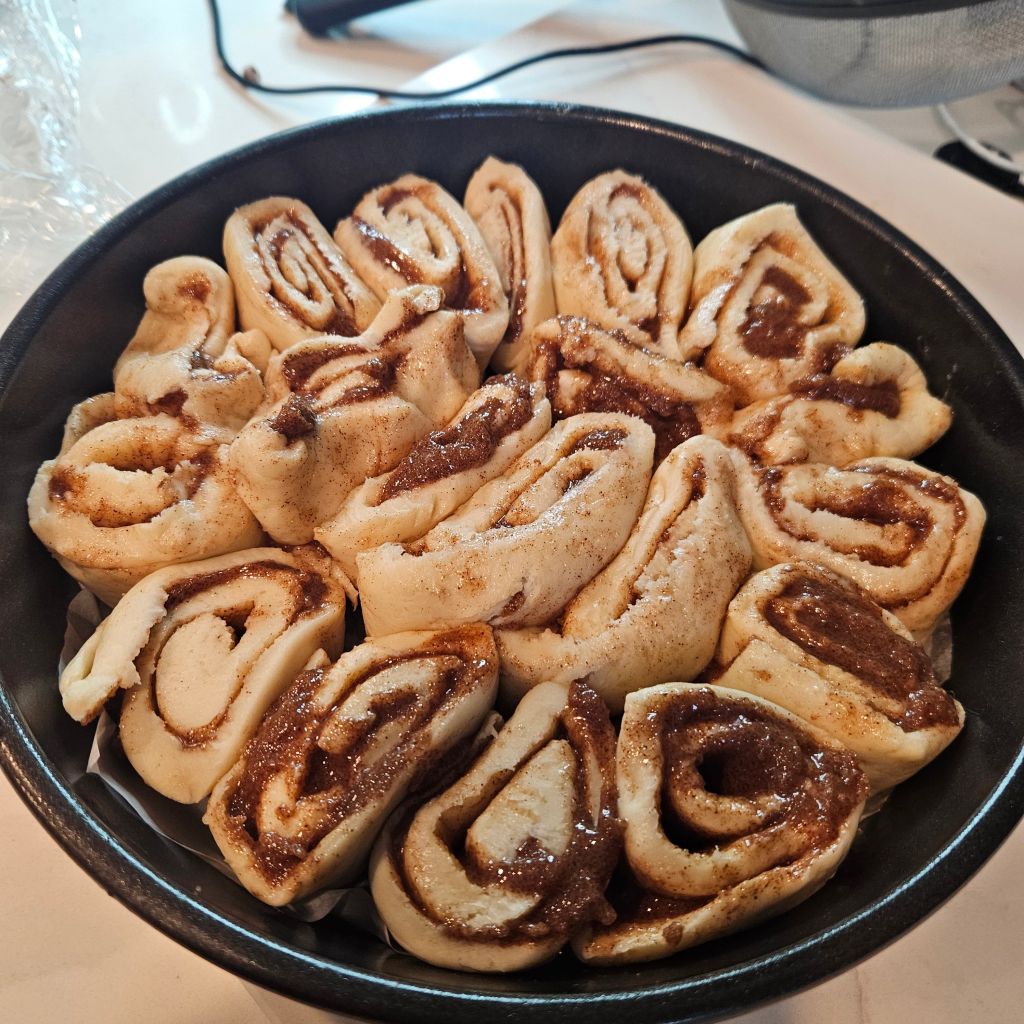
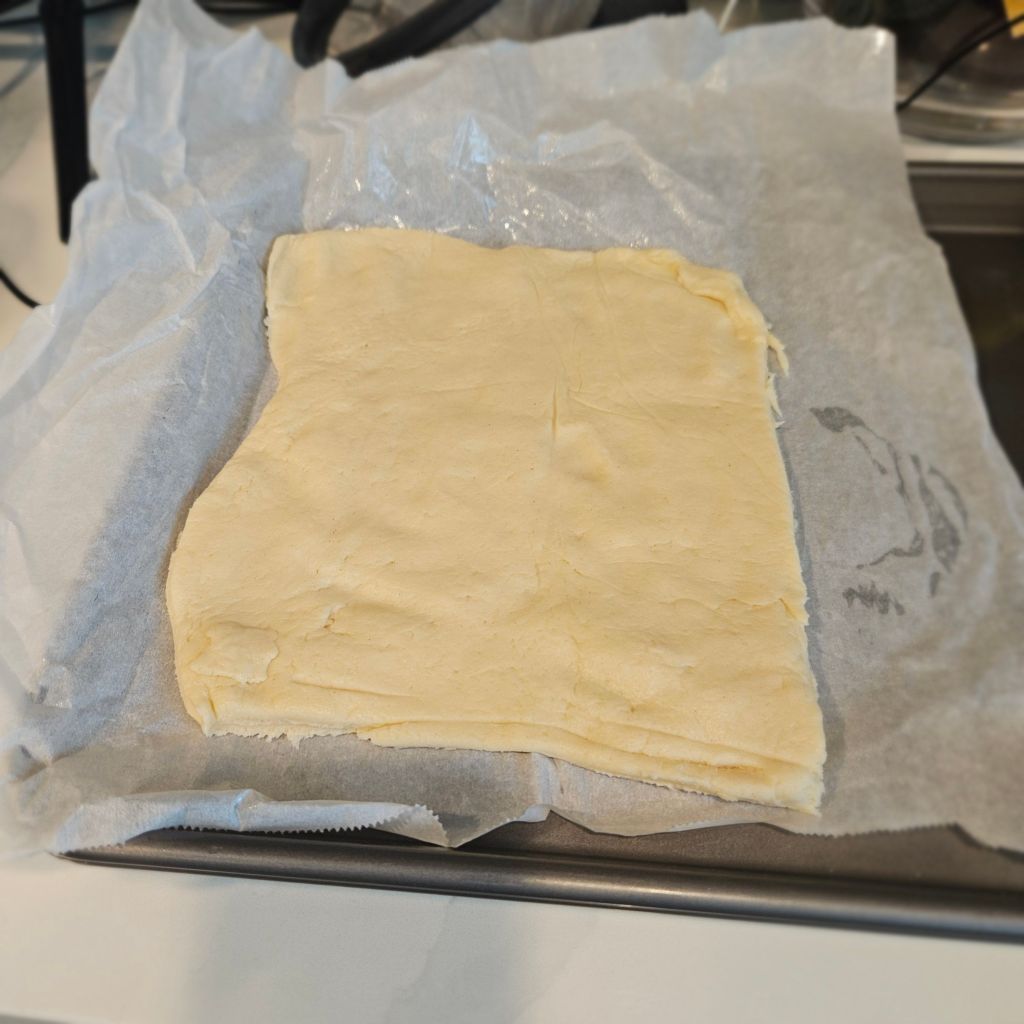
I’m writing this while my dough is rising, and I’ll be putting my gluten-free cinnamon rolls in the oven soon. Hoping the smell of cinnamon will calm my nerves.

(Recipe: Ultimate Cinnamon Rolls from Pamela’s Products, for the curious minds.)

The Mourning We Don’t Talk About

In life, we mourn many things—not always death.

I’ve mourned my celiac diagnosis, my sudden hearing loss, and most recently, a friendship of nearly 30 years that quietly came to an end.

When I was first diagnosed with celiac disease, I mourned my freedom. The freedom to eat without fear, without reading every label, without scanning menus for hidden gluten. Back then, gluten-free options were scarce, and most of them tasted awful. I remember walking through Costco and crying, realizing there was nothing I could buy there ever again. That moment stayed with me. It took a long time to adjust to this new reality—20 years later, I still feel that sense of loss sometimes.

When I lost my hearing overnight, I mourned again—this time with fear. Fear of navigating life without a major sense, one that’s crucial for safety, for work, for connecting with others. I’m now five years into living with hearing loss, and some days are still hard. Crowded spaces overwhelm me. Conversations at parties are nearly impossible. I’ve become even more of an introvert, not by choice, but by necessity.

And this past year, I’ve been mourning a friendship. A nearly 30-year bond with someone I once considered a true friend. The kind of friend you shop with, laugh with, lean on. The one who would’ve helped me pick a dress for my daughter’s wedding, told me the truth in the fitting room, and listened when I needed to vent. She would have been there—and I would’ve done the same for her.

I have other friends. Good friends. But that doesn’t erase the ache of letting go of someone who once held a permanent place in your life.

Grief comes in many forms. And like any loss, it moves in stages. Maybe I’ve reached the final one. Maybe I’m at acceptance.

Or maybe I’m just learning that some grief never really ends—it just changes shape.

Bread Trucks and Blood Pressure: Finding Humor in Life’s Challenges

funny. You see, I’m a Celiac — I can’t eat gluten because of an autoimmune disease. I was diagnosed with it as a “birthday gift” on my 39th birthday, and as a former carb-lover, giving up bread and pasta wasn’t easy. Back in the day, gluten-free options were hard to come by and, frankly, not very tasty. And, let’s be honest, gluten-free bread is still the size of a postage stamp.

Life these days is hectic, crazy, and sometimes full of stress. Lately, work has only made it worse. My cardiologist told me I need to lower my blood pressure. I asked him how to do that when people around me constantly annoy me and drive me crazy. I’m still waiting for a solid answer to that question.

I try not to take everything too seriously — not because I think life is a joke, but because we’re all dealing with serious things. We need to find humor in what surrounds us. Unfortunately, that doesn’t seem to help much with my blood pressure.

Losing my hearing was tough. I went through the stages of grief because losing such an important sense impacts my quality of life and everyday well-being. But five years later, when people ask how it affects me, I joke that it’s actually a blessing for my husband — I don’t hear any of his annoying remarks anymore.

So, having a bread truck full of gluten following me around was pretty funny. Who knows, maybe it’ll even show up in my dreams tonight.

#GlutenFreeHumor #CeliacLife #FindingTheFunny #LaughThroughTheStruggles
#CeliacWarrior #HealthWithHumor #BreadTruckChronicles #AutoimmuneLife #GlutenFreeJourney #StressAndLaughter

Living In a Food bubble

I love cooking books, I love cooking shows, love kitchen gadgets and I really love to watch my country’s Master Chef. The only problem with what I wrote in the previous sentence is that I hate cooking but I really love eating. I don’t come from a line of cooks or mini chefs, I come from a line of those who find short cuts. When my kids were young stir fries were eaten frequently as was pasta, pizza, quesadillas and tacos, all foods that were easy to make with 3 young children.

The last 3 pandemic years when we were all home kinda changed my love hate relationship with the kitchen, I started cooking more and trying new foods and flavors. When I watched Master Chef I discovered foods I have never heard about before that apparently are commonly eaten in my country, foods that I have never heard about. When I say this my husband keeps reminding me that we have not lived there for 30 years so that might be it. But in reality when I researched this I discovered these foods were there always. I apparently have been living in a food bubble.

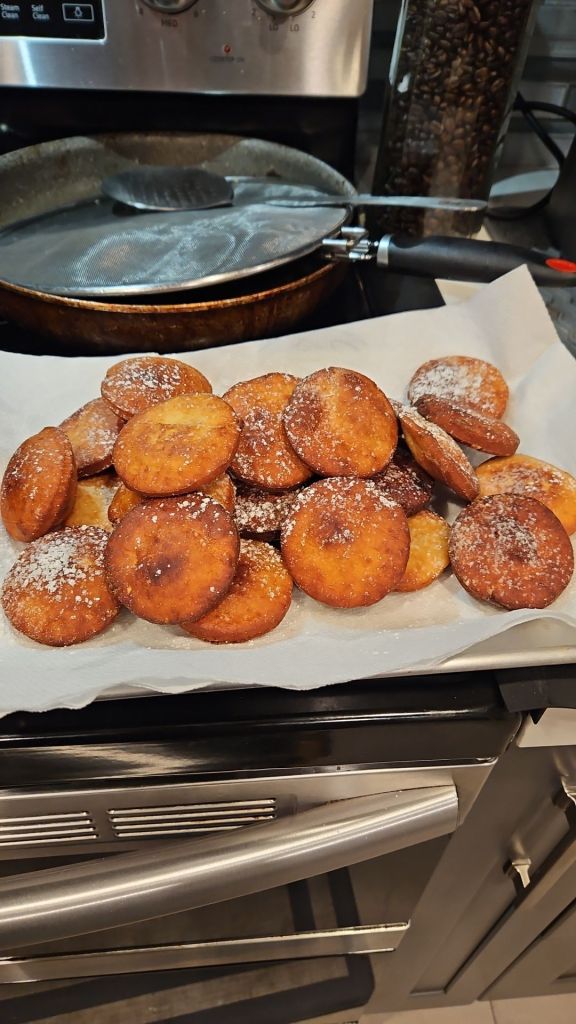
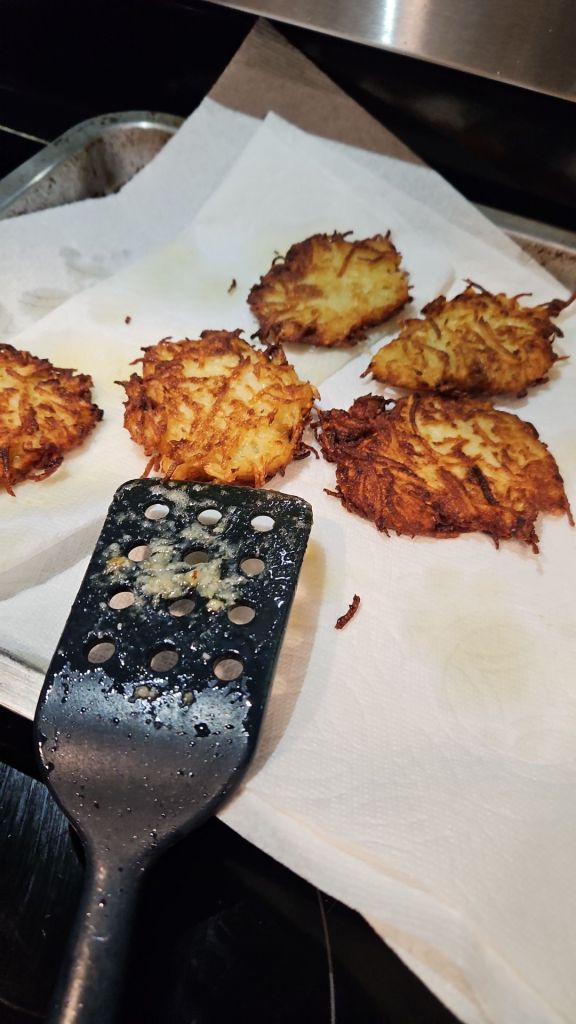
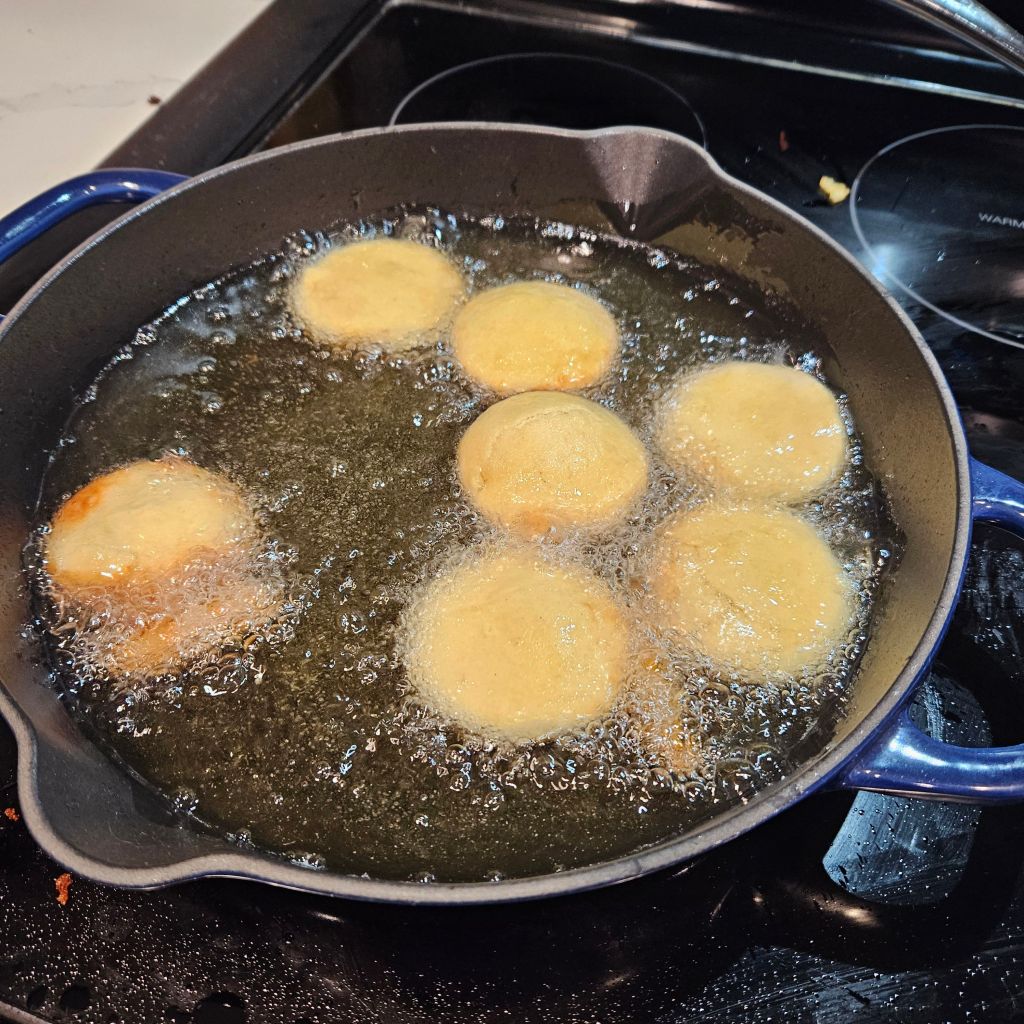
Technically food bubbles are not bad thing if this is what you like, we all have our go-to comfort foods that we can eat all day and every day. I do have to add that I am a Celiac, which means I do not have the food freedom that most people have. But during the pandemic I decided to expand my food range and try new things or even convert some interesting menus to become gluten free.

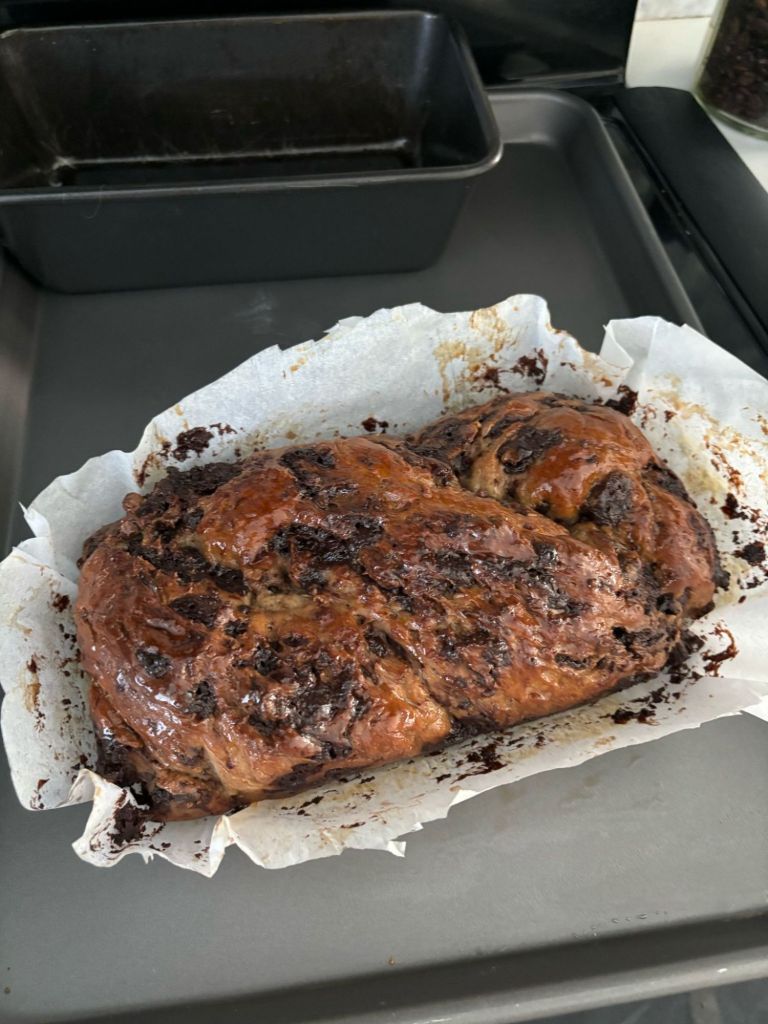
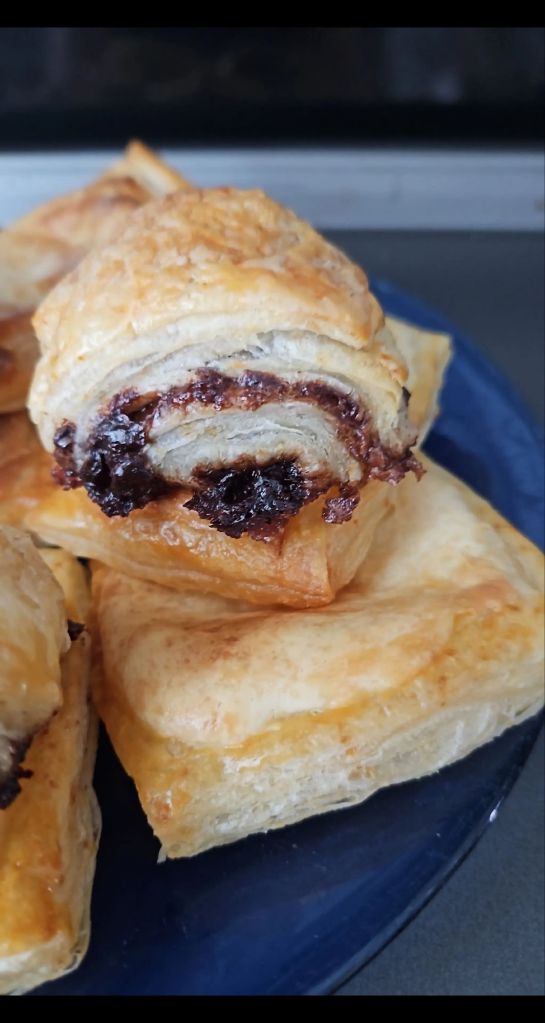
I have succeeded on some and failed miserably on others. My baking skills have improved and I can make a mean gluten free Brioche and focaccia bread that are not hard as a rock the following day. I also discovered more ethnic north African foods I like and figured out how to make them. My fails were on foods that were foreign to me and I had no intrinsic feel of what they taste like, just how they look like on TV or on paper. But my food journey is not over and I am continuing on my mission of breaking my food bubble.