Leadership by Example: The True Role of a Director

At work, I wear many hats—plumber, receptionist, IT gal, operations manager, therapist, and occasionally, teacher.

My official title is Director of Administration. Unofficially, I’m the go-to woman—the one people turn to when something needs to be done, no matter what it is.

My guiding principle is simple: I go where I’m needed and do what needs to be done to keep things running smoothly. I believe in leadership by example. I’ve never considered any task beneath me—not even the messy, uncomfortable ones.

When I interview potential team members, I lay it all out—the perks and the challenges. I make it clear that while we have a janitorial service, accidents happen when you work with kids. Sometimes, those accidents involve bodily fluids. And yes, someone has to clean it up—especially if it’s in a public space.

We provide everything you need—gloves, masks, cleaning supplies—and we all take turns when needed. Including me.

This is usually the moment in the interview when people decide if they’re really a good fit.

Leading by example isn’t always the easiest path. Sometimes, delegating would be quicker. But I’ve never been the kind of leader who just gives orders from the sidelines. I expect just as much from myself as I do from the rest of my team.

For me, it’s not about choice—it’s about character.

Because at the end of the day, leadership isn’t a title. It’s showing up, getting your hands dirty, and doing what needs to be done. Hats and all.

When the Bots Win: My Frustrating Return Dispute with Poshmark

I’ve been arguing with Poshmark for the past week—yes, me, a tiny human being in a standoff with a big company over one of my sales.

Poshmark’s return policy is supposed to be clear: no returns for buyer’s remorse or fit issues—only for misrepresentation. But lately, buyers have been exploiting that exception, and Poshmark’s bots usually approve these returns without much scrutiny. Why? Because they don’t want to upset buyers. Ironically, this is upsetting sellers—the very people who supply the platform’s inventory.

Poshmark takes a 20% commission on every sale. In exchange, they offer easy shipping and claim to provide protection for both buyers and sellers.

My sold listing included plenty of photos—front, back, inside, outside—and detailed measurements from every angle, along with a solid description. Buyers can either click “Buy Now” at the listed price or make an offer to negotiate. In this case, the buyer—located in a different time zone—sent an offer while I was asleep. Impatient, they went ahead and bought it at full price.

I don’t ship immediately when someone pays full price. There’s a window for cancellations, and I like to give time for buyer’s remorse to settle in. So I shipped the next day, as I usually do.

Just two minutes after the item was marked “delivered,” the buyer opened a return case citing misrepresentation. I reached out privately and—surprise—the buyer admitted they regretted the purchase. (Yes, I took a screenshot.)

I responded to the case with all the listing photos and that screenshot. But of course, I got the typical bot reply.

Frustrated—and admittedly with some free time—I emailed customer service with a full breakdown. This time, a human responded. They agreed I was right, but said the return had already been approved and couldn’t be reversed. Essentially: “Sorry, our bad, but tough luck.”

I work in customer service myself. I know what it’s like to be on the receiving end of complaints. But I’ve never told a customer, “Yeah, we messed up, but it’s your problem now.”

Their follow-up email was vague and meaningless. I responded again, expressing my disappointment in the company.

My husband thinks I’m nuts—and maybe I am. But I don’t like being called a liar, especially not by a person or a platform I’ve supported.

I love Poshmark. I buy and sell there because it’s easy to use compared to other platforms. But their customer service? Let’s just say it should be renamed the “Customer No Service” division.

I don’t know if they’ll respond to my last email—and honestly, at this point, I don’t care. But they’ve left a bad taste in my mouth, and now I’m reevaluating this whole side hustle.

“Have you had a similar experience? Let’s talk.”

#CustomerServiceFail #poshmark #onlineseller #buyersremorse

Why I Finally Started Taking Time Off (And You Should Too)

I took a day off today—not for any special reason, but simply because I maxed out my vacation hours and am no longer accumulating any more. Since that’s the case, I’ve started taking a day off every other week, turning my weekends into three-day breaks.

I have too many unused vacation days—not because I didn’t have plans, but because I was never allowed to take them. There was always something more urgent that needed to be done. For a long time, I was semi-okay with this. And then, one day, I wasn’t anymore.

I’m not sure if it’s related to my age, or the fact that I’m finally at a point in my life where I’m financially secure enough to work because I want to—not because I have to. Maybe it’s just that I’ve realized I need to take care of myself first.

There should be no reason for anyone to max out their vacation days. We should take time off.

Time off energizes us. It gives us time with our families, offers us mental space, and helps nourish our souls.

Some companies pay you for unused vacation days. Mine doesn’t. But honestly, I don’t want the payout—I want the time.

Today, I cleaned out one of my junk drawers, took a nap, and finally watched a TV series I’ve been meaning to catch up on. And I had time to pause and think about the future and what I really want.

Do I want to keep working for a company that doesn’t let me take time off? One that doesn’t seem to care about burnout or mental well-being?

In the middle of my day off, my boss texted me asking where I was. I reminded her I was off—we had talked about it. She replied, “You didn’t, and it’s not on my calendar.” But it was on her calendar. It was also on the calendars of the people covering for me. In fact, the whole office knew I was taking the day off.

At the end of the day, we are all replaceable. It wouldn’t take long for my company to post a job ad and find someone new. But the time I lose—I don’t get that back.

I’ve already planned out a few more days off over the next three months. Maybe on one of those days, I’ll even update my résumé—or apply somewhere that does value employees taking time for themselves.

#Work-life balance  #Burnout #Time off #Mental health at work
#Employee wellness #Career reflection

Guaranteed to Raise Your Blood Pressure—Just Add Customer Service

My cardiologist told me that I need to lower my blood pressure.
I would love to do that—sadly, there’s no magic button or app on my phone that can make it happen.

I work in customer service, and let me tell you: working in customer service is practically a guarantee that your blood pressure will be high. It might as well come with a sticker that says “100% Guaranteed.”

Customer-facing jobs have never been easy or appreciated much. You need a strong personality to last in them. Apparently, I have one—I’ve been in this industry for over thirty years.

This week, our phones were out for a day due to a VOIP outage. Honestly, it was kind of great for a few hours… until they started working again. Then the ringing didn’t stop.

Technically, not a problem. But the first call I was lucky enough to answer?

No greeting. No polite chit chat. I was immediately yelled at.

I asked the customer to explain the issue, and she just kept yelling. I asked again, politely, but she continued, yelling about a conversation she’d had with someone else in the office—five days ago.

I tried to stop her to ask her name (which she never gave me, too busy yelling), and I explained I couldn’t continue a conversation I wasn’t part of. That only made her yell louder.

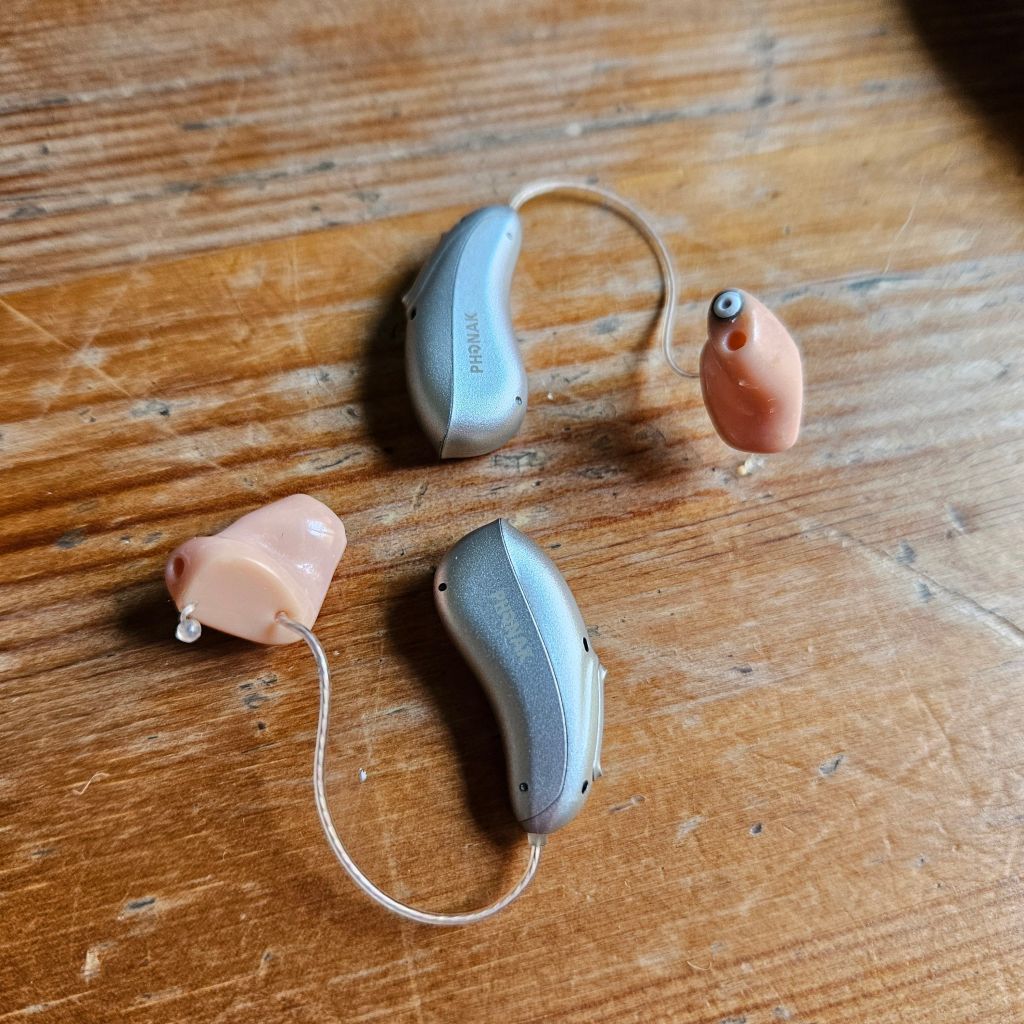
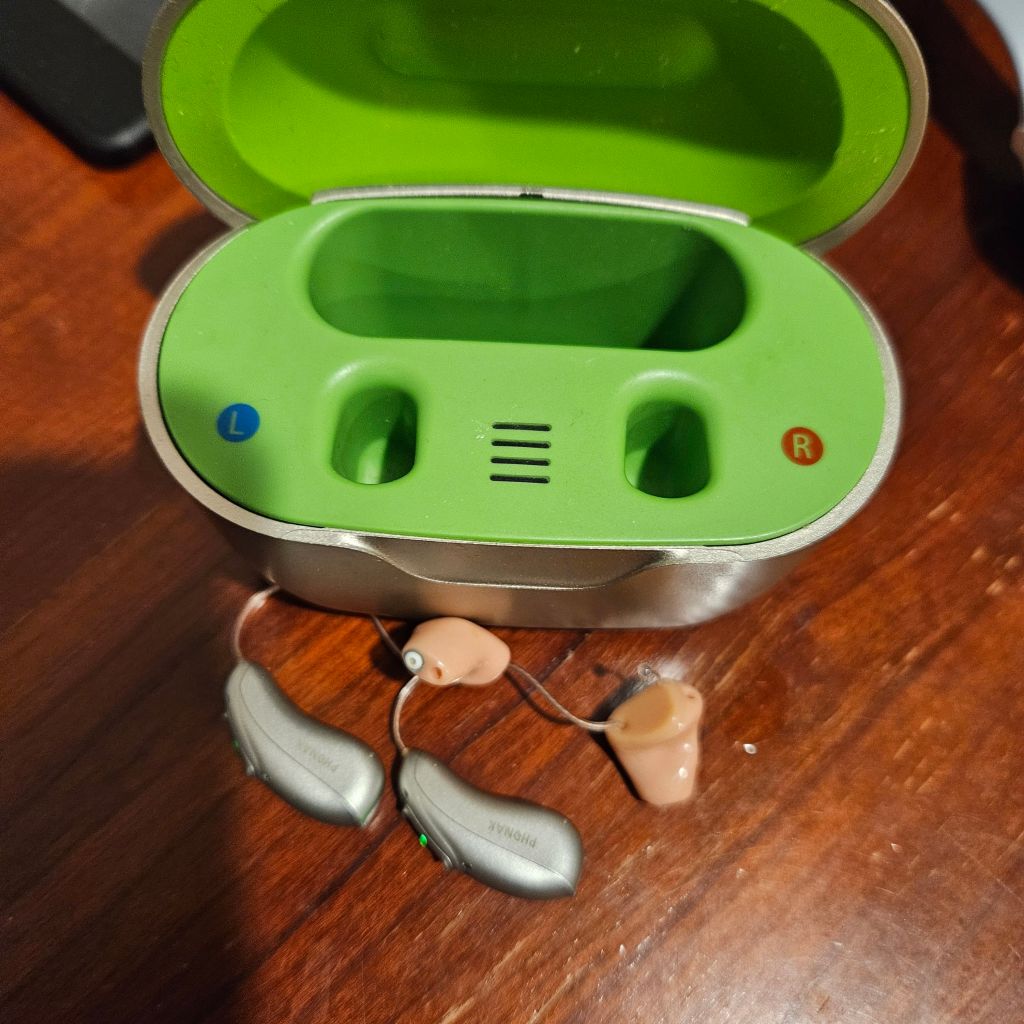
I wear hearing aids, so yelling on the phone goes straight to my ears—and it hurts. I asked her kindly to stop yelling. She didn’t. She just hung up.

I’ve been yelled at by customers before—this wasn’t new to me or my blood pressure. But I’m always perplexed when people think yelling or being rude will help them get better service.

In my experience, kindness goes a long way.

To my cardiologist’s chagrin—and my blood pressure’s detriment—I’m still here at my job. And I can’t wait for the next person to raise it.

#CustomerServiceLife #YouCantMakeThisUp #behindtheadmindesk #customerservicestories

Surveys, Feedback, and the Silence That Follows

Every year, my employer sends out an anonymous survey to gather employee feedback, but I can’t help but wonder why they even bother. It’s supposed to be a chance for employees to voice their thoughts, yet nothing ever seems to change—and I’m not sure anyone even believes it’s anonymous.

The first time I filled out the survey, I was the only one in the company with my unique position, so my feedback was easily identifiable. In the comments section, I pointed out that the survey couldn’t truly be anonymous for someone in my position. Little did they know, that was just the beginning of me becoming a “thorn” in their side.

Since then, I’ve continued to fill out the survey honestly, even though I know no one really cares about my feedback. I figured out how to make the sections for areas of improvement larger. One year, I copy-pasted my MBA thesis on leadership—full of practical advice for change—just to see if anyone would notice. It was a thesis that earned a distinction, yet still, nothing changed.

I love my job, and I genuinely like the people I work with, which is why I’m still here after many years. But I can’t help but question the purpose of these surveys. Are they just for show so the company can tick a box and say they care? Or are there companies out there that actually listen to their employees and take meaningful action?

I know this conversation has probably been had many times before, and some companies do genuinely care about their employees. But for me, I’m still not sure.

Beyond the Resume: Seeking Independence and Fulfillment

I’ve spent the last several days at home, taking care of my dog while she recovered from surgery. With all this downtime, I decided to tackle a few projects. One of those was updating my resume. I typically update it twice a year—not because I’m actively job hunting, but to ensure my information stays current and to keep up with new technology. After all, it never hurts to have an updated resume, as you never know what might come up.

But as I was updating my resume, a thought struck me—why am I doing this? What’s the point of updating my resume? Am I actively looking for a new job or a career change?

I’m in my mid-fifties, and I’ve started to think more seriously about what my future holds. The idea of working for a corporation no longer feels as appealing as it once did. So, am I looking for a new career? Not necessarily. What I’m really seeking is independence. I want financial stability, a place where my skills, knowledge, and life experience are valued and appreciated.

How do you update your resume when you’ve been in the workforce for many years, especially when you’re told it should only be one page? And with age discrimination at play, a longer resume can easily make you a target.

Did I update my resume? No, I didn’t. Instead, I decided to take a brain pause—to step back and really think about what I want for my future. It’s not about rushing into another job or career change, but about aligning my next steps with my values and goals for independence and fulfillment.

February Goals – Breaking Down My Yearly Goals

January came and went, and I discovered that breaking down my yearly goals makes them much more achievable. So, I’ve decided to break my goals down by month to make my life easier. Most of my goals will be simple, but one or two will be those annoying, yet necessary, tasks. Feel free to use some of mine, and let me know how they worked for you!

My February Goals:

  • Clean another junk drawer – I find it easier to tackle one small drawer at a time rather than deciding on a complete declutter of the house.
  • Buy some new plants for the house – Buying new plants makes me happy, even if I don’t always succeed in keeping them alive.
  • Go through all the keys I have lying around the house and on my keychain – I have keys from old cars, offices, and mailboxes, and I’m not sure where or to whom they belong.
  • Make an art project out of all the useless keys I find – This just sounds like fun! Instead of throwing them away and contributing to pollution, I’ll turn them into art—even though I’m not the best artist.
  • Update my financial goals for the year – Check for any changes to contribution limits for 2025 and adapt my weekly deposits to match. The federal government updates contribution limits every year, and it’s crucial for me to maximize my retirement contributions, especially since I’m in my late fifties.
  • Go to an art museum and see an exhibit for fun – Who knows, maybe I’ll discover something I actually enjoy! I’m not a big museum enthusiast, but getting out of my comfort zone is important.
  • Try making rice pudding – I love rice pudding but have never made it at home, so it’s time to give it a try.
  • Update my resume and LinkedIn profile – Not because I’m job hunting, but because I’ve acquired new skills, and it never hurts to have an updated resume ready. You never know when an opportunity might pop up!
  • Clean my medicine cabinet – Check for expired products and refill what’s needed.
  • Update my car’s first aid kit – I haven’t done this since my last car, so it’s about time.

Do you set monthly goals too? How do you break down your yearly goals to make them more manageable?

How to lose your employee’s faith in the workplace   with one small step.

“I did not receive my paycheck today—not because I didn’t work or fail to submit my timesheet on time, but due to poor planning from headquarters and, frankly, a lack of respect for employees.

Our company has been going through restructuring, and it’s clear that the payroll process has changed. Typically, we receive our pay via direct deposit every other week, and this has never been an issue. However, this time, there was no advance notice that the payroll process would change.

With no communication about the changes, many of us were surprised today when our pay was not deposited. Instead, we found out through a system notification that paper checks are being mailed. After checking with USPS, I know my check won’t arrive today, and with Monday being a federal holiday, I don’t expect it to arrive then either. This delay has left many of us scrambling to manage our finances, and the lack of notification has only made the situation worse.

Proper planning and communication would have helped employees prepare for these changes. A simple email informing us of the switch, or even a down payment to help bridge the gap, would have made a big difference.

This situation raises some important questions:

  • Is this poor planning on management’s part? Absolutely.
  • Is this a sign of disregard or disrespect for employees? I believe so.
  • Will this affect employee morale? Without a doubt. When employees feel uninformed and unsupported, trust in leadership erodes, and so does faith in the company’s management.

This is particularly disappointing because I genuinely enjoy working here, but now I’m questioning the direction we’re heading. I hope management takes these concerns seriously and works on improving communication and employee support moving forward.”

Taking Time Off: My Vacation Insights

Things I Learned from My Last Vacation

I took my vacation during winter break and went to Maui, where I had a lot of fun. It did take me two or three days to decompress and finally relax. I work long hours, typically over 40 hours a week, and usually work six days a week in some capacity.

But what really hit me was when I went to put my vacation days on my timesheet and discovered that, even with my week off, I still had five more weeks of vacation available to me. This wasn’t because my employer offers generous paid time off—quite the opposite. It’s because even when the office is officially closed, someone always has to be on call. Apparently, I’ve been that person for the last several years, even though I never volunteered for the role.

The funny thing is, there’s really no reason for anyone to be on call during our breaks. My job is one of those where, when we’re closed, there’s nothing to do—no urgent emails to answer or tasks to tackle. Yet, someone at headquarters decided that there always has to be an on-call person. Unfortunately for me, only a few people can fill that role.

I was asked to be the on-call person during the second week of our office break and also to take on a specific project—one that could easily be handled during our regular work weeks and didn’t require extra time from me, as I’m usually ahead on all my assignments. So when I came back from Maui, it dawned on me that I really needed this time off, and there was no reason for me to take on this extra project. I decided to continue my vacation. Even though I was technically the on-call person, I only handled the “urgent” matters (which, by the way, were nonexistent) and limited my work to what was absolutely necessary.

When everyone returned to the office, my boss asked if I had completed the project. I simply said no. This will be handled during regular work days and hours. Just like everyone else, I took my well-earned break and used my vacation days. If you’re wondering whether I was disciplined or reprimanded, I wasn’t. Sometimes, lightning strikes, and even headquarters realizes their requests are unreasonable.w

So, what did I learn?

It’s okay to say no when work intrudes on time off. I’ve learned that I need a better work-life balance—not only because my employer doesn’t appreciate or reward me for it, but also because I need it for my own sanity. It’s easy to fall into the trap of thinking, “I’m needed at work,” but that’s a bottomless pit with no real rewards. Work-life balance is a must, as are vacations and time off. They’re essential for both productivity and mental well-being.

I’m already penciling in my time off for 2025 and will make sure to follow my own advice.

An Old Dog, A New Couch, and Social Media: Learning New Tricks

They say you can’t teach an old dog new tricks. I challenge that saying.
Our dogs were always allowed on the couches—until this past week. After 23 years, we finally bought a new one. We sure needed it. The old one was ratty, my Sagey girl had dug holes in it, and my other half used duct tape to try and fix those holes.

For the past couple of years, my better half kept saying, “Once the dog dies, we’ll get a new sofa.” Well, sadly, my Sagey girl passed away very unexpectedly, and yes, I’m still crying. Yes, she was just a dog, but my heart is still filled with grief daily.

With Sage gone and the sofa looking worse for wear, it was truly time to get a new one. My very choosy partner went to his favorite store’s website and found a sofa he liked—an L-shaped, leather, greenish-blue one.

Sage is gone, but my two grand-dogs are very much alive, very lively, and they love to jump on sofas. So the question became: How do we make sure they don’t climb on the new one? Apparently, you can teach an old dog new tricks, because after a few days, Benjito the schnauzer and Cedar the Australian Shepherd got the message (mostly).

I’m not a huge fan of social media. Sure, I can spend time scrolling through reels and other people’s posts, but I’ve never been particularly invested in it. That is, until my kids challenged me to try it. I opened a TikTok account for Sagey, and to my surprise, it took off—well, not wildly, but good for a mid-century modern-aged woman.

The past year has been a bit difficult. My country is at war, my husband was laid off, and my dog died. It really sounds like a country song, doesn’t it? My brain pretty much shut down. But over the last couple of months, my mind has started to function again. Creativity is flowing, and I decided to dive into learning about social media. I’m learning a lot—watching tutorials, signing up for every class I can find on the subject, and, of course, posting. Not everything I post is great, but I’m learning and improving with every post.

Will I quit my full-time job? No. Am I making money from anything I post? Not yet, but maybe one day. Is it nice to see the “insights” area under my posts say “earned,” even if the number is zero? Absolutely. So, this old dog is learning new tricks, too.