A Six-Year Mission: Decluttering One Box at a Time

A Six-Year Mission: Decluttering One Box at a Time

We’re on a six-year mission to declutter the house—a mission that began when a broken pipe flooded and destroyed our entire first floor.

We had to box up everything salvageable and move it to the garage while the renovations were underway. Just as the construction was finally completed and we were allowed back in, COVID hit. Suddenly, four adults and a dog were working and living full-time in a house that still wasn’t organized. Computers were everywhere. The boxes? Still in the garage.

Our two-car garage quickly became a one-car-plus-boxes garage. For the past couple of  years, we stared at those boxes, inventing every excuse not to deal with them. It’s too cold. It’s too hot. I’m tired. My leg hurts. Any excuse, valid or not, was enough.

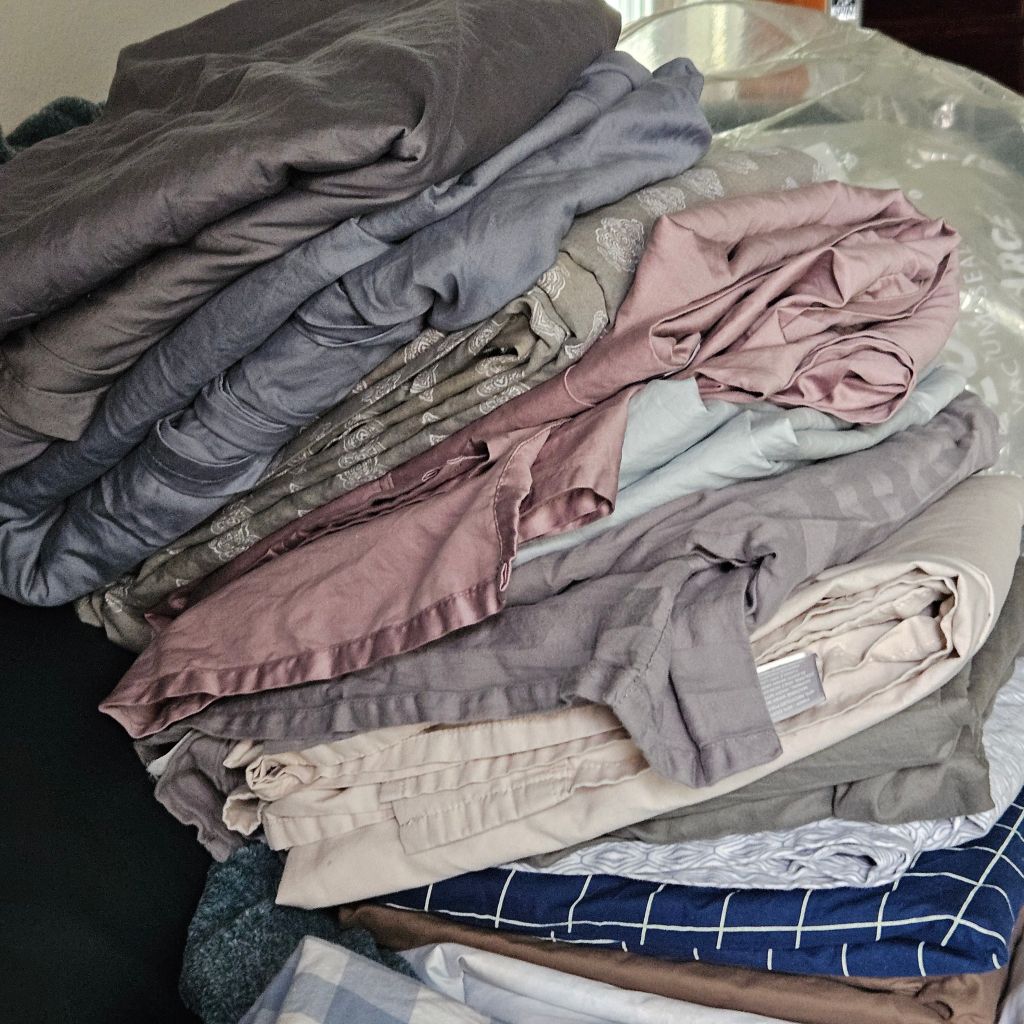
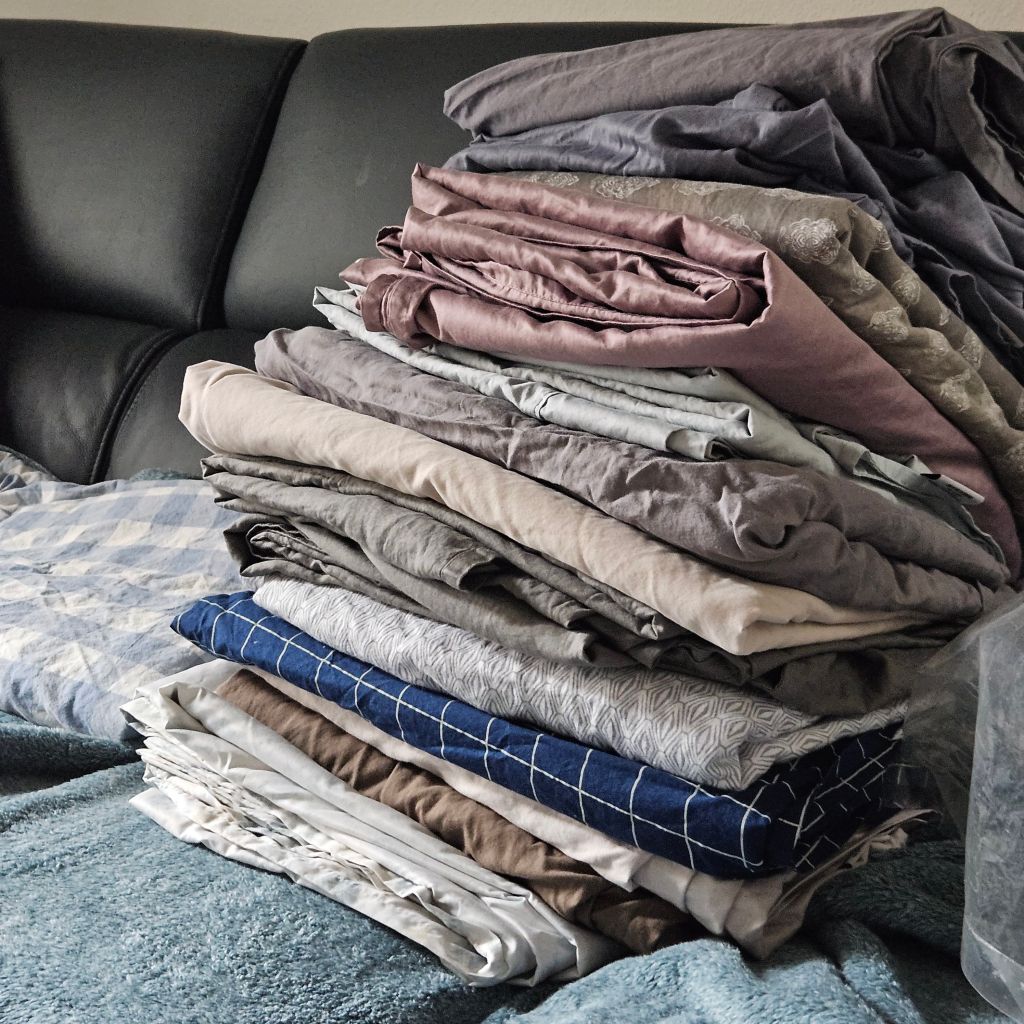
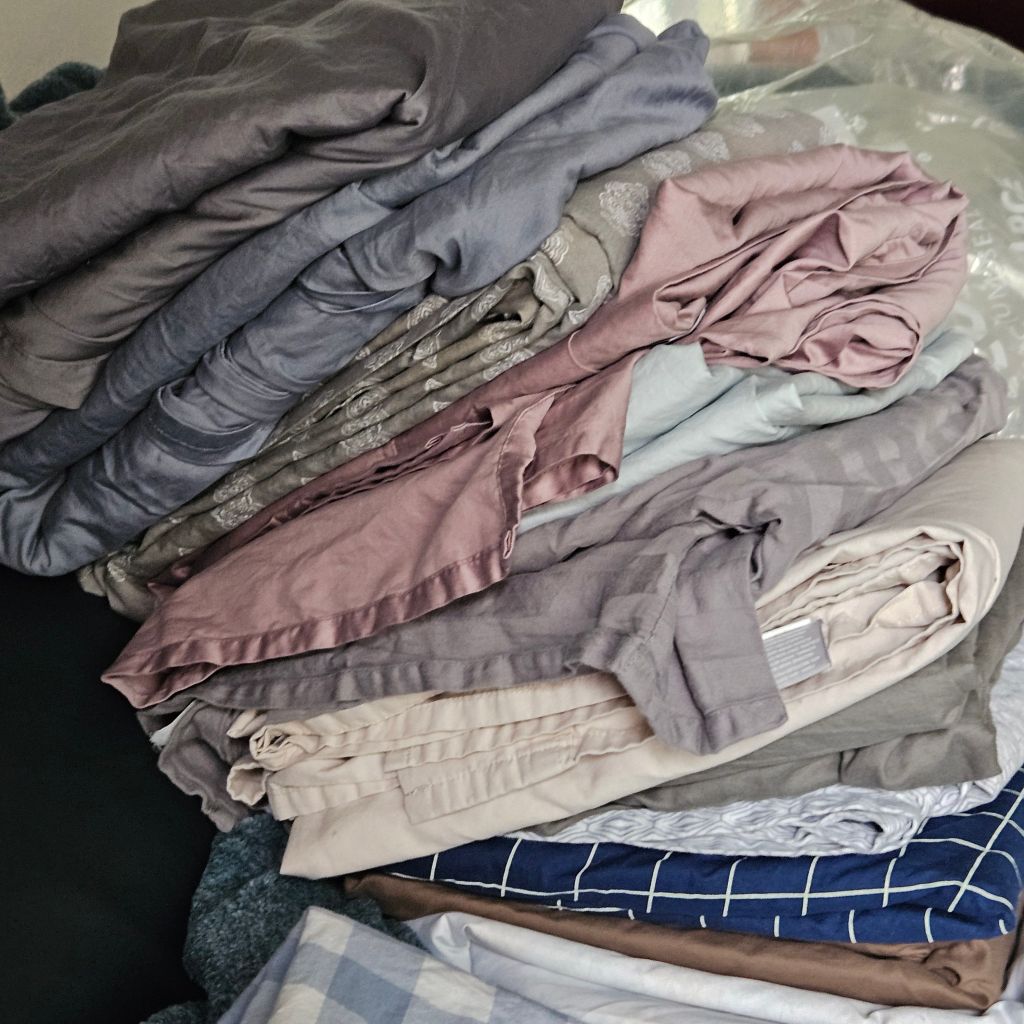
But this past year, we finally started. Every weekend, we tackle one box. This weekend’s box? Flat sheets.

I hate flat sheets. I know people use them as a barrier between themselves and the comforter, but I find them cumbersome and annoying. I donated some, but we’d kept extras in the garage “just in case”—for painting, protecting furniture, or other projects.

We pulled them all out, washed them, sorted them. Now we’re asking: what do we really need? Maybe two or three. The rest? Donate or sell.

We don’t always see progress when we take small steps. The garage isn’t clean or organized yet—but there’s one less box to tackle, and one small shelf that’s now empty and clean.

I saw a post today that said: “There’s nothing too small to celebrate.” And so, I’m celebrating one less box, and a decluttering journey that’s still moving forward.

I’m a Prepper—But Not the Doomsday Kind

I’m a Prepper—But Not the Doomsday Kind

I’m a prepper. Not the doomsday, bunker-digging kind—but the worst-case-scenario type. I always have a contingency plan, and honestly, I blame my engineer husband for that. I used to be a carefree human being. But after almost forty years together, I’ve been… optimized. Ruined, if you ask me.

They say you eventually start to look like your dog or your spouse. Mine are both tall and hairy—I am still neither. But I have adopted my husband’s practical, forward-thinking mindset, even if I haven’t grown a beard.

I love to joke that it’s all his fault, but truthfully, it’s not. It’s life. Being a mother while my husband traveled ninety percent of the time meant I had to be prepared and self-reliant. And that’s not even counting the ever-present car stash: snacks, spare clothes, and vomit bags—just in case.

To this day, my car still holds extra water, a blanket, a coat (even though I live in Southern California), and random supplies I might never use—but might need. That’s just who I am now.

Of course, it wasn’t just motherhood that turned me into a prepper. Chronic health issues played a big role. With IBS, I learned to identify clean bathrooms in any location, faster than a GPS could. With Celiac disease, I memorized every gluten-free menu within a 20-mile radius. And now, as my hearing declines, I’m prepping for a future where my job might need to adapt to my changing abilities.

I started researching careers that suit people with hearing challenges—something less dependent on constant interaction. Coding and accounting popped up frequently, but both sound painfully boring to me. Living in near silence is one thing; adding tedium on top of it feels unnecessarily cruel.

Then I fell into the rabbit hole of side hustles: everything from selling foot pics (a hard no) to flipping items on Poshmark, eBay, and Mercari, or trying affiliate marketing, blogging, or becoming an influencer.

Influencing sounded promising—until I realized I dislike makeup tutorials and find most influencer videos kind of annoying. So much for that.

But I did start a Poshmark closet—and surprisingly, I’m enjoying it. It’s fun, but not easy. Finding good deals to resell takes patience, organization, research, and planning. A lot more work than people assume.

Blogging? That’s also enjoyable, but creativity doesn’t always clock in when I do. Some weeks, my brain just refuses to show up. And without a clear niche, it’s easy to feel stuck.

Someone recently asked me why I’m exploring all these side hustles. I told them: I’m prepping. I’m prepping for the day when my hearing aids stop working well enough. I’m prepping for retirement. I’m prepping for life—whatever it throws at me.

Because that’s what I do. I’m a prepper.

And honestly? It’s not a bad thing.

Late to Class, Right on Time for Perspective

Late to Class, Right on Time for Perspective

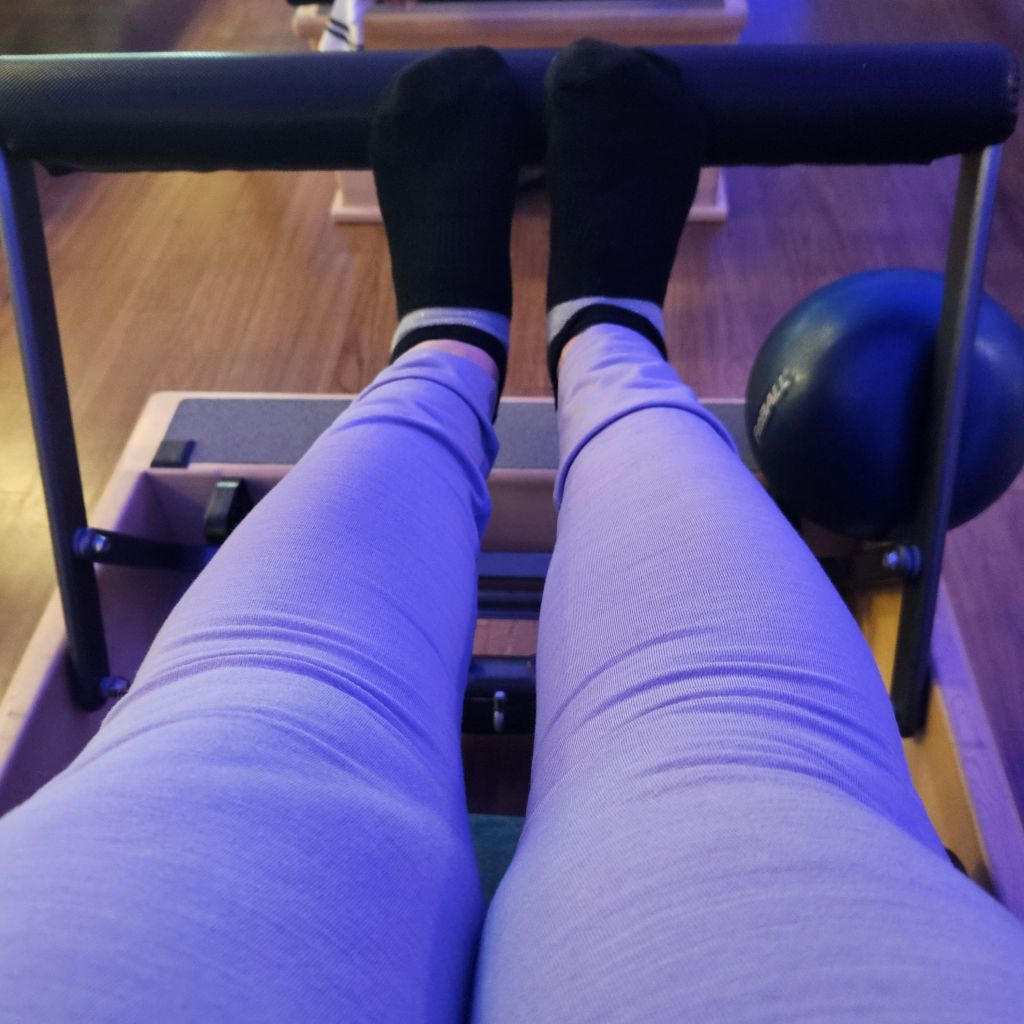
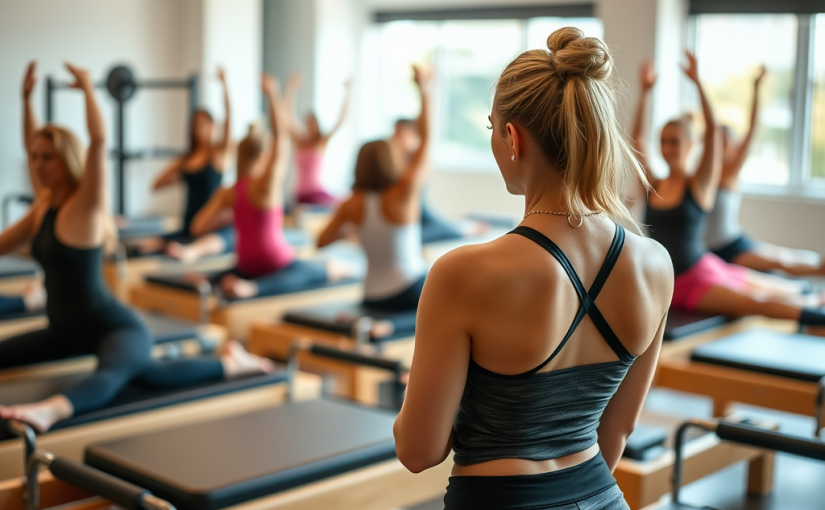
I was almost late to my Pilates class the other day. I like to get there early to grab my favorite reformer—it’s perfectly positioned under the air conditioning and to the right side of the room, which works best for my non-functioning ear. (I’m 98% deaf in my left ear, but let’s be honest—98%, 100%, it’s all the same. I hear nothing.)

But alas, I was distracted and arrived just a minute before class started. My usual spot was taken, and I ended up in the back, squeezed between two other reformers. Not ideal. But class was great regardless, and I was happy I made it.

There’s a nice mix of women in the class—some younger, some older. Some wear those perfectly coordinated Pilates-girlie sets, others show up in whatever they grabbed from their closet that morning. I usually fall into the latter camp. That day was no different.

I admire the cute outfits, but I rarely wear them. They don’t work well for my body. I was born with Spina Bifida, and it’s visible if I wear low-rise pants or crop tops. It looks like a belly button on my back—I’m used to it, but other people, not so much.

Over the years, I’ve been poked, prodded, and asked more questions than I can count. Most people are just curious and mean no harm, but sometimes the questions are too much. So, I often opt for clothes that cover it all up. It’s not just about comfort—it’s about avoiding attention, avoiding questions.

My reformer choice is also influenced by who ends up next to me. If I’m not early enough to choose my spot, I sometimes spend half the class adjusting my shirt to keep my lower back covered. That morning was no different—I kept tugging at my top between movements, trying to stay hidden.

But then, somewhere mid-class, I looked around. Both women beside me were completely focused on their own breath, their own bodies. Not looking at me. Not noticing my back. Not thinking twice.

And it hit me—maybe it’s me. Maybe I’ve been the one too self-conscious all this time. Maybe I’ve spent fifty-plus years worried about exposing something no one is actually paying attention to. I’ve avoided cute outfits, backless tops, anything that might show “too much,” thinking it would invite questions or judgment. But what if it wouldn’t? What if people are more focused on their own stuff—just like I am?

So maybe next time, I won’t worry so much about the reformer, or the waistband of my pants, or who might be glancing at my back. Maybe I’ll wear the outfit I’ve always liked but always avoided. Maybe I’ll let myself breathe a little easier, like the women on either side of me did—focused on their own journey, not mine.

Because the truth is, no one’s looking as hard as I think they are. And even if they are, maybe it’s time I stop hiding the parts of me that have carried me through life so powerfully. Spina Bifida, a late arrival, a back-row reformer—they’re all part of the story, but none of them get to define the joy I feel when I show up fully, as I am.

Maybe showing up is the cute outfit after all.

Do Size and Shape Matter? In Salads—and Marriage—Maybe They Do

Do Size and Shape Matter? In Salads—and Marriage—Maybe They Do

I love salads—real salads with vegetables in them. Not the kind often served in the United States, which usually means a pile of lettuce and two or three tiny pieces of tomato. Where I come from, some of these leafy greens are considered butcher counter decoration!

My salads are filled with tomatoes, cucumbers, radishes—all chopped into good-sized chunks so you can actually tell what you’re biting into. My husband, on the other hand, loves his lettuce, and he prefers all his vegetables cut into small, even pieces. To be honest, his salads are a display of care and engineering. Everywhere we’re invited, people ask him to make the salad!

My husband is an engineer, and he looks the part—organized, symmetrical, and precise. I’m a little different. I find things that are too orderly boring and unstimulating. So, naturally, my salads (and fruit cutting) reflect that—slightly uneven and far from perfect.

That’s why I usually let him cut the vegetables and fruit—because he gets annoyed with the way I do it! Truthfully, it makes my life easier. He’s technically in charge of prep work and dinner, and I’m more than happy to do the dishes.

When he complained this morning about the “variety of styles” I used to cut the watermelon last week, I laughed and asked if it affected the taste. He agreed it didn’t—but still had to point out that he prefers even sizes.

But, as with most things in marriage, life is a compromise. I cut veggies into big chunks, and he cuts them into small, very even ones. The taste is the same, the complaints are the same—but this is our little dance, and we enjoy it.

When Fireworks No Longer Spark Joy

When Fireworks No Longer Spark Joy

The Fourth of July has always been one of my favorite U.S. holidays. For years, I’d buy my kids those iconic Old Navy 4th of July T-shirts, and we all loved the fireworks, parades, and festive fun that came with the day.

But several years ago, my love for fireworks changed.

The last Fourth of July I could still hear was during the height of the COVID pandemic. That year, it felt like everyone in the neighborhood had their own personal fireworks stash. The noise was relentless, and the dogs were not happy.

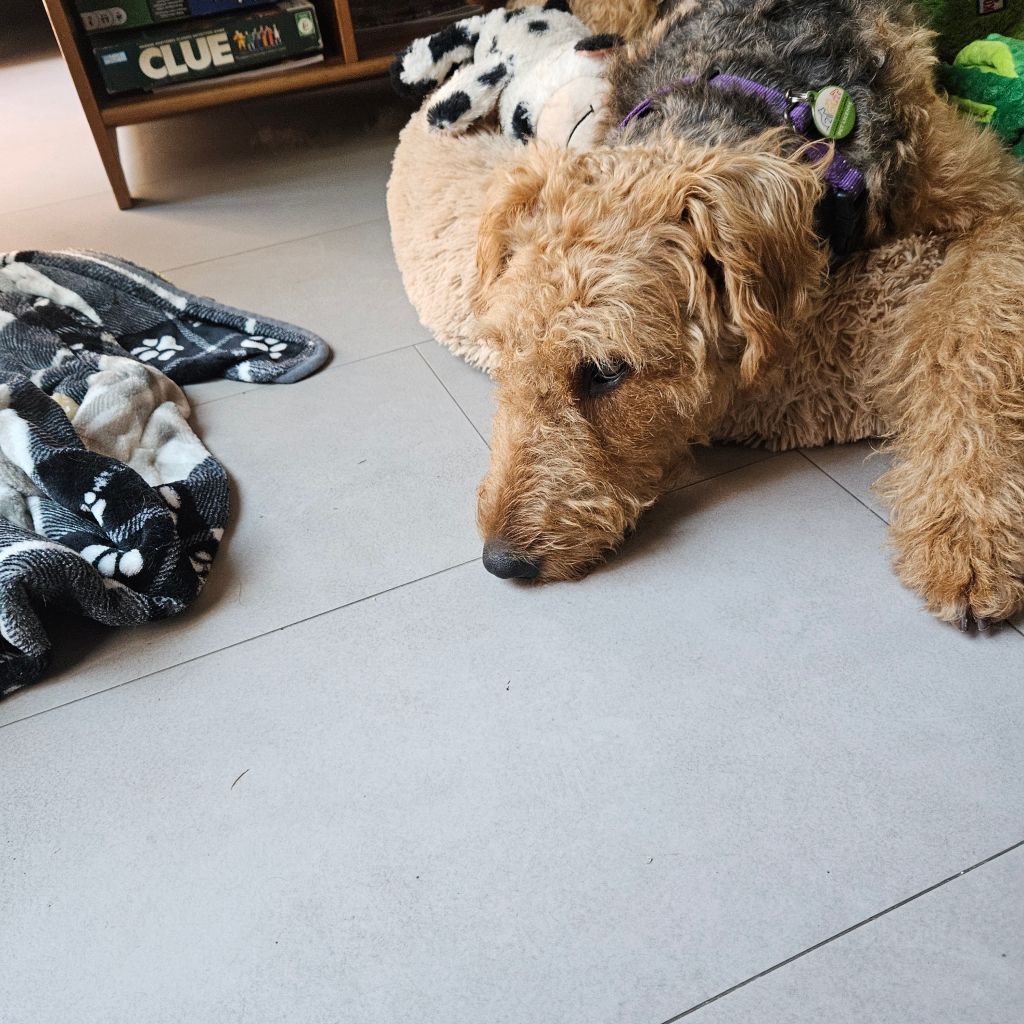
And “not happy” is an understatement—they were terrified. The fireworks didn’t stop for days. Our Airedale, Sage, went from a dog who loved long walks to one who would only go outside for the bare minimum, then rush back inside immediately.

This pattern continued for several years. As the holiday approached, so did Sage’s anxiety. What was once a cheerful, barky dog became increasingly withdrawn. Last year, just a day before the Fourth, she passed away from a heart attack. We believe the ongoing stress from the fireworks played a role.

Sage wasn’t alone—our other dogs hated them too. Every year, we’d shut all the windows, crank up the TVs and radios, turn on white noise machines—anything to help calm the pack. We even timed walks carefully to avoid dusk or random fireworks going off early.

For the past five years, someone in the family always stayed home with the dogs on the night of the Fourth. This year, that person was me. My husband and adult son were biking through Europe, and the other kids had plans. I was happy to stay home and keep the dogs company.

I did manage to attend the neighborhood parade, which was a joy. Seeing kids with their decorated bikes, full of excitement and laughter, brought back good memories.

But then night came—and it was miserable.

The fireworks didn’t stop until 1 a.m. Even without my hearing aids, I could hear them. The poor schnauzer was inconsolable, hiding in the shower or buried in the closet under my clothes. Shuki, our Airedale, wasn’t doing much better. None of us slept until silence finally arrived around 2 a.m.

As I tried to comfort the dogs, I couldn’t stop thinking about veterans and others with PTSD. How do they cope with this night? Fireworks are beautiful, yes—but they’re also loud, jarring, and triggering for many.

So I find myself wondering: should cities still sponsor fireworks displays? Is there a better way? Could we move fireworks to more remote, open areas? Or use drones and silent light shows in more densely populated neighborhoods?

I’m pondering all of this today, sleep-deprived, with two dogs still glued to my side.#FourthOfJuly, #PetSafety, #FireworksDebate, #PTSDawareness, #DogLovers.

“Stress, Guests, and Cinnamon Rolls

Some people are stress eaters. I, on the other hand, am a stress baker.
When I get really, really stressed—I bake.
Unfortunately for me, I also eat what I bake. And I only bake things I like—like cinnamon rolls and banana bread. (Yes, I baked them even before the pandemic!)

I’ve always been a baker, but when I was diagnosed with celiac disease and had to go gluten-free 20 years ago, I had to change my recipes. I had to adapt to different flours to get the same taste my brain remembered. Luckily, I’ve adjusted. Unluckily, I still eat what I bake.

This past weekend, my daughter got married. It was stressful—but manageable. The family and guests that came with it? Less manageable and much more stressful.

I always have expectations about people’s behavior—maybe because I know how I behave as a guest. And in my foolish optimism, I expect the same from others. I’m usually wrong. But we’re only responsible for our own actions—and that’s where the stress comes in.

It’s stressful enough dealing with all that, but then all the flights back to my guests’ home country got canceled. So now, it looks like I’ll be hosting people longer than I expected—while also going to work, managing expectations, entertaining guests, handling stressed dogs, and just trying to return to my regular routine.

So: stress baking.
I’m writing this while my dough is rising, and I’ll be putting my gluten-free cinnamon rolls in the oven soon. Hoping the smell of cinnamon will calm my nerves.

(Recipe: Ultimate Cinnamon Rolls from Pamela’s Products, for the curious minds.)

Leadership by Example: The True Role of a Director

At work, I wear many hats—plumber, receptionist, IT gal, operations manager, therapist, and occasionally, teacher.

My official title is Director of Administration. Unofficially, I’m the go-to woman—the one people turn to when something needs to be done, no matter what it is.

My guiding principle is simple: I go where I’m needed and do what needs to be done to keep things running smoothly. I believe in leadership by example. I’ve never considered any task beneath me—not even the messy, uncomfortable ones.

When I interview potential team members, I lay it all out—the perks and the challenges. I make it clear that while we have a janitorial service, accidents happen when you work with kids. Sometimes, those accidents involve bodily fluids. And yes, someone has to clean it up—especially if it’s in a public space.

We provide everything you need—gloves, masks, cleaning supplies—and we all take turns when needed. Including me.

This is usually the moment in the interview when people decide if they’re really a good fit.

Leading by example isn’t always the easiest path. Sometimes, delegating would be quicker. But I’ve never been the kind of leader who just gives orders from the sidelines. I expect just as much from myself as I do from the rest of my team.

For me, it’s not about choice—it’s about character.

Because at the end of the day, leadership isn’t a title. It’s showing up, getting your hands dirty, and doing what needs to be done. Hats and all.

Why Are We Racing Through Life?

This morning, I caught myself sprinting—not toward a meeting or deadline, but toward my favorite reformer at Pilates.

It wasn’t about being late. It was about being first. Someone else who likes the same reformer had just parked, and instinctively, I rushed.

Why? Because the AC is over that spot, and it’s next to a wall—my non-working ear faces it, so the silence suits me. Logically, I know the workout would be the same anywhere in the room. But emotionally? I needed to win that micro-race.

It made me think: how often do we do this?

We weave through traffic just to stop at the same red light. We rush to checkout lines. We race—not because we have to, but because we feel like we must.

Most of us aren’t race car drivers or Olympic sprinters. So why do we move through the world like we are?

As I grow older, I’m starting to question the value of being first. Maybe it’s not about where you end up in line—but about showing up at all. And getting home safely.

That’s the real win.

Curious if anyone else feels this way—have you caught yourself racing for no real reason?

#Mindfulness #PersonalDevelopment #Productivity #Leadership #WorkLifeBalance

When the Bots Win: My Frustrating Return Dispute with Poshmark

I’ve been arguing with Poshmark for the past week—yes, me, a tiny human being in a standoff with a big company over one of my sales.

Poshmark’s return policy is supposed to be clear: no returns for buyer’s remorse or fit issues—only for misrepresentation. But lately, buyers have been exploiting that exception, and Poshmark’s bots usually approve these returns without much scrutiny. Why? Because they don’t want to upset buyers. Ironically, this is upsetting sellers—the very people who supply the platform’s inventory.

Poshmark takes a 20% commission on every sale. In exchange, they offer easy shipping and claim to provide protection for both buyers and sellers.

My sold listing included plenty of photos—front, back, inside, outside—and detailed measurements from every angle, along with a solid description. Buyers can either click “Buy Now” at the listed price or make an offer to negotiate. In this case, the buyer—located in a different time zone—sent an offer while I was asleep. Impatient, they went ahead and bought it at full price.

I don’t ship immediately when someone pays full price. There’s a window for cancellations, and I like to give time for buyer’s remorse to settle in. So I shipped the next day, as I usually do.

Just two minutes after the item was marked “delivered,” the buyer opened a return case citing misrepresentation. I reached out privately and—surprise—the buyer admitted they regretted the purchase. (Yes, I took a screenshot.)

I responded to the case with all the listing photos and that screenshot. But of course, I got the typical bot reply.

Frustrated—and admittedly with some free time—I emailed customer service with a full breakdown. This time, a human responded. They agreed I was right, but said the return had already been approved and couldn’t be reversed. Essentially: “Sorry, our bad, but tough luck.”

I work in customer service myself. I know what it’s like to be on the receiving end of complaints. But I’ve never told a customer, “Yeah, we messed up, but it’s your problem now.”

Their follow-up email was vague and meaningless. I responded again, expressing my disappointment in the company.

My husband thinks I’m nuts—and maybe I am. But I don’t like being called a liar, especially not by a person or a platform I’ve supported.

I love Poshmark. I buy and sell there because it’s easy to use compared to other platforms. But their customer service? Let’s just say it should be renamed the “Customer No Service” division.

I don’t know if they’ll respond to my last email—and honestly, at this point, I don’t care. But they’ve left a bad taste in my mouth, and now I’m reevaluating this whole side hustle.

“Have you had a similar experience? Let’s talk.”

#CustomerServiceFail #poshmark #onlineseller #buyersremorse

Why I Made Wednesdays My Self-Care Day

This year, as part of my annual resolutions, I designated Wednesdays as my self-care day. On Self-Care Wednesdays, I schedule doctor appointments, handle insurance issues, and manage my FSA and HSA tasks.

Why Wednesdays? Honestly, it was a practical (and slightly petty) choice—I don’t like the Wednesday Pilates instructor. Silly, but it worked. I needed a dedicated day for health-related matters, and Wednesdays stuck.

At the beginning of the year, I listed all the medical visits I knew I’d need—dermatologist, endocrinologist, dentist—and mapped them out month by month. Then I just started calling and scheduling . This way, I eliminated excuses and avoided procrastination.

As we get older, our calendars fill up with more medical appointments. But caring for ourselves—physically and mentally—is the best gift we can give ourselves and our loved ones.

For a long time, I avoided doctors. Like my dad used to say, “They just find things you didn’t know were wrong.” It took ten years and a lot of frustration before I was finally diagnosed with Celiac disease. Back then, doctors didn’t seem helpful—just another round of meds and foods to eliminate. So I stopped going.

But now I understand the value of routine care. I’ve made peace with it. And scheduling everything on a specific day ensures I actually follow through.

Wednesdays work for me. What day could work for you? Designate a self-care day for yourself—you deserve it.

#selfcare #wellness #health #lifehacks