Fear, Manta Rays, and a Bathing Suit

A journey from fear to fun in a one-piece

Like many women my age—and honestly, women in general—I have a fear of a particular article of clothing in my closet: the bathing suit.

Last month I went on vacation to the Caribbean. A vacation that involved pools, snorkeling, diving with manta rays, and—unfortunately—a bathing suit.

I do own one or two, though I can’t remember when I bought them. Sometime before COVID, which means it’s safe to assume six or seven years ago. I even have access to a heated pool in my neighborhood and one at the gym, but I haven’t used either since my kids reached double digits.

I usually tell people I don’t swim because I don’t want to ruin my hair color. And while that’s a valid excuse, it’s not the whole truth—I could always wear a swim cap. The real reason is simple: I don’t like being in a bathing suit.

We were taught, sadly, that only skinny women—or perfectly toned women—should wear bathing suits in public. I’m five-foot-nothing, curvy, in my late fifties, and I’ve had three kids.

Confidence in my body has never been my strong suit (pun intended). But as I get closer to sixty, something has shifted. I’ve reached the point where I truly don’t care about the “silly” things anymore—how I look or what other people think.

So I went snorkeling. I swam with manta rays. I wore the bathing suit. And I enjoyed every single moment.

Did I look like a Victoria’s Secret model? No.
I looked like a happy, confident, mature woman who really doesn’t give a shit.

So wear the bathing suit. Wear the shorts.
And be happy exactly the way you are.

Leadership by Example: The True Role of a Director

At work, I wear many hats—plumber, receptionist, IT gal, operations manager, therapist, and occasionally, teacher.

My official title is Director of Administration. Unofficially, I’m the go-to woman—the one people turn to when something needs to be done, no matter what it is.

My guiding principle is simple: I go where I’m needed and do what needs to be done to keep things running smoothly. I believe in leadership by example. I’ve never considered any task beneath me—not even the messy, uncomfortable ones.

When I interview potential team members, I lay it all out—the perks and the challenges. I make it clear that while we have a janitorial service, accidents happen when you work with kids. Sometimes, those accidents involve bodily fluids. And yes, someone has to clean it up—especially if it’s in a public space.

We provide everything you need—gloves, masks, cleaning supplies—and we all take turns when needed. Including me.

This is usually the moment in the interview when people decide if they’re really a good fit.

Leading by example isn’t always the easiest path. Sometimes, delegating would be quicker. But I’ve never been the kind of leader who just gives orders from the sidelines. I expect just as much from myself as I do from the rest of my team.

For me, it’s not about choice—it’s about character.

Because at the end of the day, leadership isn’t a title. It’s showing up, getting your hands dirty, and doing what needs to be done. Hats and all.

Why I Finally Started Taking Time Off (And You Should Too)

I took a day off today—not for any special reason, but simply because I maxed out my vacation hours and am no longer accumulating any more. Since that’s the case, I’ve started taking a day off every other week, turning my weekends into three-day breaks.

I have too many unused vacation days—not because I didn’t have plans, but because I was never allowed to take them. There was always something more urgent that needed to be done. For a long time, I was semi-okay with this. And then, one day, I wasn’t anymore.

I’m not sure if it’s related to my age, or the fact that I’m finally at a point in my life where I’m financially secure enough to work because I want to—not because I have to. Maybe it’s just that I’ve realized I need to take care of myself first.

There should be no reason for anyone to max out their vacation days. We should take time off.

Time off energizes us. It gives us time with our families, offers us mental space, and helps nourish our souls.

Some companies pay you for unused vacation days. Mine doesn’t. But honestly, I don’t want the payout—I want the time.

Today, I cleaned out one of my junk drawers, took a nap, and finally watched a TV series I’ve been meaning to catch up on. And I had time to pause and think about the future and what I really want.

Do I want to keep working for a company that doesn’t let me take time off? One that doesn’t seem to care about burnout or mental well-being?

In the middle of my day off, my boss texted me asking where I was. I reminded her I was off—we had talked about it. She replied, “You didn’t, and it’s not on my calendar.” But it was on her calendar. It was also on the calendars of the people covering for me. In fact, the whole office knew I was taking the day off.

At the end of the day, we are all replaceable. It wouldn’t take long for my company to post a job ad and find someone new. But the time I lose—I don’t get that back.

I’ve already planned out a few more days off over the next three months. Maybe on one of those days, I’ll even update my résumé—or apply somewhere that does value employees taking time for themselves.

#Work-life balance  #Burnout #Time off #Mental health at work
#Employee wellness #Career reflection

Guaranteed to Raise Your Blood Pressure—Just Add Customer Service

My cardiologist told me that I need to lower my blood pressure.
I would love to do that—sadly, there’s no magic button or app on my phone that can make it happen.

I work in customer service, and let me tell you: working in customer service is practically a guarantee that your blood pressure will be high. It might as well come with a sticker that says “100% Guaranteed.”

Customer-facing jobs have never been easy or appreciated much. You need a strong personality to last in them. Apparently, I have one—I’ve been in this industry for over thirty years.

This week, our phones were out for a day due to a VOIP outage. Honestly, it was kind of great for a few hours… until they started working again. Then the ringing didn’t stop.

Technically, not a problem. But the first call I was lucky enough to answer?

No greeting. No polite chit chat. I was immediately yelled at.

I asked the customer to explain the issue, and she just kept yelling. I asked again, politely, but she continued, yelling about a conversation she’d had with someone else in the office—five days ago.

I tried to stop her to ask her name (which she never gave me, too busy yelling), and I explained I couldn’t continue a conversation I wasn’t part of. That only made her yell louder.

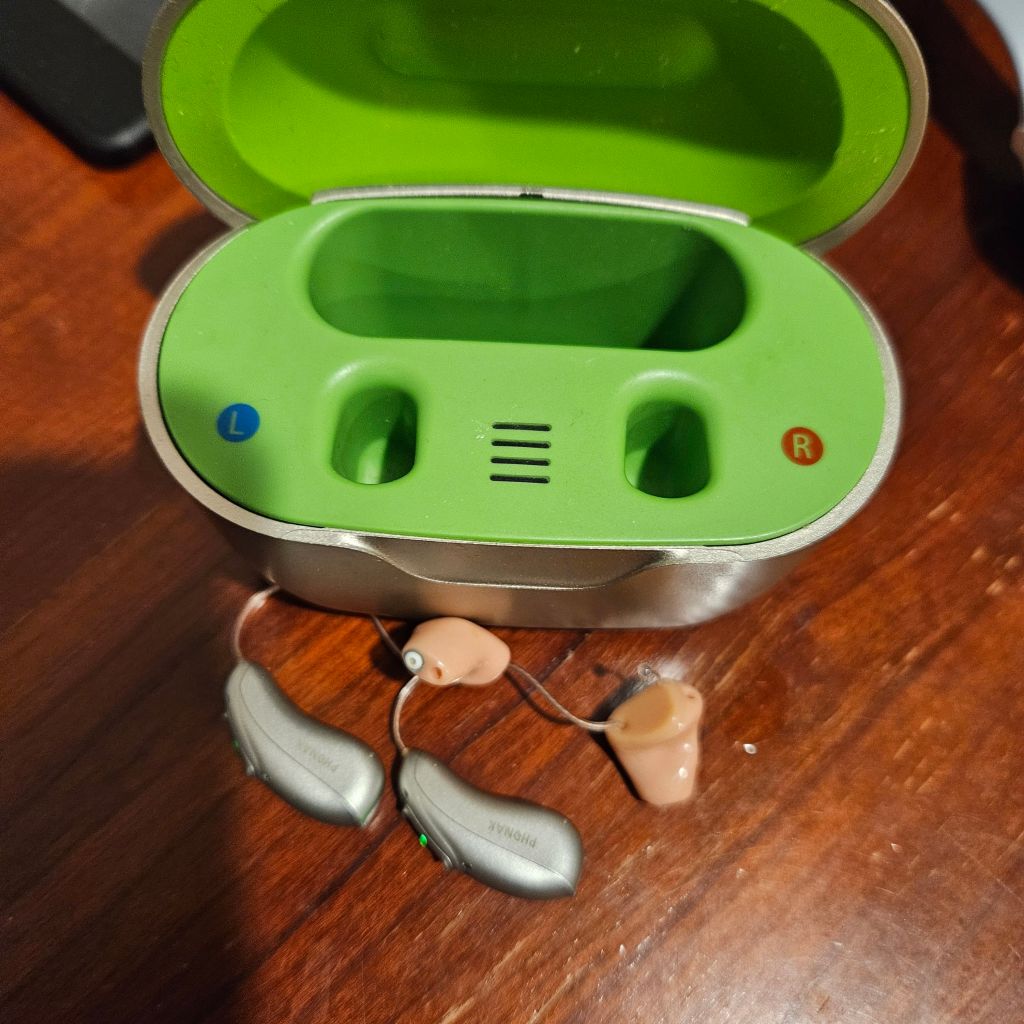
I wear hearing aids, so yelling on the phone goes straight to my ears—and it hurts. I asked her kindly to stop yelling. She didn’t. She just hung up.

I’ve been yelled at by customers before—this wasn’t new to me or my blood pressure. But I’m always perplexed when people think yelling or being rude will help them get better service.

In my experience, kindness goes a long way.

To my cardiologist’s chagrin—and my blood pressure’s detriment—I’m still here at my job. And I can’t wait for the next person to raise it.

#CustomerServiceLife #YouCantMakeThisUp #behindtheadmindesk #customerservicestories

Surveys, Feedback, and the Silence That Follows

Every year, my employer sends out an anonymous survey to gather employee feedback, but I can’t help but wonder why they even bother. It’s supposed to be a chance for employees to voice their thoughts, yet nothing ever seems to change—and I’m not sure anyone even believes it’s anonymous.

The first time I filled out the survey, I was the only one in the company with my unique position, so my feedback was easily identifiable. In the comments section, I pointed out that the survey couldn’t truly be anonymous for someone in my position. Little did they know, that was just the beginning of me becoming a “thorn” in their side.

Since then, I’ve continued to fill out the survey honestly, even though I know no one really cares about my feedback. I figured out how to make the sections for areas of improvement larger. One year, I copy-pasted my MBA thesis on leadership—full of practical advice for change—just to see if anyone would notice. It was a thesis that earned a distinction, yet still, nothing changed.

I love my job, and I genuinely like the people I work with, which is why I’m still here after many years. But I can’t help but question the purpose of these surveys. Are they just for show so the company can tick a box and say they care? Or are there companies out there that actually listen to their employees and take meaningful action?

I know this conversation has probably been had many times before, and some companies do genuinely care about their employees. But for me, I’m still not sure.

Beyond the Resume: Seeking Independence and Fulfillment

I’ve spent the last several days at home, taking care of my dog while she recovered from surgery. With all this downtime, I decided to tackle a few projects. One of those was updating my resume. I typically update it twice a year—not because I’m actively job hunting, but to ensure my information stays current and to keep up with new technology. After all, it never hurts to have an updated resume, as you never know what might come up.

But as I was updating my resume, a thought struck me—why am I doing this? What’s the point of updating my resume? Am I actively looking for a new job or a career change?

I’m in my mid-fifties, and I’ve started to think more seriously about what my future holds. The idea of working for a corporation no longer feels as appealing as it once did. So, am I looking for a new career? Not necessarily. What I’m really seeking is independence. I want financial stability, a place where my skills, knowledge, and life experience are valued and appreciated.

How do you update your resume when you’ve been in the workforce for many years, especially when you’re told it should only be one page? And with age discrimination at play, a longer resume can easily make you a target.

Did I update my resume? No, I didn’t. Instead, I decided to take a brain pause—to step back and really think about what I want for my future. It’s not about rushing into another job or career change, but about aligning my next steps with my values and goals for independence and fulfillment.

How to lose your employee’s faith in the workplace   with one small step.

“I did not receive my paycheck today—not because I didn’t work or fail to submit my timesheet on time, but due to poor planning from headquarters and, frankly, a lack of respect for employees.

Our company has been going through restructuring, and it’s clear that the payroll process has changed. Typically, we receive our pay via direct deposit every other week, and this has never been an issue. However, this time, there was no advance notice that the payroll process would change.

With no communication about the changes, many of us were surprised today when our pay was not deposited. Instead, we found out through a system notification that paper checks are being mailed. After checking with USPS, I know my check won’t arrive today, and with Monday being a federal holiday, I don’t expect it to arrive then either. This delay has left many of us scrambling to manage our finances, and the lack of notification has only made the situation worse.

Proper planning and communication would have helped employees prepare for these changes. A simple email informing us of the switch, or even a down payment to help bridge the gap, would have made a big difference.

This situation raises some important questions:

  • Is this poor planning on management’s part? Absolutely.
  • Is this a sign of disregard or disrespect for employees? I believe so.
  • Will this affect employee morale? Without a doubt. When employees feel uninformed and unsupported, trust in leadership erodes, and so does faith in the company’s management.

This is particularly disappointing because I genuinely enjoy working here, but now I’m questioning the direction we’re heading. I hope management takes these concerns seriously and works on improving communication and employee support moving forward.”

An Old Dog, A New Couch, and Social Media: Learning New Tricks

They say you can’t teach an old dog new tricks. I challenge that saying.
Our dogs were always allowed on the couches—until this past week. After 23 years, we finally bought a new one. We sure needed it. The old one was ratty, my Sagey girl had dug holes in it, and my other half used duct tape to try and fix those holes.

For the past couple of years, my better half kept saying, “Once the dog dies, we’ll get a new sofa.” Well, sadly, my Sagey girl passed away very unexpectedly, and yes, I’m still crying. Yes, she was just a dog, but my heart is still filled with grief daily.

With Sage gone and the sofa looking worse for wear, it was truly time to get a new one. My very choosy partner went to his favorite store’s website and found a sofa he liked—an L-shaped, leather, greenish-blue one.

Sage is gone, but my two grand-dogs are very much alive, very lively, and they love to jump on sofas. So the question became: How do we make sure they don’t climb on the new one? Apparently, you can teach an old dog new tricks, because after a few days, Benjito the schnauzer and Cedar the Australian Shepherd got the message (mostly).

I’m not a huge fan of social media. Sure, I can spend time scrolling through reels and other people’s posts, but I’ve never been particularly invested in it. That is, until my kids challenged me to try it. I opened a TikTok account for Sagey, and to my surprise, it took off—well, not wildly, but good for a mid-century modern-aged woman.

The past year has been a bit difficult. My country is at war, my husband was laid off, and my dog died. It really sounds like a country song, doesn’t it? My brain pretty much shut down. But over the last couple of months, my mind has started to function again. Creativity is flowing, and I decided to dive into learning about social media. I’m learning a lot—watching tutorials, signing up for every class I can find on the subject, and, of course, posting. Not everything I post is great, but I’m learning and improving with every post.

Will I quit my full-time job? No. Am I making money from anything I post? Not yet, but maybe one day. Is it nice to see the “insights” area under my posts say “earned,” even if the number is zero? Absolutely. So, this old dog is learning new tricks, too.

When Employees Feel Unheard

There is nothing worse than feeling unheard at your workplace. It makes you feel invisible, like just another cog in the machine. Each year, you receive an anonymous survey where you are supposed to express your concerns in hopes of being heard. Yet, year after year, nothing changes.

We all experience this feeling, whether we work in a large corporation or a small family-run business. We have good ideas that could benefit the company, yet they often go ignored. Worse still, when we alert management about misbehavior or processes that harm employees and create unnecessary work, we are dismissed or told we are wrong.

When it’s just you, it’s easy to question your own perceptions. However, when multiple employees share similar feelings, it becomes clear that there may be validity in those concerns. Granted, employers are not obligated to heed employees’ suggestions, even when they are valid. Both big corporations and small family-owned businesses typically owe employees little more than a salary—at least, that’s how many of us feel.

Feeling unheard leads to feelings of unappreciation, which do not simply vanish. Instead, they foster resentment and unhappiness with our jobs. We begin to question our motivations for working, prompting us to dust off that old resume and update it. On a particularly bad day, we might even tweak our LinkedIn profiles and browse job boards. When just one employee feels this way, the company might not notice. But when multiple employees feel unheard and unhappy, the company faces a significant problem.

In a workplace suffering from corporate deafness, can anything be done? Probably. The real question is whether anyone is willing to listen and act on employee feedback. One part of the solution lies in training: equipping managers to be effective leaders who genuinely pay attention to their employees. This is fixable if there is the will to make it happen.

Another challenge arises when management is indifferent—whether because they believe the current economic climate means no one will leave, or because a manager feels untouchable as part of the family business. Some companies simply do not care, assuming they can always hire someone new. While it’s true that we are all replaceable, this mindset overlooks the costs involved. Training new employees takes time and money, and high turnover leads to inefficiency and inconsistency in work. Ultimately, management should care.

Can you force anyone to listen or to care? No. However, when undervalued employees reach their breaking point, they may simply choose to leave, taking their knowledge and great ideas with them.

Barcelona the first 24 hours

Barcelona is a beautiful city, fun, vibrant and full of tourists. I really like Barcelona, it is very celiac friendly and most places have great signs about allergens and lots of gluten free options.

As opposed to Japan, gluten free options are everywhere from fast food to bakeries and restaurants. And the food is great.

Arriving in Barcelona on the other hand was not so great, our flight from Chicago was delayed by an hour and a half and the United Airlines staff at the gate were extremely rude, to the people standing in line and on the announcements about being late. After we finally took off, meals were served, I don’t expect much from airline food, but on this flight there was nothing even to expect. Plain and simple – no gluten free meal at all, nothing whatsoever in what was served. Luckily, I travel with food as I have no expectations. But for any other celiac, flying for 9 hours hungry would have been a problem, sometimes we can buy something to eat at the airport, unfortunately all food places close around 8pm, most of the international flights around us left  later and with our delayed flight there was no where to get food for anyone, not just those with food allergies.

Customs in Barcelona was not fun either, only 5 counters were open and it took almost an hour and a half to go through a very long line. The only good thing was that by the time we were done with customs, our suitcases were already waiting for us. We booked a taxi ahead of time and when we saw our delay leaving, we notified the company to let them know. Our driver was a little impatient and kept texting us that he needed to leave. I replied back with updates about our customs situation, and really did not like the constant texting, especially when he knew that our flight was delayed. Leaving the airport with him was like a scene from the fast and the furious, he drove so fast that it was scary and this is for me, who as my husband claims has a lead leg.

Barcelona is working on the streets and updating pavements, everywhere you go there is some construction going on, traffic is jammed and very slow.

Our hotel was in the Gothic center, Hotel Colonial, and I must say it’s location is excellent. Walking distance to everywhere. Even breakfast for a gluten free non pork eater was excellent, with fresh coffee and vegetables. The only issue my family members had with the hotel was the busy street, even at night you can hear everything from outside. I must say that being hard of hearing was a great benefit. We booked the hotel directly and it was cheaper than all the booking sites and their customer service was excellent. Staff was very helpful and eager to help. Rooms are clean and big, towels are human sized and not the tiny ones I am used to in the USA. The hotel provided us with free water bottles on the first day and had fruit in the lobby. Rooms have a mini fridge and there is a small grocery store on every corner plus a coffee shop everywhere.

We booked a tour for Park Gruell ahead of time and also booked the Hop on/off bus ahead of time. I recommend reserving everything ahead, the park was already crowded for our tour at 10.30 and from speaking to the tour guide it gets even busier  later in the day. Despite still being early in the tourist season even the hop on/off bus was full and we had to wait for a couple of buses until our party of 9 could travel together. 

Barcelona is a great city for walking and I do recommend good walking shoes.