The Sounds We Forget to Hear

The Sounds We Forget to Hear

Hearing is something most of us take for granted. We rarely pause to notice the sounds that surround us—the rustle of leaves, the hum of traffic, the laughter of children. Instead, we walk through life plugged into headphones, filling every moment with music, podcasts, or phone calls. We wear them when we walk, talk, commute, and definitely when we exercise.

This week, my youngest made crème brûlée. She’s been perfecting her recipes lately and this time offered dairy-free, vegan, and lactose-free options. In our household, that’s not just a nice gesture—it’s a necessity. We are a home full of celiacs, lactose-free lifestyles, and IBS sufferers. My children, poor things, didn’t need a genetic test to prove maternity—they inherited all my “fun” genes: the celiac gene, the IBS gene, and definitely the lactose intolerance gene.

But here’s the moment that gave me pause: as she torched the sugar on top of the crème brûlée, I heard it. The delicate, satisfying crackle of caramelizing sugar. That beautiful, subtle sound was only possible for me to enjoy because I had my hearing aids in. Without them, I’d have missed it entirely. That tiny moment of joy made me think about how much we miss when we don’t stop and really listen.

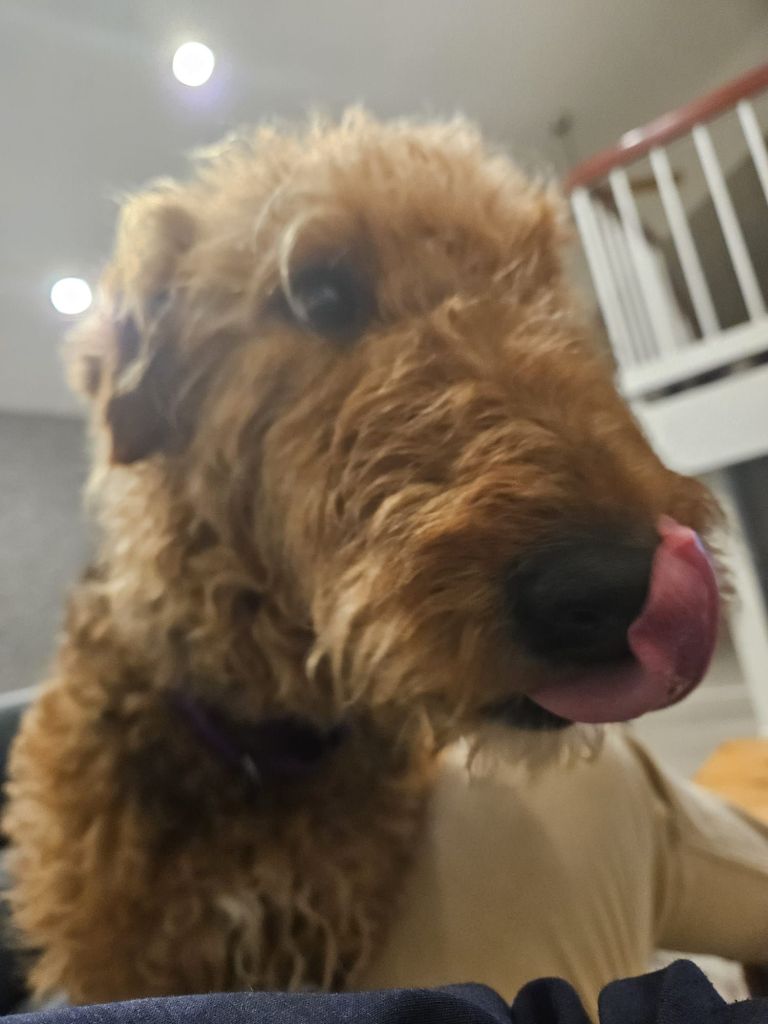
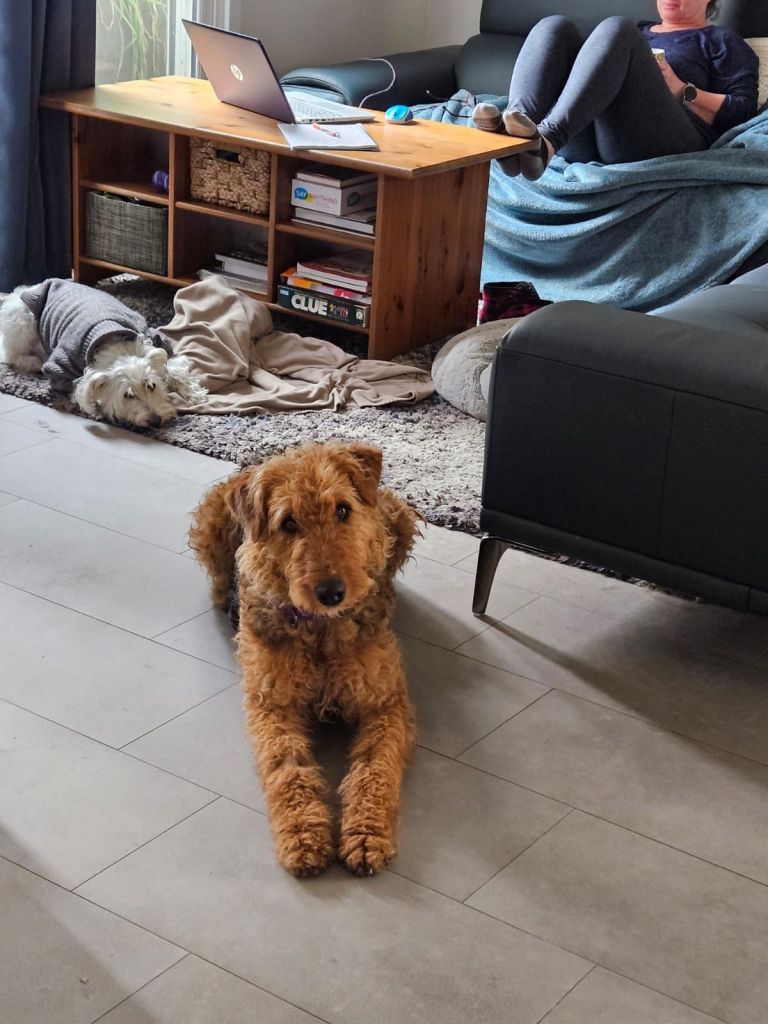
Take Charlie, our neighborhood squirrel. Charlie is something of a local character—and a sworn enemy of our dogs. (They’re terriers. It’s instinct.) Charlie, bold as ever, hisses at them from his perch on the tree. Every time he does it and I actually hear it, I can’t help but laugh. It’s such a strange, small sound—one I never noticed before hearing aids. But now I hear it, and every time I do, I’m delighted.

When I was younger, my mother used to warn me: “Don’t listen to music so loud—you’ll ruin your hearing!” I wish that was the reason I have hearing loss. But for me, it’s just part of the hand I was dealt.

I remember the day I got my first hearing aids. My audiologist looked at me and said, “Just a heads-up—the world is loud.” She wasn’t wrong. It is loud. But it’s also incredible. Hearing the world—even when it’s loud—is a gift.

So if you can hear the birds in the morning, the hiss of a squirrel, or the crackle of sugar on a homemade dessert—pause for a moment. Take your headphones off. Listen. The world has so much to say, and it’s worth hearing.

When Fireworks No Longer Spark Joy

When Fireworks No Longer Spark Joy

The Fourth of July has always been one of my favorite U.S. holidays. For years, I’d buy my kids those iconic Old Navy 4th of July T-shirts, and we all loved the fireworks, parades, and festive fun that came with the day.

But several years ago, my love for fireworks changed.

The last Fourth of July I could still hear was during the height of the COVID pandemic. That year, it felt like everyone in the neighborhood had their own personal fireworks stash. The noise was relentless, and the dogs were not happy.

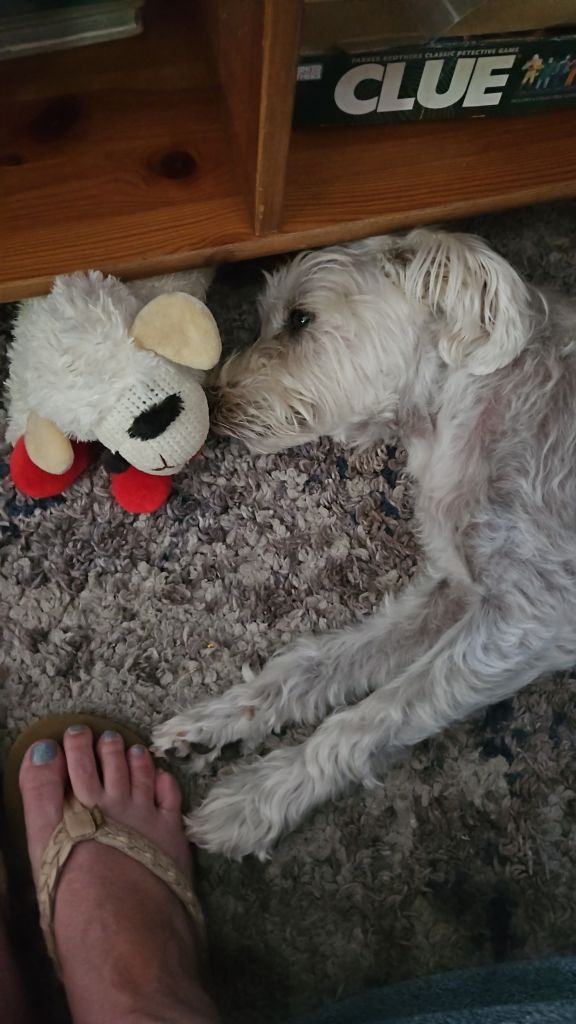
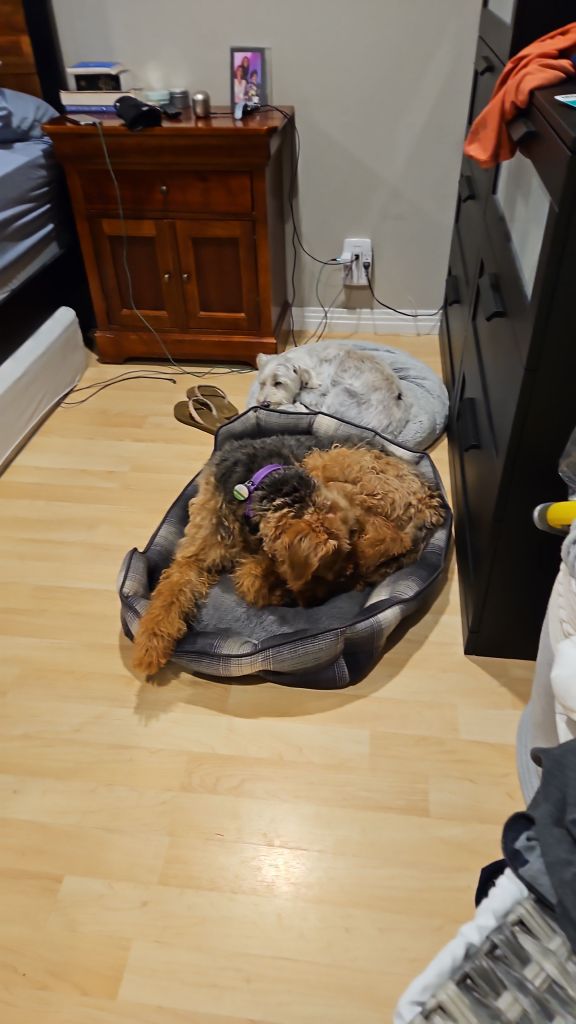
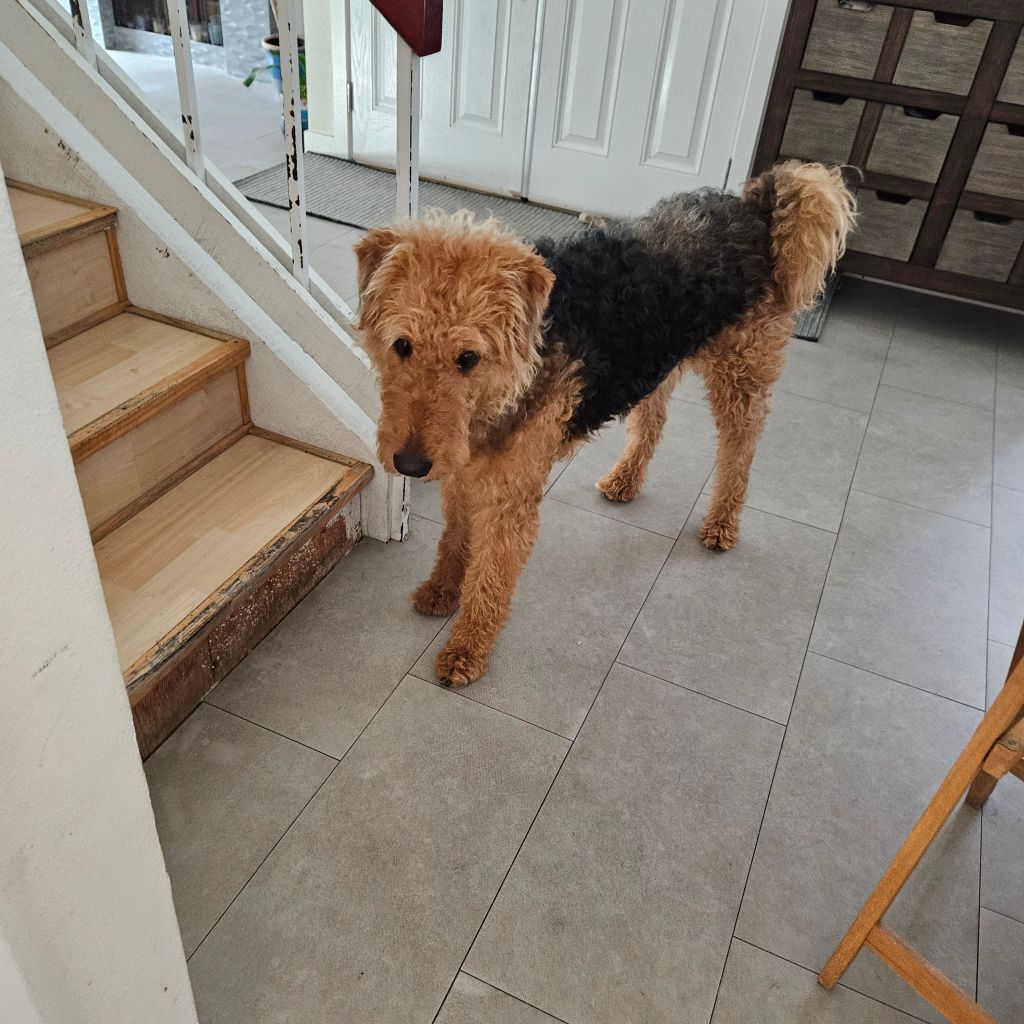
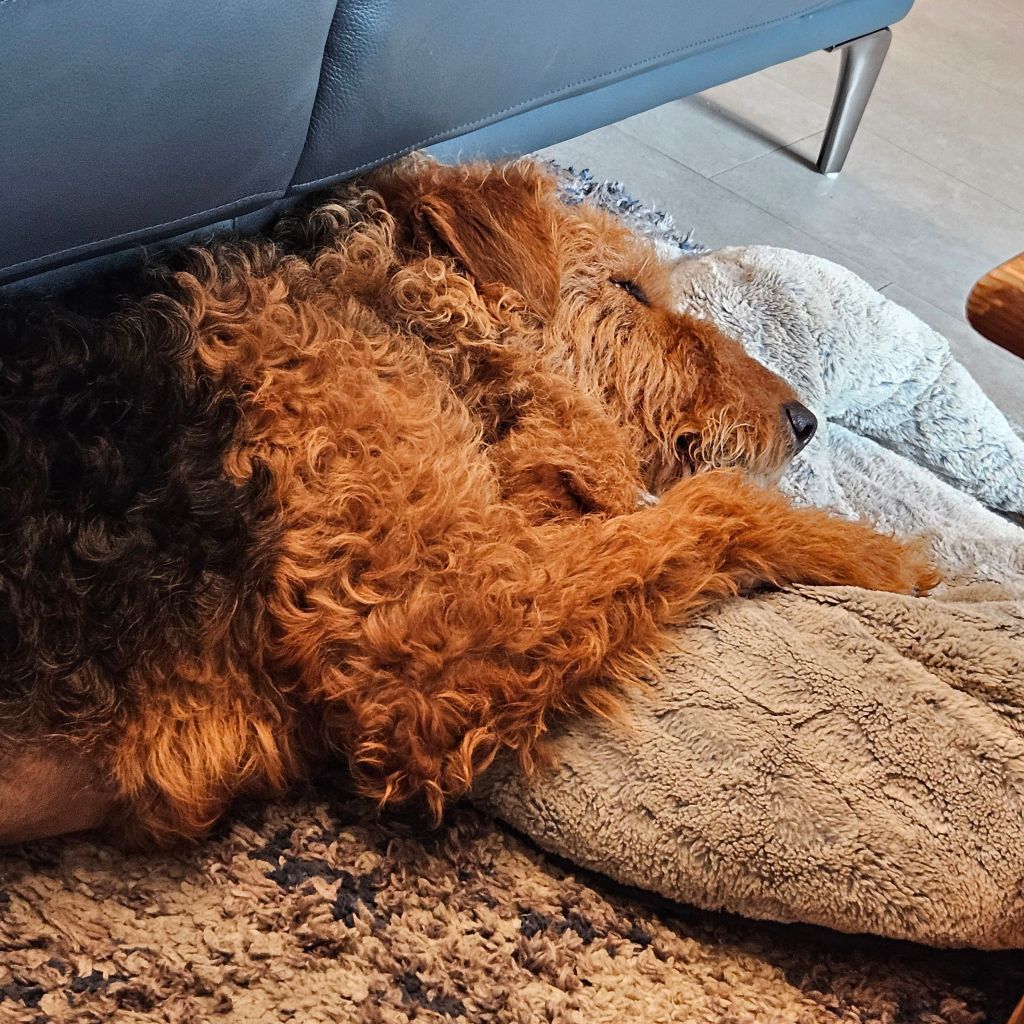
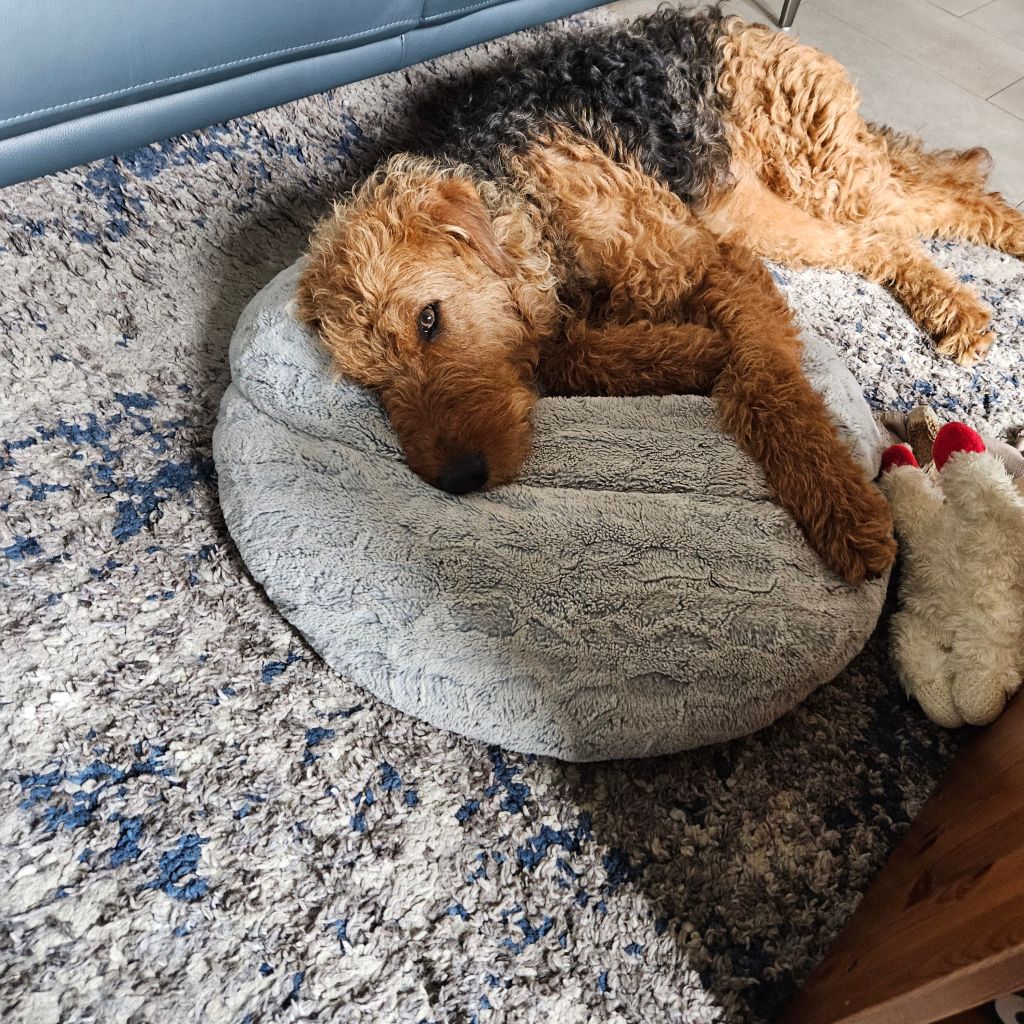
And “not happy” is an understatement—they were terrified. The fireworks didn’t stop for days. Our Airedale, Sage, went from a dog who loved long walks to one who would only go outside for the bare minimum, then rush back inside immediately.

This pattern continued for several years. As the holiday approached, so did Sage’s anxiety. What was once a cheerful, barky dog became increasingly withdrawn. Last year, just a day before the Fourth, she passed away from a heart attack. We believe the ongoing stress from the fireworks played a role.

Sage wasn’t alone—our other dogs hated them too. Every year, we’d shut all the windows, crank up the TVs and radios, turn on white noise machines—anything to help calm the pack. We even timed walks carefully to avoid dusk or random fireworks going off early.

For the past five years, someone in the family always stayed home with the dogs on the night of the Fourth. This year, that person was me. My husband and adult son were biking through Europe, and the other kids had plans. I was happy to stay home and keep the dogs company.

I did manage to attend the neighborhood parade, which was a joy. Seeing kids with their decorated bikes, full of excitement and laughter, brought back good memories.

But then night came—and it was miserable.

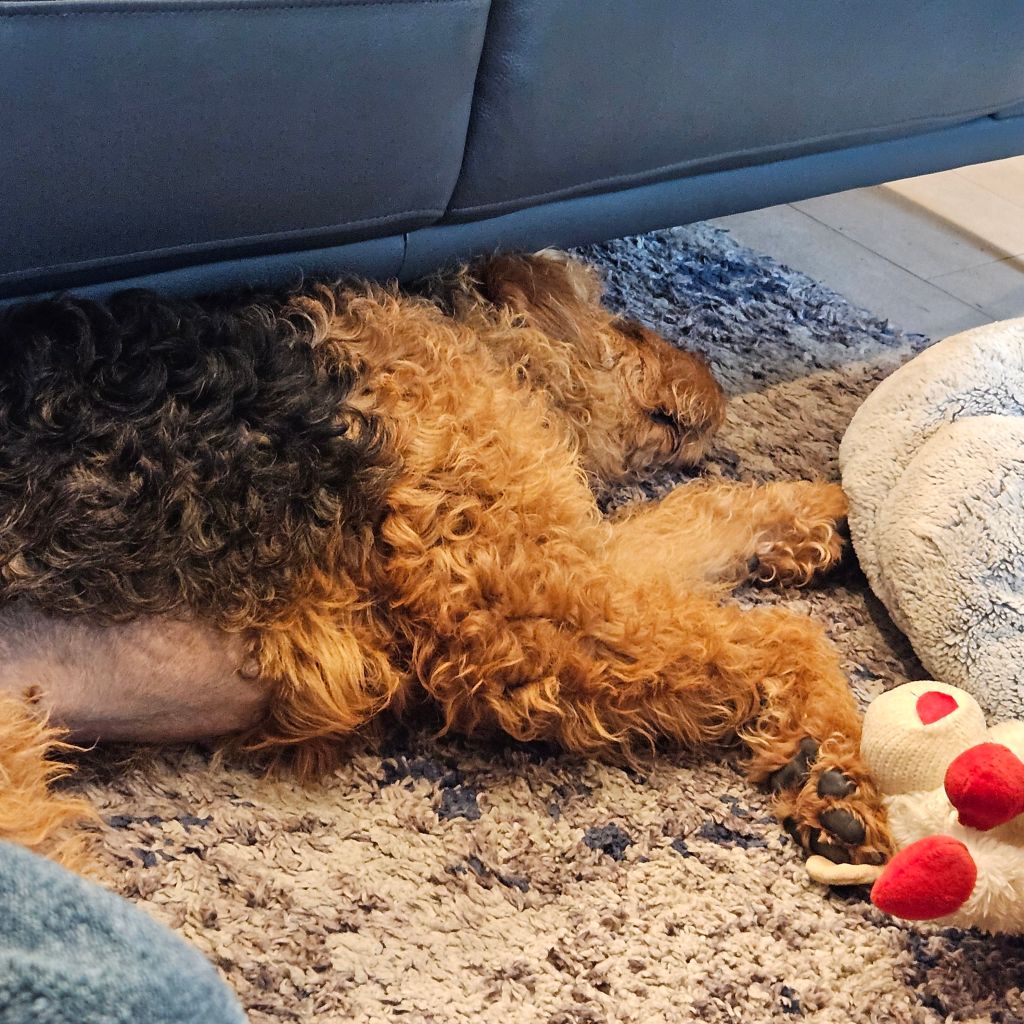
The fireworks didn’t stop until 1 a.m. Even without my hearing aids, I could hear them. The poor schnauzer was inconsolable, hiding in the shower or buried in the closet under my clothes. Shuki, our Airedale, wasn’t doing much better. None of us slept until silence finally arrived around 2 a.m.

As I tried to comfort the dogs, I couldn’t stop thinking about veterans and others with PTSD. How do they cope with this night? Fireworks are beautiful, yes—but they’re also loud, jarring, and triggering for many.

So I find myself wondering: should cities still sponsor fireworks displays? Is there a better way? Could we move fireworks to more remote, open areas? Or use drones and silent light shows in more densely populated neighborhoods?

I’m pondering all of this today, sleep-deprived, with two dogs still glued to my side.#FourthOfJuly, #PetSafety, #FireworksDebate, #PTSDawareness, #DogLovers.

Broken Hearing Aid? Worse—A Broken Ear

The Only Thing Scarier Than a Broken Hearing Aid

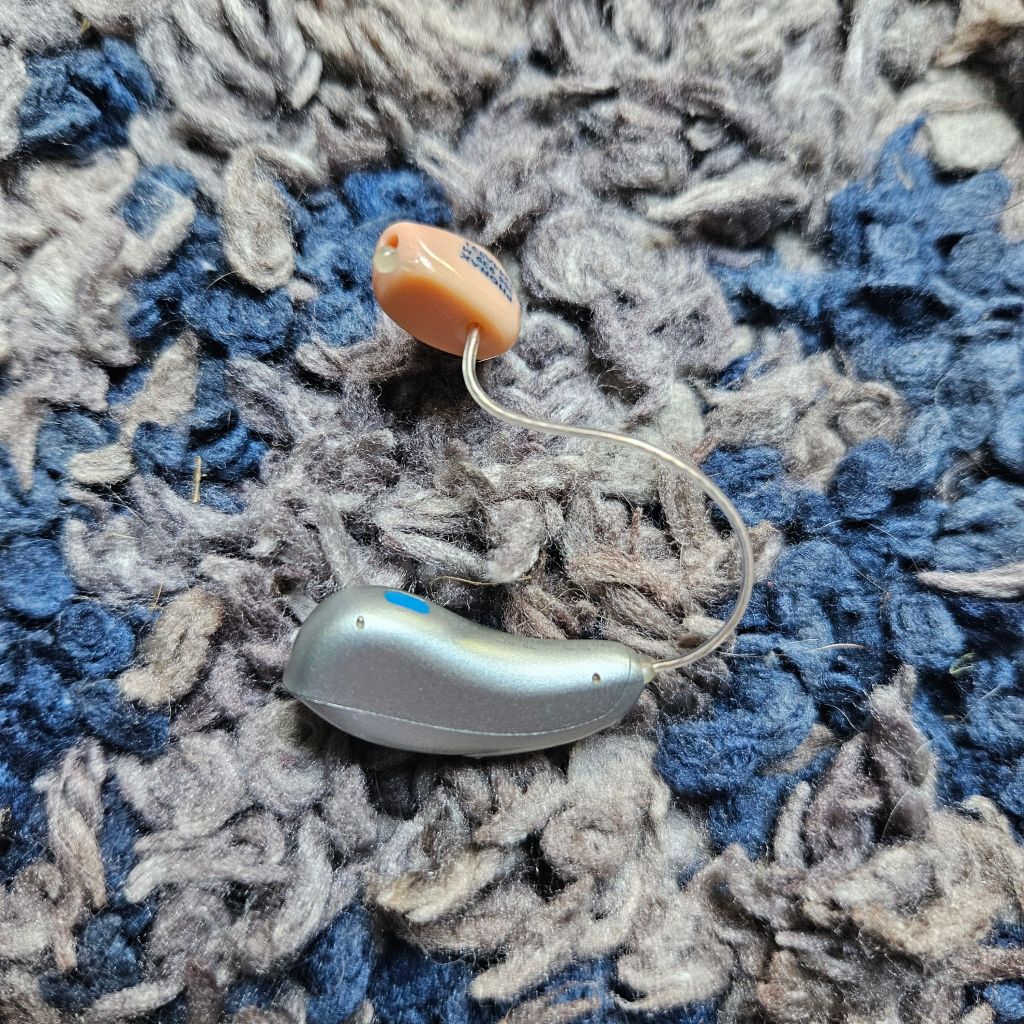
There is nothing more frightening to a hearing aid wearer than a broken hearing aid—or so I thought.

Yesterday, I had severe issues with my hearing aid. I couldn’t hear anything in my left ear. I kept adjusting the settings, raising and lowering the volume. I deleted the app on my phone, reinstalled it—nothing worked.

When my hearing aid doesn’t function, I can always tell. Besides the obvious issue of not being able to hear, my tinnitus gets noticeably worse.

I tried everything: turned the hearing aid off and on, charged it fully, even put in my old hearing aid. That’s when I realized—it wasn’t the hearing aid that was broken. It was my ear.

I had lost all hearing in my left ear.

And that is even scarier than a malfunctioning device. A hearing aid can be fixed. A non-functioning ear? That’s a different issue altogether. Sometimes, even the best technology money can buy isn’t enough.

After that realization, I made an urgent phone call to my audiologist and scheduled a dreaded appointment. Then, I made the mistake of checking with Dr. Google—and that was not a good idea. Dr. Google is very scary.

Work today was a challenge. Not being able to converse or understand what people are saying to you is incredibly isolating. But my coworkers were understanding. They adapted things so I could still work, and I really appreciated that.

Today was not a good day.
I hope tomorrow will be better.

#hearingloss #brokenhearingaid #toughday #phonak

Hearing Aids, Stigma, and My Story

Hearing Aids, Stigma, and My Story

I had an interesting conversation with my mother the other day. She told me about a friend she met for coffee, who mentioned that her husband refuses to wear hearing aids. Apparently, his doctor told him that wearing hearing aids would hurt his brain.

I’m not sure which doctor he saw—because even “Doctor Google” isn’t that misinformed.

I told my mom that he probably doesn’t want to wear them either because of the cost or because of the stigma. For many people, hearing aids still carry the perception that they make you look old. I wear hearing aids myself. I’ve worn them for the past five years, ever since I lost my hearing overnight. I don’t think I’m old—but I guess that depends on who you ask.

When I lost my hearing, it took a few months for my insurance to approve the hearing aids. They’re expensive, and since I have severe hearing loss in one ear and moderate loss in the other, I needed high-quality aids—not the over-the-counter ones. The first pair I got cost nearly $6,000, but I was very lucky: insurance covered the full amount.

I completely understand people’s hesitation when it comes to the cost. Hearing aids are expensive, and the technology changes—and thankfully improves—each year. But for many adults, cost isn’t the only issue. There’s also a stigma. Some people see hearing aids as a sign of aging or weakness. And yes, it’s true that we lose some hearing as we get older. But that’s not the case for everyone.

In my case, my hearing loss was sudden. My ENT told me it was likely caused by a virus that attacked my system. One day, I could hear everything around me. The next day, my world went silent. My life changed forever.

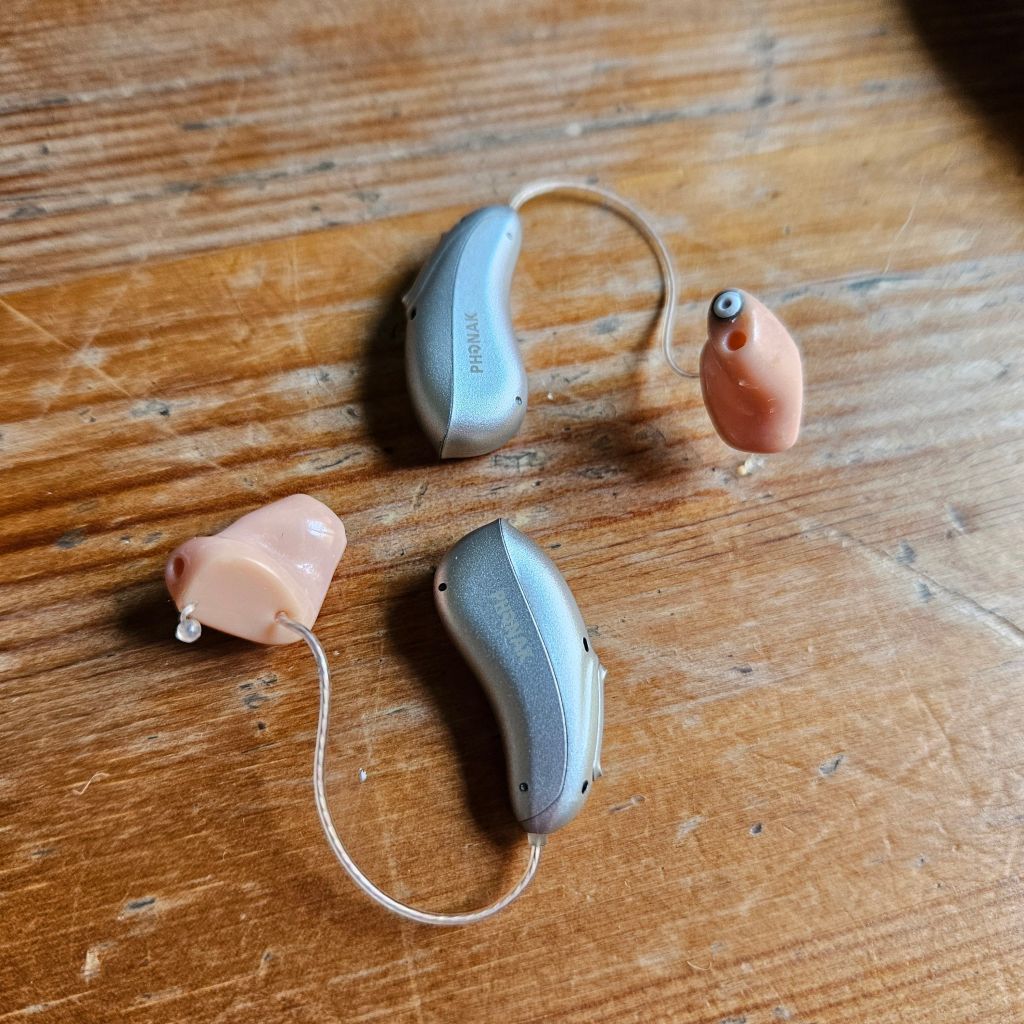
Thankfully, hearing aid technology is incredible now. The devices are smaller, more advanced, and some even come in fun colors. I will never hear “normally” again, and I’ll always need hearing aids to stay productive and connected. But I wear them proudly.

If you’re struggling with hearing loss, don’t let fear, shame, or stigma stop you from getting the help you need. There’s nothing weak or “old” about using technology that helps you live your life fully.

#HearingLoss #SuddenHearingLoss #HardOfHearing #HearingAids #MyHearingJourney #HearingAidUser #BreakTheStigma #LifeWithHearingLoss #DisabilityAwareness

Five Years After Hearing Loss: The Things No One Told Me About Hearing Aids

Junk Drawer Finds and Hearing Aid Memories

I was clearing out one of my many junk drawers as part of my 2025 clutter mission when I found the receipt for my first hearing aid. It instantly brought back everything I went through that year.

From the moment I realized that I really couldn’t hear—and that it wasn’t temporary—to finally accepting that I needed hearing aids just to get through everyday life. I stressed constantly about how I’d manage at work and even more about the cost of the devices.

It took months of back-and-forth with insurance to get them covered. Then came the “test-driving” phase, followed by several more months of getting used to the new sounds and training my brain to adapt.

What they don’t tell you is that the world is loud. And they definitely don’t tell you that hearing aids won’t restore your hearing to what it once was.

I learned that loud places are overwhelming, movie theaters are actual punishment, and despite all the technology available, I still won’t be able to follow every conversation. It hit me hard—so hard that I spiraled into depression and grief.

And people… well, some people are completely clueless. One of my favorite comments (read: least favorite) was:
“But you don’t look deaf.”
Apparently, I forgot to wear my antennas that day.

Another time, I asked someone to repeat what they said because I didn’t hear them, and they responded by leaning in and yelling directly into my ear. The shock on my husband’s and my face must have been priceless.

Now, five years and a second hearing aid later, I’m still adjusting. Still learning to live with the fact that I’ll never hear “normally” again.

I wonder what I’ll find next week when I tackle another junk drawer. Hopefully something better—like forgotten money from a year ago.

#hearing loss journey #adjusting to hearing aids #living with hearing loss

#hearing aid struggles #hearing loss depression

Our Foster Fail: The Story of Shuki, Our Gentle Giant

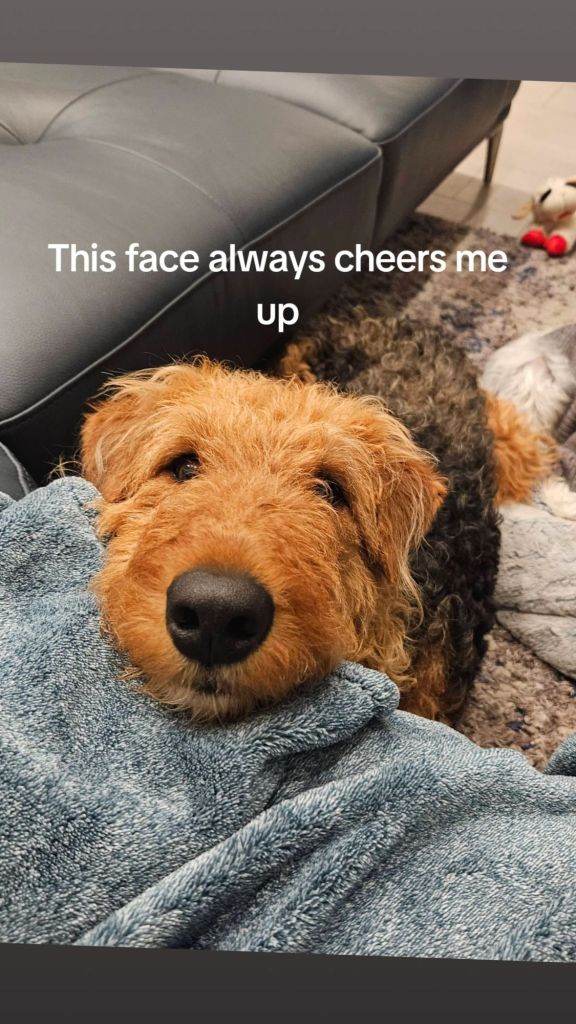
We fostered a rescue dog several months ago with the intent to “foster fail” and adopt her. Happily, we did fail at fostering, and now she shares our last name.

Our Shuki girl was rescued from a house that did not feed or give water to her and her siblings. She was extremely malnourished and very suspicious when we got her. Feeding time was like a piranha frenzy in the Amazon. She ate her food so quickly, you could barely count the seconds, out of fear that it would be taken from her. She gulped water the same way, creating big, messy puddles all around her.

She’s been with us for almost three months now, and we love her dearly. In that time, we’ve seen her grow from a fearful, malnourished pup into a sweet, cuddly companion. She is a big cuddler, unlike our previous dog, and seeks pets and attention quite a lot. She’s also scared of many things, especially big white cars. We suspect her abuser had a car like this.

Shuki knows many commands at this point and understands them in two languages. She is a very smart girl.

This week, however, we had a scary incident. Some kids came fast behind her on a walk with motorized scooters, and it freaked her out. She was so scared that she broke the leash and ran away. We panicked. Since she’d only been with us for three months, we weren’t sure where she would run to and were afraid she’d get hit by a car—or worse.

An emergency family phone call ensued, and we all went looking for her, worried sick. We found her about 10 minutes later—or better yet, she found us. She ran home, and luckily my husband was close by. He saw her and opened the door for her to enter the house. On the Ring camera, you can see her calmly walking into the house, while we were all in a panic.

Shuki girl ran home. She ran back to a place where she felt safe, secure, and loved.

There’s a common “Three, Three, Three” rule for rescue dogs. It means: three days to decompress, three weeks to learn the house routines, and three months to feel fully at home. We are very happy that she found her way home and that she considers our home her safe place. She’s a gentle giant, and we’re hopeful that she’ll be with us for many more years to come. But we could certainly do with fewer scary moments like that one!

“Still Deaf, Still Together: Navigating Marriage with Hearing Loss”

Had a Great Conversation with My Husband

This morning, I had a great conversation with my husband. I was still lying in bed, while he was getting dressed in the walk-in closet. What made this conversation truly memorable, however, was that I was without my hearing aids. He was talking to me from beyond a wall, and I could only hear sounds, not words—kind of like the Charlie Brown cartoons, where all you hear is noise instead of actual speech.

I kept telling him I didn’t have my hearing aids in yet, but apparently, even with his excellent hearing, he couldn’t hear me. So, when he finally came into the room, I calmly looked at him and said, “You know, I’m still deaf.”

With my hearing aids in, I can hear quite well, but there are still limitations. I can’t hear well from the other side of the house, or beyond walls, and occasionally, in a noisy room or crowd, I can get a bit lost. I can usually follow most conversations, and my brain fills in the gaps for what I miss. But there have been times when my brain got it wrong, and I completely misunderstood what was being said—or agreed to something I would never have if I had heard the conversation clearly. Thankfully, nothing I agreed to in those moments was anything too crazy.

My hearing loss is not new to my husband. He was there when I lost my hearing overnight, four and a half years ago. He stood by me when I was scared about navigating a hearing world, feeling overwhelmed at social gatherings because I couldn’t understand what people were saying. He was there when I fought with our health insurance company to get my hearing aids covered and when I had to adapt my entire life to my new reality without a crucial sense.

Yet, despite all of this, my husband—who’s been with me through every step of this journey—still sometimes forgets that I can’t hear a thing without my hearing aids. It can be frustrating in a marriage, but luckily for him, I have a sense of humor (most of the time).

Maybe it’s because I lost my hearing that we’re still together after almost thirty-five years. After all, I don’t always hear what he says—the good or the bad.

#HearingLoss

#HearingAids

#Deafness

#MarriageJourney

#LivingWithDisability

#HearingLossAwareness

#DisabilityAndLove

#HearingImpairment

#LifeWithHearingLoss

#LoveAndLoss

#DeafAndProud

#HearingChallenges

The Importance of Patient Communication in Healthcare.

Or Bruised, Bandaged and Ignored!

This morning, I had my routine monthly blood tests. I get these quite often and know my body—and my veins, which are sometimes tricky. When I arrived at my appointment, I noticed a new phlebotomist. As usual, I explained that my veins tend to roll and that one side is better for drawing blood.

Unfortunately, my advice went unheard. Not only did he overlook my concerns about my veins, but he also failed to address my need for clear communication. I had told him that I am hard of hearing and need him to speak directly to me instead of turning his back.

I work in a fast-paced customer service job, speaking with many people every day. At the end of a long day, all I want is to remove my hearing aids and enjoy the silence. Having spent most of my life in customer service, I understand the challenges of balancing customer demands with providing quality service. But I also know that true service goes beyond just hearing; it’s about truly listening.

Dealing with an invisible disability comes with unique challenges. Listening to people costs nothing but can make a huge difference. Today’s experience highlighted a gap in how some service providers train their staff—not just in technical skills, but in valuing patients as individuals. It felt as though I was just another patient being processed through a conveyor belt.

By the time I left, both of my arms were sore, bruised, and bandaged. But what left the deepest mark was the feeling of being ignored.

Adapting to Hearing Loss: My Personal Journey

At my last Pilates class, my instructor told me that I am quick to follow directions. I didn’t think much of it at first—after all, I’m naturally fast. But as I reflected on it, I realized that my speed isn’t about being prepared. It’s because I can’t hear.

You’d think that losing my hearing, wearing hearing aids, and not enjoying background music in a class would make me slower to follow directions. In fact, it’s the opposite.

I suffer from SSHL, or sudden sensorineural hearing loss, which took away my hearing almost overnight in 2020. It happened during the height of the pandemic, and securing an in-person doctor’s appointment was difficult. By the time I saw an ENT, my hearing loss was permanent.

Losing my hearing isn’t just about the absence of sound; it involves my brain, too. Comprehending what’s being told to me, processing information, and responding appropriately all require more effort and concentration than they did before.

We all cope with losing a vital sense in different ways. Some retreat into themselves, others embrace their new reality, and some, like me, find ways to adapt. After the shock wore off and I realized that my life would never be the same, depression set in. I was consumed with fear about how I would continue living. It’s hard to work in customer service when you can’t hear what people are saying, especially when masks and barriers were mandatory.

At first, I avoided crowds, restaurants, and most social interactions. I thought I was doing the right thing, but in reality, I was isolating myself. As an introvert, I found it strangely comforting to be alone. But then I realized I still enjoyed being around people. So, I developed a kind of “superpower”—anticipating what people were about to say or do. Not being able to hear forced me to watch and observe. I learned to read body language, facial expressions, and subtle cues. In noisy environments, I became a silent observer, finding the smallest gestures fascinating and, oddly enough, entertaining.

When my Pilates instructor complimented me on my quickness, I just smiled. People don’t need to know that my brain is constantly processing, predicting, and observing. It’s my way of adapting to a world I can no longer hear in the same way.

We all have our coping mechanisms, this is mine and I hope that everyone finds their own way.

Nothing makes sense

What happens when you lose your hearing? Do you suddenly get a superpower ? A brand new sense or an enhanced one. They say that when you lose a sense, another sense gets stronger to compensate. When I lost my hearing there were no sudden bells, whistles or trumpets announcing my new strengthened alternate sense. Most likely because I could not hear them.   Nothing exciting happened, I did not become spiderman and the only superpower I got was the on and off button on my hearing aids. Hence my lovely pair of hearing aids, nice expensive silver colored. Not even a fun blue color to match my eyes.

My sense of smell did increase slightly  but I am not sure that this is a good thing considering I have a dog and a grand dog.  While I did loose a major sense I did gain observation, not by choice but by necessity. Since I can’t always follow a conversation I started to pay more attention to facial expressions and body language. You learn a lot from watching people and standing on the sidelines. In big crowds and noisy places it is very hard for me to hear, so standing on the sidelines was out of practicality. You see if someone is uncomfortable, happy, deceptive and you start getting a sense of what they actually think and feel from their body language. For me it is still a work in progress to understand everything I see but this is a welcome challenge and a it is little entertaining.

You also learn a lot from looking at people’s faces when they speak to you, surprisingly many are not comfortable with people looking at them directly. Might be that eye contact with humans was lost during the pandemic zoom era. But as a hearing impaired person it is a valuable tool as I am learning to read lips.

My husband would say that despite my new observation skills I still do not pay attention to what he says, but in all fairness I didn’t pay attention before I lost my hearing so technically it’s a habit and not a choice and maybe a tiny superpower. I took me 35 years together to perfect this skill.