Conversations from the Driver’s Seat

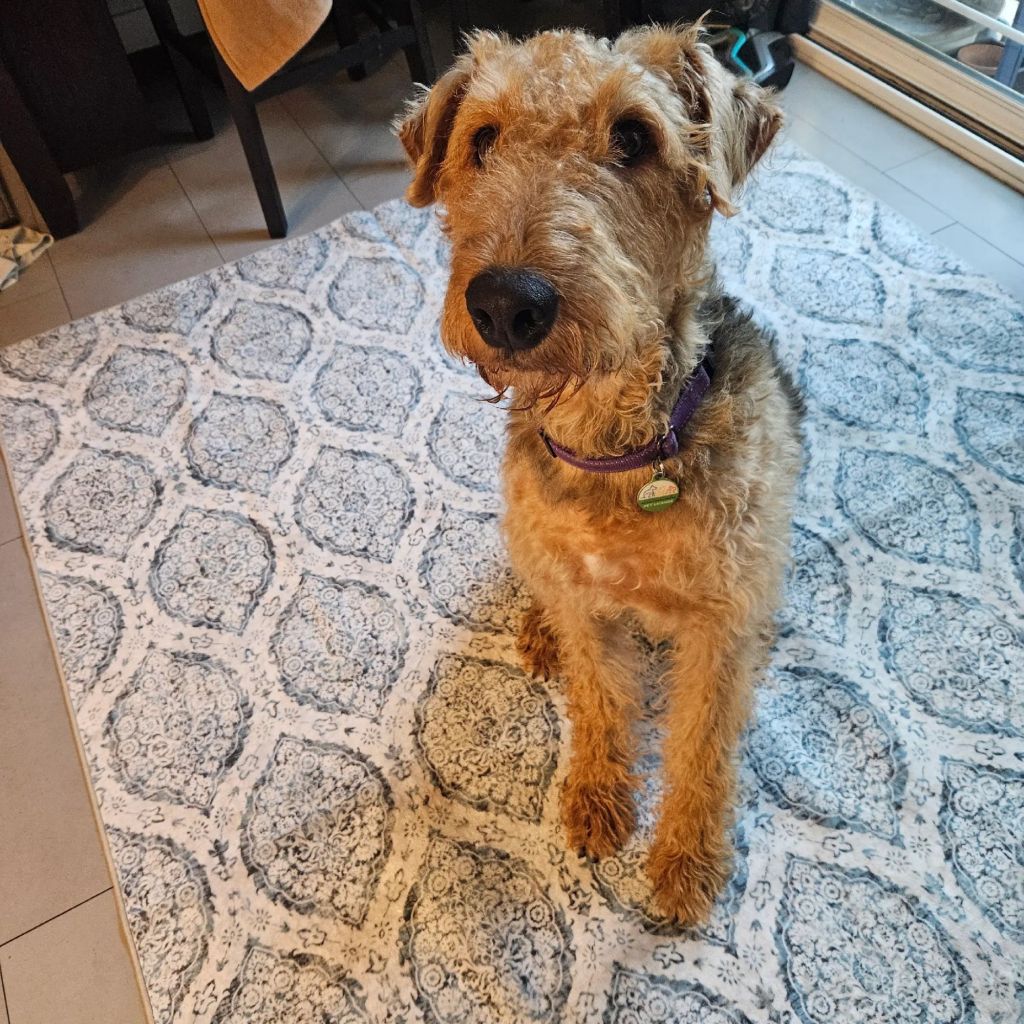
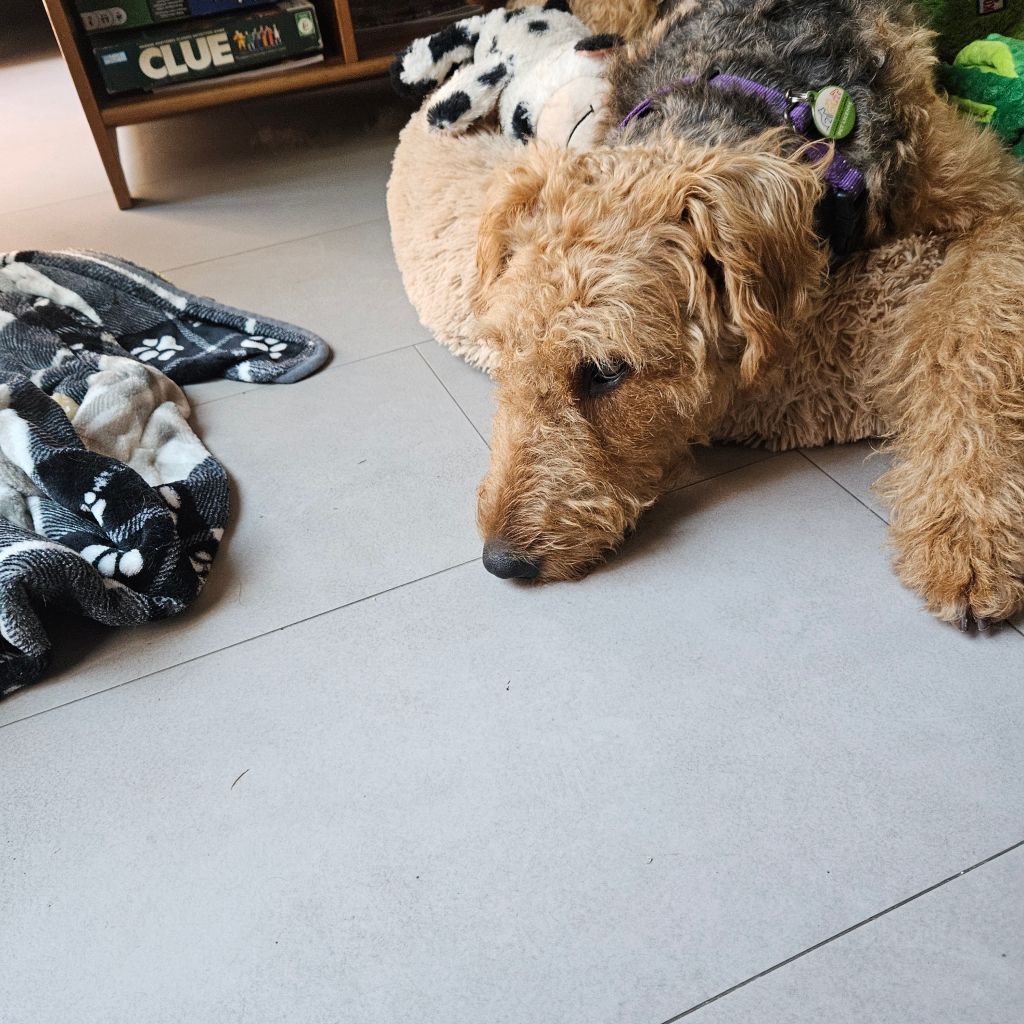
My life as a driver continues—although I got a break yesterday, as my husband had a friend take him to work. That gave me the rare opportunity to sleep in. Well, to “sleep in” until 7:20 a.m., when Shuki, the family dog, decided I’d slept enough.

I needed a driving break—not because driving itself was the problem, but because someone at work decided to stick an early meeting on my calendar. A meeting I couldn’t take from the car because, of course, they needed to see my face.

Not all meetings are productive. This one definitely wasn’t. Not due to lack of preparation or context, but because of the participants.

When we’re faced with change—professional or personal—we’re not always open to it. There’s fear involved: fear of leaving our comfort zones and confronting challenges that force us to adapt. I couldn’t quite understand the strong reaction in that meeting. I saw the big picture. I had already been part of the transition being discussed. So I was surprised by the resistance.

Back in the driver’s seat today, I shared all of this with my husband. He offered a perspective I hadn’t considered: that people often resist change not because they don’t understand it, but because they’re afraid—afraid of having to learn new things, of stepping into unfamiliar roles, of failing.

Driving still isn’t something I enjoy. I much prefer my “passenger princess” role. We’re still waiting on his medical test results, which is why I’ve taken on this new morning routine. But these forced drives have brought one unexpected benefit: the chance to talk. With our opposing work schedules, we rarely get that during the week.

I still get annoyed when he tells me how to drive. But I do appreciate these small, quiet moments we share together.

From a Passenger Princess to a Warrior Princess

I used to be a passenger princess—and I loved it. My husband did all the driving while I relaxed in the passenger seat, helping with directions, reading a book, or scrolling through social media.

We love road trips, and I probably enjoyed them more because I didn’t have to drive. But then, the seizure came. One moment, my handsome chauffeur was behind the wheel, and the next, I became the driver—and he, the passenger prince.

Let’s just say… he hasn’t adjusted to his new princely status very well. In fact, he’s still learning the etiquette of being a proper passenger prince.

The transition from being the driver (and occasional backseat driver) to sitting quietly in the passenger seat has been a tough one for him. I’ve lost count of how many times he’s asked, “Did you see that car?” or “Why are you taking this route instead of the other one?” and plenty more unsolicited driving commentary.

What’s funny is that for years, I drove the kids around while he never seemed to care how I drove. But now? Suddenly, I’m under review like I’m applying for a chauffeur’s license.

I try to respond with humor—most of the time. But I’d be lying if I said I didn’t occasionally want to turn him into a frog.

This new role as the warrior princess behind the wheel doesn’t come with an expiration date. My patience, however, occasionally does.

Here’s hoping he gives me five stars on Yelp.

Puzzling Through BS and RBBB: A (Dark) Humor Guide to Medical After‑Notes

Years ago, when texting was just taking off, I had to teach myself all the lingo—the endless shortcuts, acronyms, and cryptic abbreviations. These days, I find myself learning a brand‑new vocabulary: medical lingo.

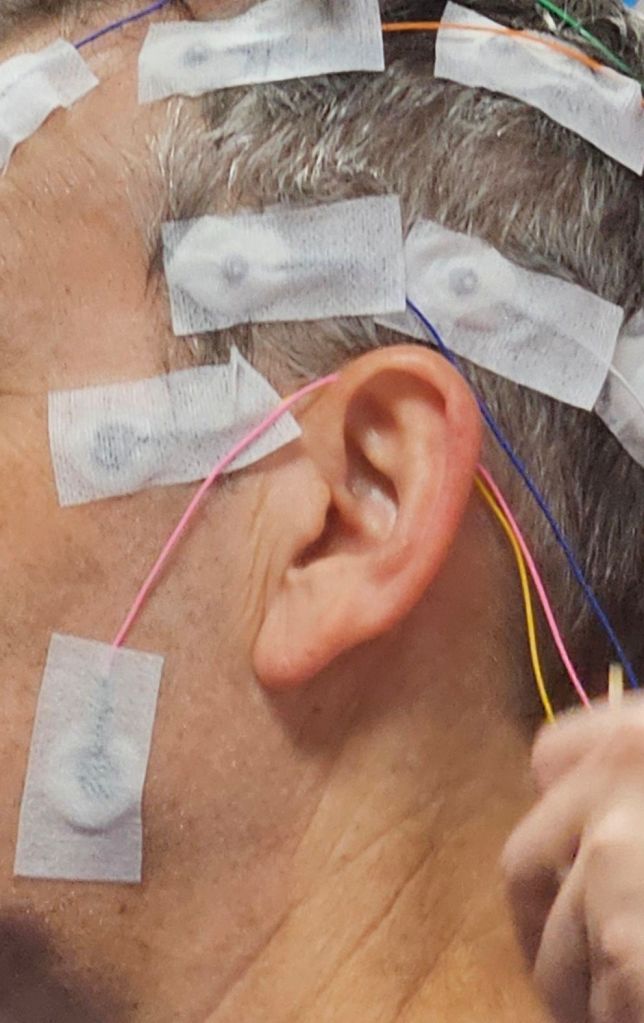
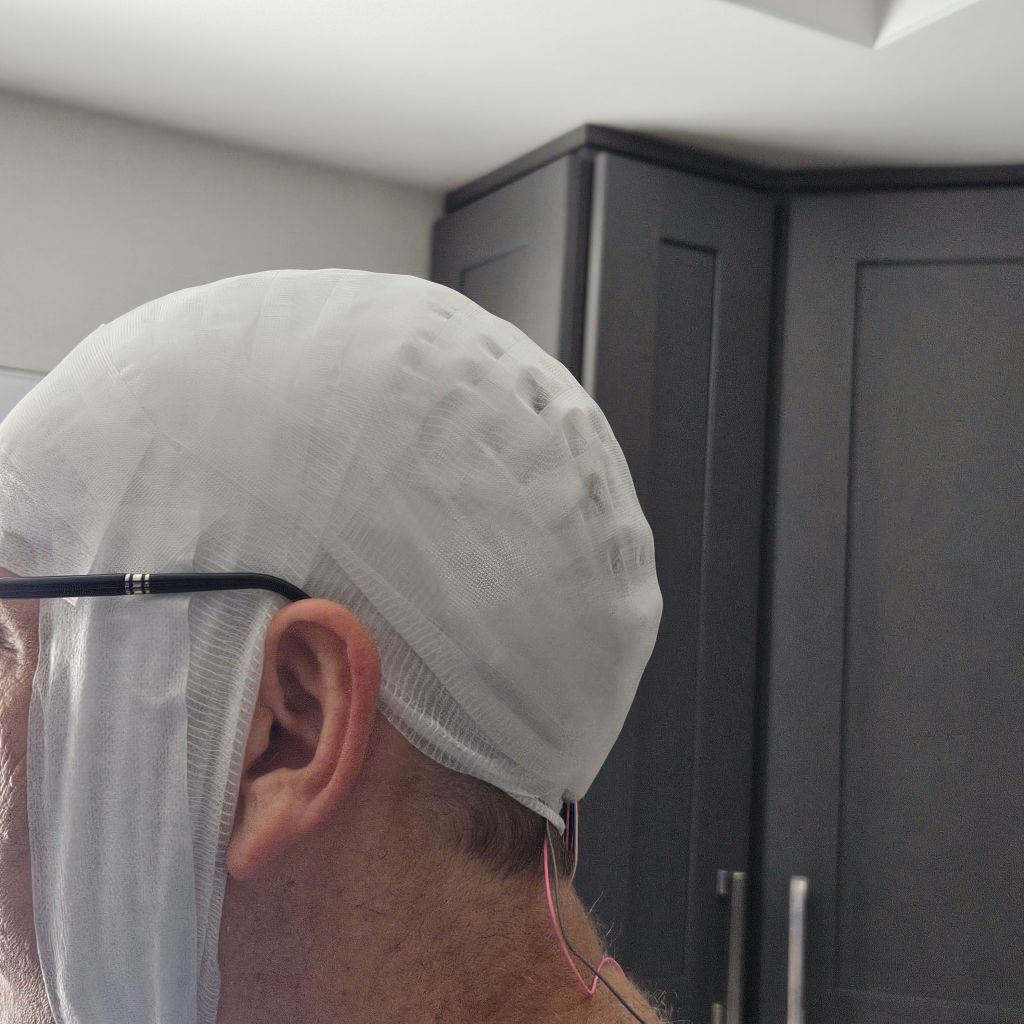
I’m not planning to enter the healthcare field anytime soon—this is purely by necessity. My husband had a seizure—at a Costco, of all places—and was rushed by ambulance to the emergency room. A week and a half later, we saw a neurologist, scheduled all the necessary tests, and began collecting the “after‑notes.” After‑notes from the paramedics, from the ER, from the first doctor’s appointment… and I’m bracing myself for more after‑notes from the MRI and EEG.

These after‑notes feel like military orders—packed with shortcuts and initials. Thankfully, I did serve in the military, and I love puzzles. So here I am: deciphering, decoding, trying to understand what happened and what everything means.

Here are a few of the gems I’ve already cracked:

  • BS — not “bullshit,” not “bachelor of science”—it’s blood sugar.
  • BIBA — not a Honda model—brought in by ambulance.
  • NSR — not some sinister government agency—it’s normal sinus rhythm.
  • ED — not the embarrassing kind—it’s emergency department.
  • Hx — not a TV channel—it’s history.
  • RBBB — not about bananas—it’s right bundle branch block.

We’re taking this all very seriously, don’t get me wrong. We’re still waiting for more test results, and until we have clear answers, the dark humor is just part of how we cope. I’m looking forward to meeting the next batch of acronyms with the same dry wit.

Maybe I should launch a TikTok channel just for this: “Medical Lingo Decoded: Episode 1.”

Even Iron Breaks

My mom called me an Iron Lady this week.
I come from a long line of strong Iron Ladies — not by choice, but by necessity and circumstance.

It’s been a tough week: an ER visit, a mountain of doctor’s appointments and medical procedures, all while still working and trying desperately to manage everything else around me.

Restful sleep? Not an option. I woke up every hour to make sure my other half was okay.

The house looks like Pompeii — everything is exactly the way it was when I got the call that he was taken to the emergency room. Frozen in place: the dishes, the kitchen counter, and most of the house.

I’ve been functioning on a need-only basis, literally running on fumes.

And today, it finally hit me: I’m tired. I’m exhausted — physically and emotionally.

I told my mom, “Even iron corrodes and breaks. Sure, it’s strong, but it doesn’t have limitless power.”

I also joked, “I probably need some WD-40 at this point,” and she laughed.

But truthfully?
I don’t want to be an Iron Lady.
I want to cry. I want to scream. I want to be angry.

But I can’t.
At least, not right now.

My Wegovy Journey: Weight Loss, Wellness, and Dancing at My Daughter’s Wedding

I’ve lost almost 45 pounds over the last eighteen months. My endocrinologist, gastroenterologist, and cardiologist all agreed that weight loss would be key to getting my health back on track. In fact, I had a prescription and insurance approval for eight months before I finally went to get it filled — and I’ve been on Wegovy ever since.

Being in your late fifties with autoimmune diseases, insulin resistance, and menopause is not easy. For years, I gained two pounds a month, no matter what I did. Yes, I’m active. I walk 10,500 steps a day, go to the gym, and take reformer Pilates classes. But it didn’t seem to matter — I couldn’t lose weight. I just kept gaining.

My husband always had suggestions: exercise more, eat fewer calories, try intermittent fasting. Trust me, I tried them all — and nothing worked. Lucky for him, he’s a six-foot-tall man who can shed weight easily. I, on the other hand, am a curvy, petite woman who’s had three kids.

I was worried about side effects from the medication — I tend to be very sensitive. But to my surprise and relief, Wegovy helped in unexpected ways. My IBS improved dramatically. I was less bloated, and the constant nausea I used to live with finally stopped. I no longer have to plan my day around knowing where every bathroom is. That, in itself, felt like a small miracle.

When someone asked me what my goal weight was, they were surprised by my answer. My goal wasn’t a number on the scale — it was about my cholesterol and blood sugar levels.

My life hasn’t changed drastically, but I’ve dropped two sizes. I bought a few new outfits, and now I fit better in my old clothes too. But perhaps the best moment? I danced all night at my daughter’s wedding — something I wouldn’t have been able to do a year and a half ago.

I feel better. I sleep better. And now, I’m waiting to see those blood test results come back in range — the final confirmation that I’m truly back on track.

The Sounds We Forget to Hear

The Sounds We Forget to Hear

Hearing is something most of us take for granted. We rarely pause to notice the sounds that surround us—the rustle of leaves, the hum of traffic, the laughter of children. Instead, we walk through life plugged into headphones, filling every moment with music, podcasts, or phone calls. We wear them when we walk, talk, commute, and definitely when we exercise.

This week, my youngest made crème brûlée. She’s been perfecting her recipes lately and this time offered dairy-free, vegan, and lactose-free options. In our household, that’s not just a nice gesture—it’s a necessity. We are a home full of celiacs, lactose-free lifestyles, and IBS sufferers. My children, poor things, didn’t need a genetic test to prove maternity—they inherited all my “fun” genes: the celiac gene, the IBS gene, and definitely the lactose intolerance gene.

But here’s the moment that gave me pause: as she torched the sugar on top of the crème brûlée, I heard it. The delicate, satisfying crackle of caramelizing sugar. That beautiful, subtle sound was only possible for me to enjoy because I had my hearing aids in. Without them, I’d have missed it entirely. That tiny moment of joy made me think about how much we miss when we don’t stop and really listen.

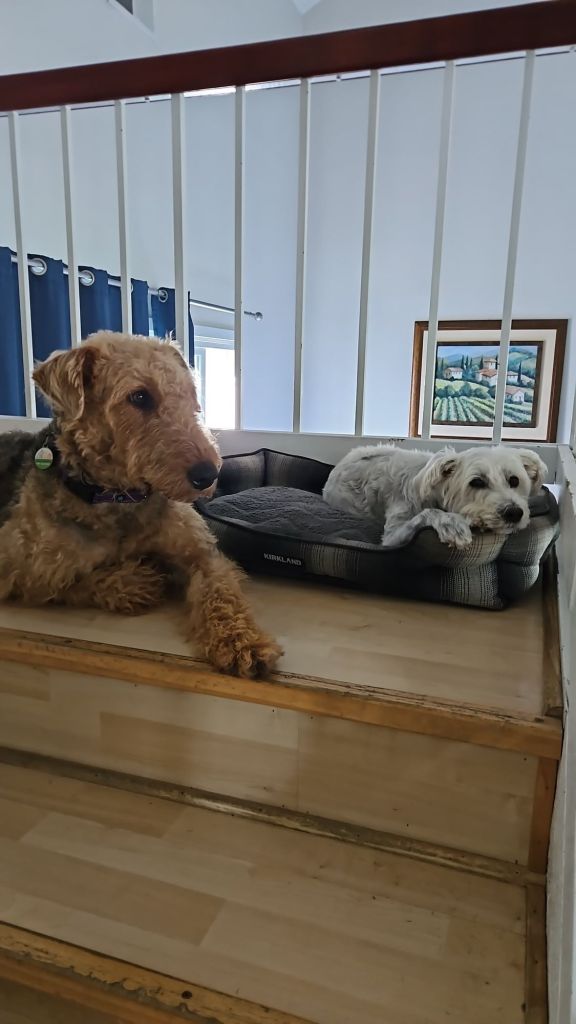
Take Charlie, our neighborhood squirrel. Charlie is something of a local character—and a sworn enemy of our dogs. (They’re terriers. It’s instinct.) Charlie, bold as ever, hisses at them from his perch on the tree. Every time he does it and I actually hear it, I can’t help but laugh. It’s such a strange, small sound—one I never noticed before hearing aids. But now I hear it, and every time I do, I’m delighted.

When I was younger, my mother used to warn me: “Don’t listen to music so loud—you’ll ruin your hearing!” I wish that was the reason I have hearing loss. But for me, it’s just part of the hand I was dealt.

I remember the day I got my first hearing aids. My audiologist looked at me and said, “Just a heads-up—the world is loud.” She wasn’t wrong. It is loud. But it’s also incredible. Hearing the world—even when it’s loud—is a gift.

So if you can hear the birds in the morning, the hiss of a squirrel, or the crackle of sugar on a homemade dessert—pause for a moment. Take your headphones off. Listen. The world has so much to say, and it’s worth hearing.

Still on the Road: From Minivans to Empty Nest Adventures

Still on the Road: From Minivans to Empty Nest Adventures

We always took road trips with the kids. Every other year, we’d pack the car to the brim and just go—no rigid plans, just the open road and a map. Over the years, we explored the entire West Coast of the USA this way, stopping at national parks and hidden gems along the route.

The kids would argue, bicker, and sometimes make us question whether they were enjoying any of it. But deep down, we knew—we were creating memories.

Back then, we drove a trusty minivan. The girls took the second-row captain’s seats, while our son (now a six-foot-two adult) claimed the back row, stretching his legs all the way to the front and occasionally sticking them in his sisters’ faces—just for laughs, of course.

We even did a two-week road trip across Canada. We really did travel a lot, and on a limited budget. With one income, three kids, a dog, and lots of coupons and budgeting tricks, car trips were simply the most economical—and the most memorable.

These past few years, the kids have grown up, started jobs, and moved on with their own lives. And yet, my husband and I are still hitting the road—just the two of us. No more minivan, now it’s an SUV. We pick an area, pack the car, and go.

This year was a little harder to plan. Our daughter got married. My husband went on a two-week biking trip across Europe with our son, which made his vacation time limited. I, on the other hand, had the opposite problem—plenty of unused vacation days and no one to go with.

After some back and forth—debating between a cruise, an all-inclusive resort, or another road trip—we chose the road. It’s funny, really. We don’t have the same financial limitations anymore, but we still picked the simplest option.

The truth is, we just love road trips. For us, it’s a time to reconnect. We talk, laugh, and reflect. Not every conversation is deep or exciting—401(k)s and investments come up, and I admit I tune some of those out—but even the silences are meaningful.

I used to worry about what would happen once the kids left. Would we run out of things to say? But lucky for us, we’re still discovering new things to talk about—even if we don’t always agree.

I hope we’ve passed on to our kids a love of adventure, and the understanding that no matter your stage of life, seeing new places is always worth it—with kids, or without.

What’s your favorite road trip memory?

“Apparently, ‘I’ Is a Problem”

This past week, I was reprimanded at work—verbally, of course. They never put anything in writing.

No, I didn’t do anything outrageous. I sent an email about IT problems in the office. Since the IT guy was scheduled to stop by, I wrote that I needed something fixed.

The horror. Apparently, writing “I need” instead of “we need” is a big enough deal to warrant a call from my boss.

To clarify: the IT problems were specific to me. I was the one whose internet wasn’t working. I was the one using my personal hotspot and personal cell phone to get work done.

Still, my boss looked me in the eye and told me it was inappropriate to write “I.” I asked if she was serious. She was.

But wait—there’s more.

Last month, I got pulled aside because “someone” heard me say I had maxed out my vacation days and needed to start using them. That was apparently gossip-worthy.

This is a pattern. I keep getting spoken to—always verbally, never formally—about things “someone” heard me say.

What’s strange is that this is not a terrible place to work. Most people are kind, helpful, and just trying to do their jobs. But management? That’s another story.

Ironically, my annual review was glowing, and my bonus was great. So, clearly, I’m doing something right. Right?

We even did harassment training earlier this year. It had a section on bullying and toxic behavior. I guess some folks in management skipped that part.

Let me be clear:

  • Is this nitpicking? Yes.
  • Is it creating a culture of fear and second-guessing? Absolutely.
  • Is it starting to feel toxic? More and more.
  • Am I being targeted? It really feels like it.
  • Why? I honestly have no idea.

This is a private, family-owned company. I’m not a threat. I’m not gunning for anyone’s job. I just want to do my work, collect my paycheck, and go home to my dog.

When my boss called me about the email, I said what I’ve been thinking: “This feels like harassment.” I asked that future complaints be formal and in writing.

Not holding my breath on that one.

So now I’m wondering:
Do I just show up this week and wait for whatever “someone” says next?
Do I say nothing?
Do I start documenting everything and protect myself?

I don’t know the answer yet. But I do know this: I’m not crazy. And I’m not alone.

A Six-Year Mission: Decluttering One Box at a Time

A Six-Year Mission: Decluttering One Box at a Time

We’re on a six-year mission to declutter the house—a mission that began when a broken pipe flooded and destroyed our entire first floor.

We had to box up everything salvageable and move it to the garage while the renovations were underway. Just as the construction was finally completed and we were allowed back in, COVID hit. Suddenly, four adults and a dog were working and living full-time in a house that still wasn’t organized. Computers were everywhere. The boxes? Still in the garage.

Our two-car garage quickly became a one-car-plus-boxes garage. For the past couple of  years, we stared at those boxes, inventing every excuse not to deal with them. It’s too cold. It’s too hot. I’m tired. My leg hurts. Any excuse, valid or not, was enough.

But this past year, we finally started. Every weekend, we tackle one box. This weekend’s box? Flat sheets.

I hate flat sheets. I know people use them as a barrier between themselves and the comforter, but I find them cumbersome and annoying. I donated some, but we’d kept extras in the garage “just in case”—for painting, protecting furniture, or other projects.

We pulled them all out, washed them, sorted them. Now we’re asking: what do we really need? Maybe two or three. The rest? Donate or sell.

We don’t always see progress when we take small steps. The garage isn’t clean or organized yet—but there’s one less box to tackle, and one small shelf that’s now empty and clean.

I saw a post today that said: “There’s nothing too small to celebrate.” And so, I’m celebrating one less box, and a decluttering journey that’s still moving forward.

I’m a Prepper—But Not the Doomsday Kind

I’m a Prepper—But Not the Doomsday Kind

I’m a prepper. Not the doomsday, bunker-digging kind—but the worst-case-scenario type. I always have a contingency plan, and honestly, I blame my engineer husband for that. I used to be a carefree human being. But after almost forty years together, I’ve been… optimized. Ruined, if you ask me.

They say you eventually start to look like your dog or your spouse. Mine are both tall and hairy—I am still neither. But I have adopted my husband’s practical, forward-thinking mindset, even if I haven’t grown a beard.

I love to joke that it’s all his fault, but truthfully, it’s not. It’s life. Being a mother while my husband traveled ninety percent of the time meant I had to be prepared and self-reliant. And that’s not even counting the ever-present car stash: snacks, spare clothes, and vomit bags—just in case.

To this day, my car still holds extra water, a blanket, a coat (even though I live in Southern California), and random supplies I might never use—but might need. That’s just who I am now.

Of course, it wasn’t just motherhood that turned me into a prepper. Chronic health issues played a big role. With IBS, I learned to identify clean bathrooms in any location, faster than a GPS could. With Celiac disease, I memorized every gluten-free menu within a 20-mile radius. And now, as my hearing declines, I’m prepping for a future where my job might need to adapt to my changing abilities.

I started researching careers that suit people with hearing challenges—something less dependent on constant interaction. Coding and accounting popped up frequently, but both sound painfully boring to me. Living in near silence is one thing; adding tedium on top of it feels unnecessarily cruel.

Then I fell into the rabbit hole of side hustles: everything from selling foot pics (a hard no) to flipping items on Poshmark, eBay, and Mercari, or trying affiliate marketing, blogging, or becoming an influencer.

Influencing sounded promising—until I realized I dislike makeup tutorials and find most influencer videos kind of annoying. So much for that.

But I did start a Poshmark closet—and surprisingly, I’m enjoying it. It’s fun, but not easy. Finding good deals to resell takes patience, organization, research, and planning. A lot more work than people assume.

Blogging? That’s also enjoyable, but creativity doesn’t always clock in when I do. Some weeks, my brain just refuses to show up. And without a clear niche, it’s easy to feel stuck.

Someone recently asked me why I’m exploring all these side hustles. I told them: I’m prepping. I’m prepping for the day when my hearing aids stop working well enough. I’m prepping for retirement. I’m prepping for life—whatever it throws at me.

Because that’s what I do. I’m a prepper.

And honestly? It’s not a bad thing.