Why I Made Wednesdays My Self-Care Day

This year, as part of my annual resolutions, I designated Wednesdays as my self-care day. On Self-Care Wednesdays, I schedule doctor appointments, handle insurance issues, and manage my FSA and HSA tasks.

Why Wednesdays? Honestly, it was a practical (and slightly petty) choice—I don’t like the Wednesday Pilates instructor. Silly, but it worked. I needed a dedicated day for health-related matters, and Wednesdays stuck.

At the beginning of the year, I listed all the medical visits I knew I’d need—dermatologist, endocrinologist, dentist—and mapped them out month by month. Then I just started calling and scheduling . This way, I eliminated excuses and avoided procrastination.

As we get older, our calendars fill up with more medical appointments. But caring for ourselves—physically and mentally—is the best gift we can give ourselves and our loved ones.

For a long time, I avoided doctors. Like my dad used to say, “They just find things you didn’t know were wrong.” It took ten years and a lot of frustration before I was finally diagnosed with Celiac disease. Back then, doctors didn’t seem helpful—just another round of meds and foods to eliminate. So I stopped going.

But now I understand the value of routine care. I’ve made peace with it. And scheduling everything on a specific day ensures I actually follow through.

Wednesdays work for me. What day could work for you? Designate a self-care day for yourself—you deserve it.

#selfcare #wellness #health #lifehacks

Why I Finally Started Taking Time Off (And You Should Too)

I took a day off today—not for any special reason, but simply because I maxed out my vacation hours and am no longer accumulating any more. Since that’s the case, I’ve started taking a day off every other week, turning my weekends into three-day breaks.

I have too many unused vacation days—not because I didn’t have plans, but because I was never allowed to take them. There was always something more urgent that needed to be done. For a long time, I was semi-okay with this. And then, one day, I wasn’t anymore.

I’m not sure if it’s related to my age, or the fact that I’m finally at a point in my life where I’m financially secure enough to work because I want to—not because I have to. Maybe it’s just that I’ve realized I need to take care of myself first.

There should be no reason for anyone to max out their vacation days. We should take time off.

Time off energizes us. It gives us time with our families, offers us mental space, and helps nourish our souls.

Some companies pay you for unused vacation days. Mine doesn’t. But honestly, I don’t want the payout—I want the time.

Today, I cleaned out one of my junk drawers, took a nap, and finally watched a TV series I’ve been meaning to catch up on. And I had time to pause and think about the future and what I really want.

Do I want to keep working for a company that doesn’t let me take time off? One that doesn’t seem to care about burnout or mental well-being?

In the middle of my day off, my boss texted me asking where I was. I reminded her I was off—we had talked about it. She replied, “You didn’t, and it’s not on my calendar.” But it was on her calendar. It was also on the calendars of the people covering for me. In fact, the whole office knew I was taking the day off.

At the end of the day, we are all replaceable. It wouldn’t take long for my company to post a job ad and find someone new. But the time I lose—I don’t get that back.

I’ve already planned out a few more days off over the next three months. Maybe on one of those days, I’ll even update my résumé—or apply somewhere that does value employees taking time for themselves.

#Work-life balance  #Burnout #Time off #Mental health at work
#Employee wellness #Career reflection

Five Years After Hearing Loss: The Things No One Told Me About Hearing Aids

Junk Drawer Finds and Hearing Aid Memories

I was clearing out one of my many junk drawers as part of my 2025 clutter mission when I found the receipt for my first hearing aid. It instantly brought back everything I went through that year.

From the moment I realized that I really couldn’t hear—and that it wasn’t temporary—to finally accepting that I needed hearing aids just to get through everyday life. I stressed constantly about how I’d manage at work and even more about the cost of the devices.

It took months of back-and-forth with insurance to get them covered. Then came the “test-driving” phase, followed by several more months of getting used to the new sounds and training my brain to adapt.

What they don’t tell you is that the world is loud. And they definitely don’t tell you that hearing aids won’t restore your hearing to what it once was.

I learned that loud places are overwhelming, movie theaters are actual punishment, and despite all the technology available, I still won’t be able to follow every conversation. It hit me hard—so hard that I spiraled into depression and grief.

And people… well, some people are completely clueless. One of my favorite comments (read: least favorite) was:
“But you don’t look deaf.”
Apparently, I forgot to wear my antennas that day.

Another time, I asked someone to repeat what they said because I didn’t hear them, and they responded by leaning in and yelling directly into my ear. The shock on my husband’s and my face must have been priceless.

Now, five years and a second hearing aid later, I’m still adjusting. Still learning to live with the fact that I’ll never hear “normally” again.

I wonder what I’ll find next week when I tackle another junk drawer. Hopefully something better—like forgotten money from a year ago.

#hearing loss journey #adjusting to hearing aids #living with hearing loss

#hearing aid struggles #hearing loss depression

Bread Trucks and Blood Pressure: Finding Humor in Life’s Challenges

funny. You see, I’m a Celiac — I can’t eat gluten because of an autoimmune disease. I was diagnosed with it as a “birthday gift” on my 39th birthday, and as a former carb-lover, giving up bread and pasta wasn’t easy. Back in the day, gluten-free options were hard to come by and, frankly, not very tasty. And, let’s be honest, gluten-free bread is still the size of a postage stamp.

Life these days is hectic, crazy, and sometimes full of stress. Lately, work has only made it worse. My cardiologist told me I need to lower my blood pressure. I asked him how to do that when people around me constantly annoy me and drive me crazy. I’m still waiting for a solid answer to that question.

I try not to take everything too seriously — not because I think life is a joke, but because we’re all dealing with serious things. We need to find humor in what surrounds us. Unfortunately, that doesn’t seem to help much with my blood pressure.

Losing my hearing was tough. I went through the stages of grief because losing such an important sense impacts my quality of life and everyday well-being. But five years later, when people ask how it affects me, I joke that it’s actually a blessing for my husband — I don’t hear any of his annoying remarks anymore.

So, having a bread truck full of gluten following me around was pretty funny. Who knows, maybe it’ll even show up in my dreams tonight.

#GlutenFreeHumor #CeliacLife #FindingTheFunny #LaughThroughTheStruggles
#CeliacWarrior #HealthWithHumor #BreadTruckChronicles #AutoimmuneLife #GlutenFreeJourney #StressAndLaughter

Our Foster Fail: The Story of Shuki, Our Gentle Giant

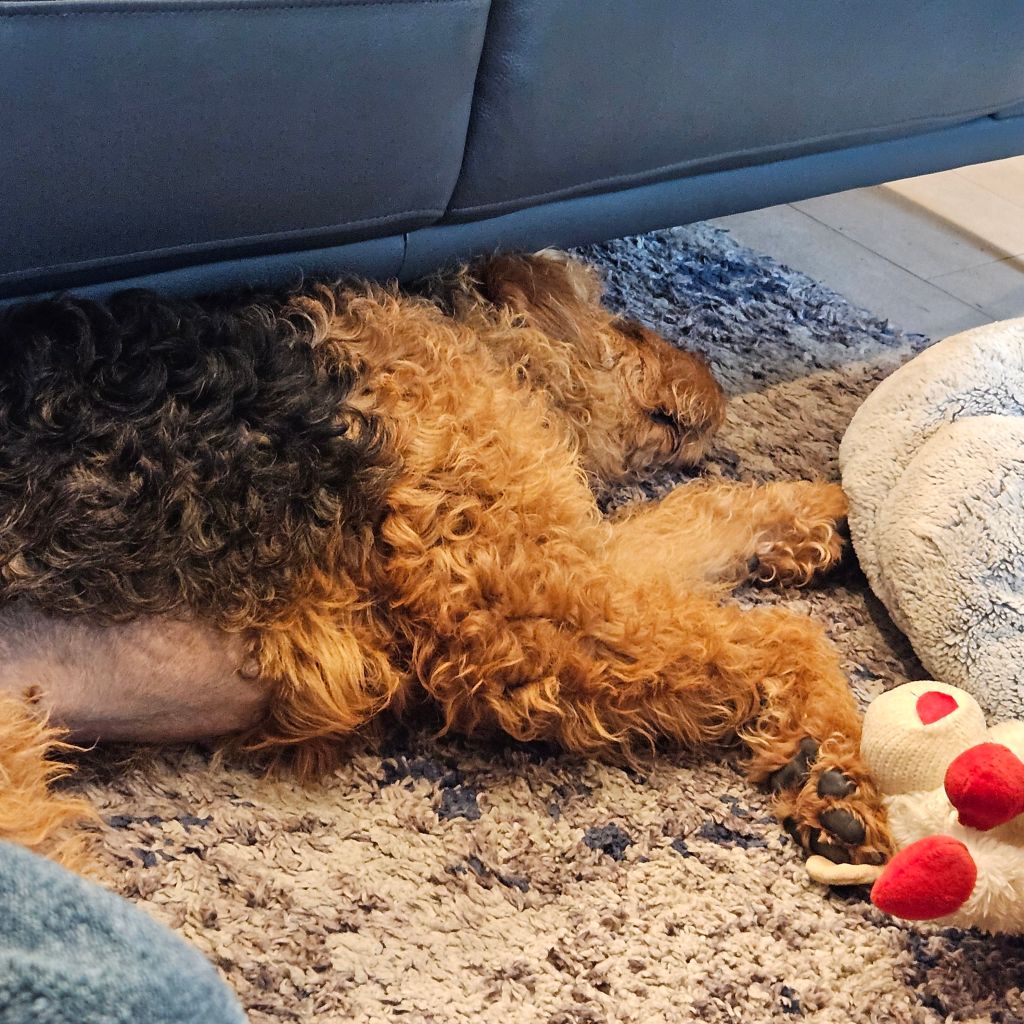
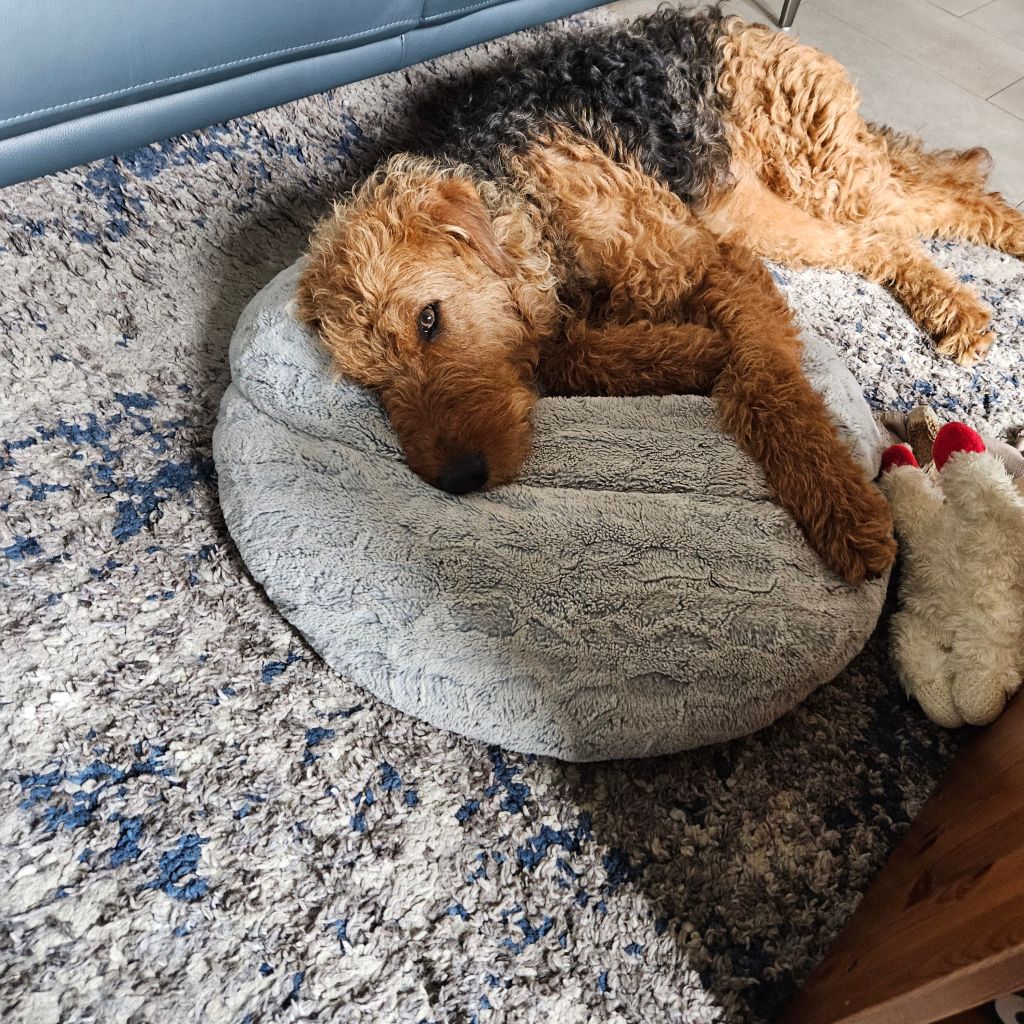
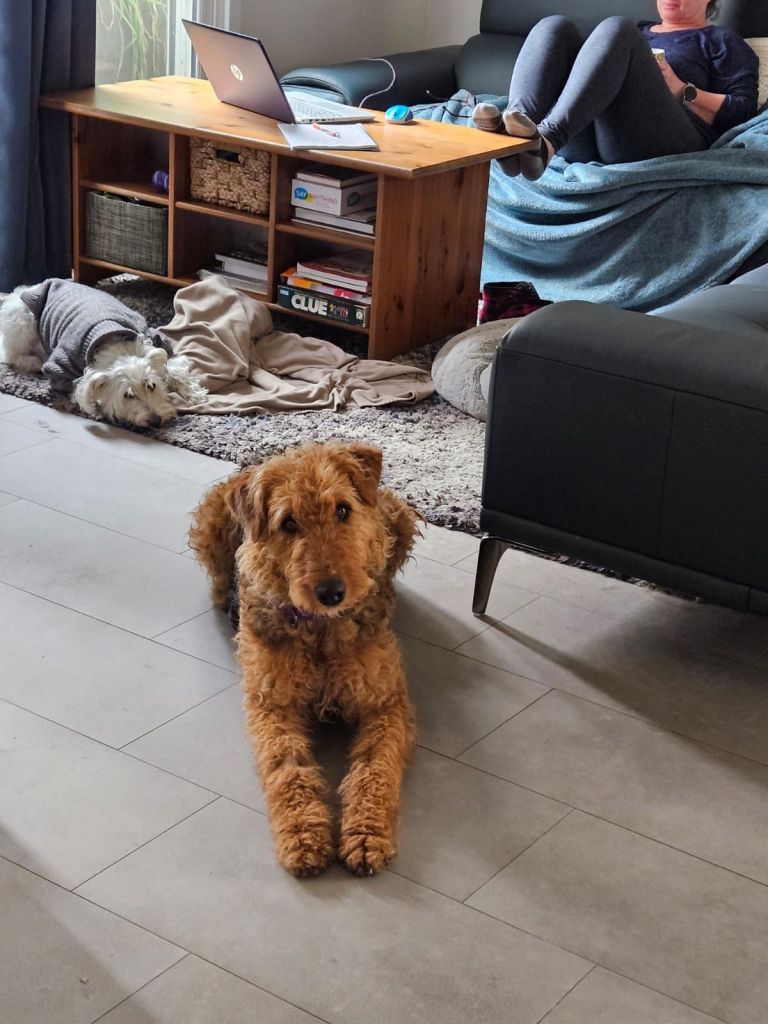
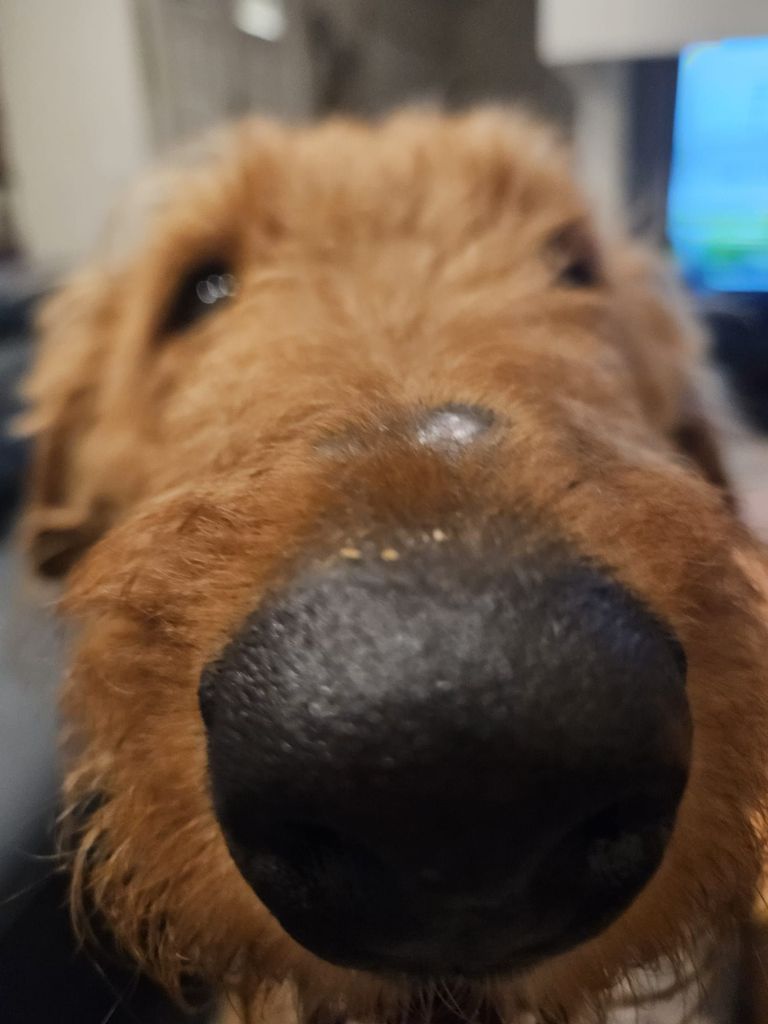
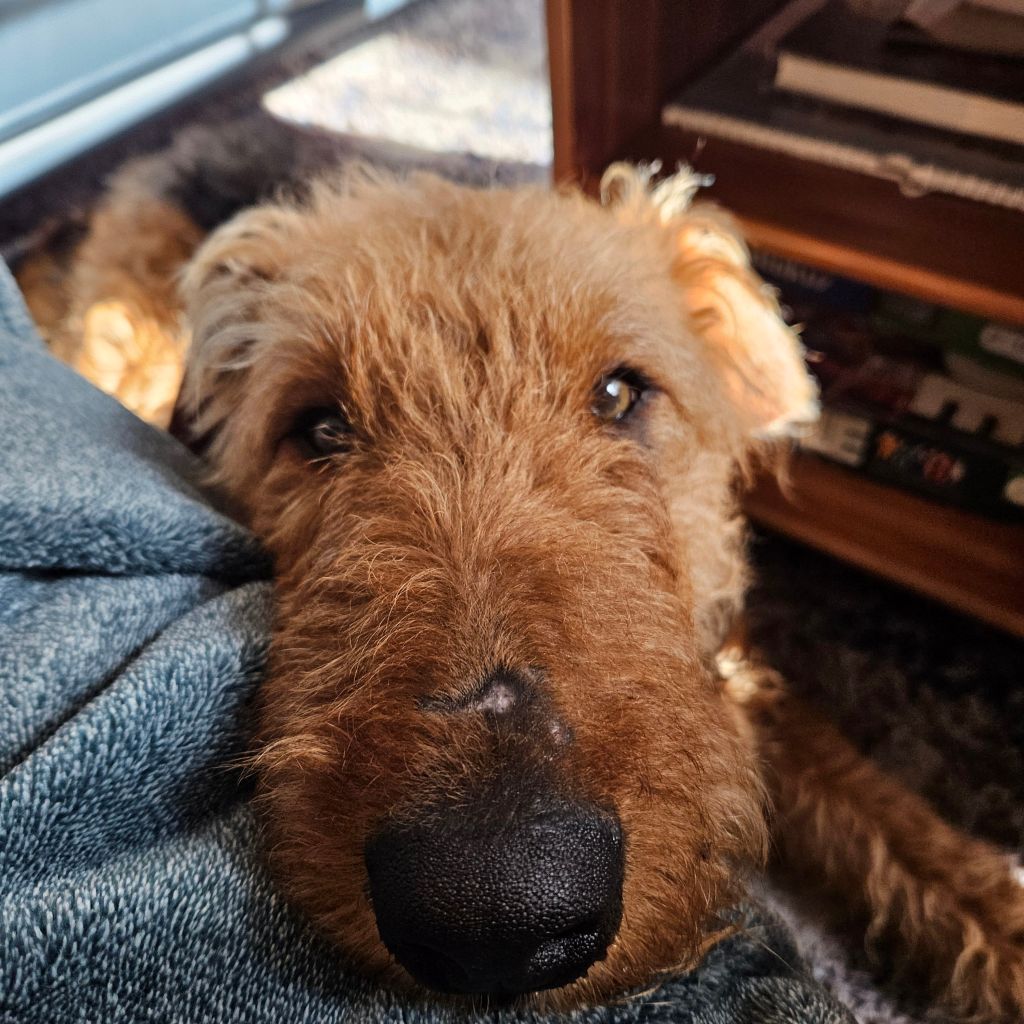
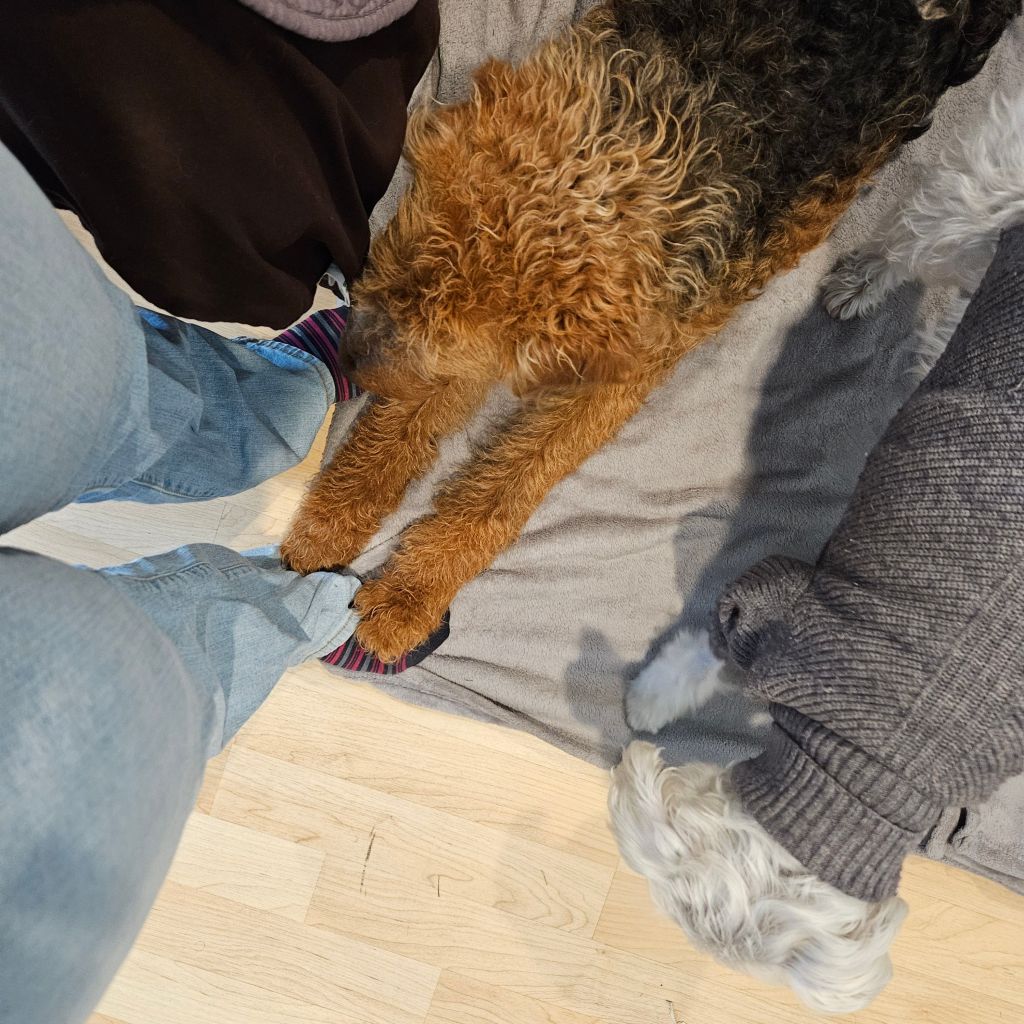
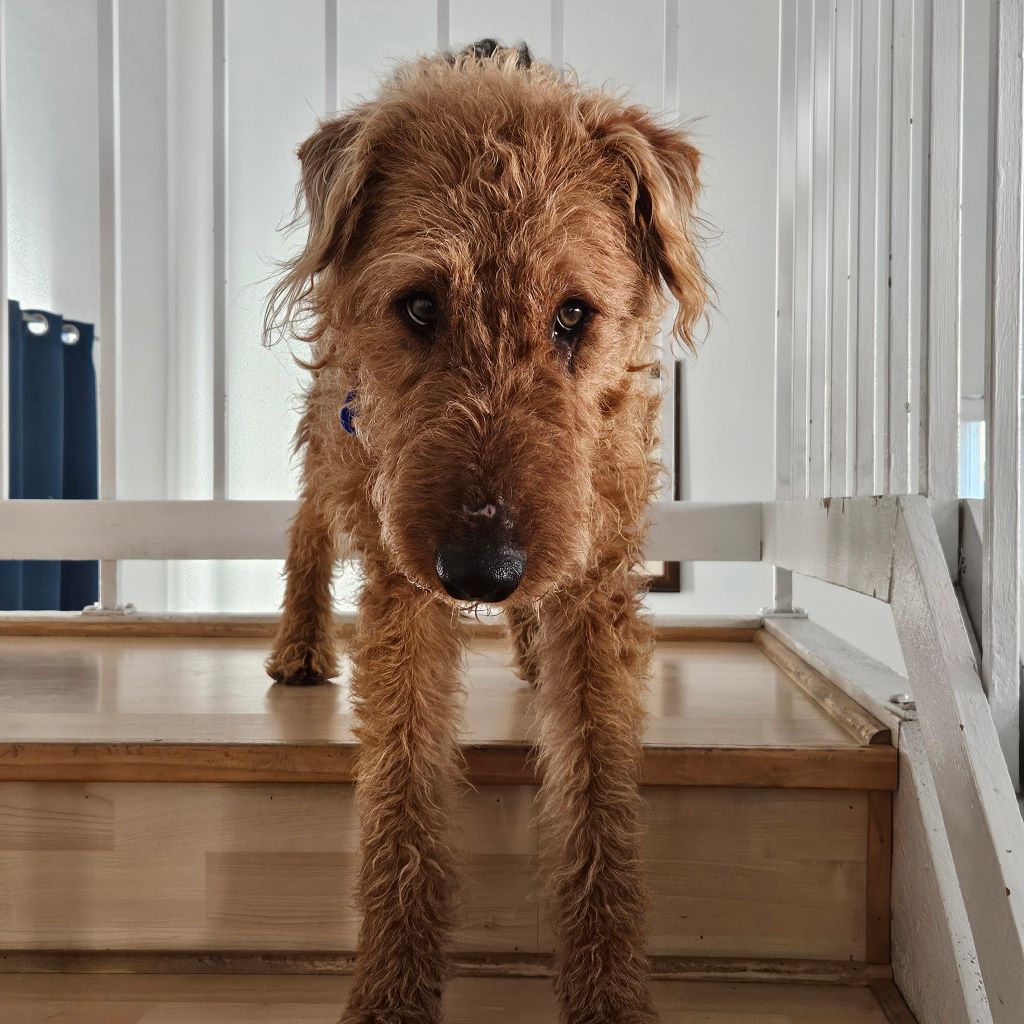
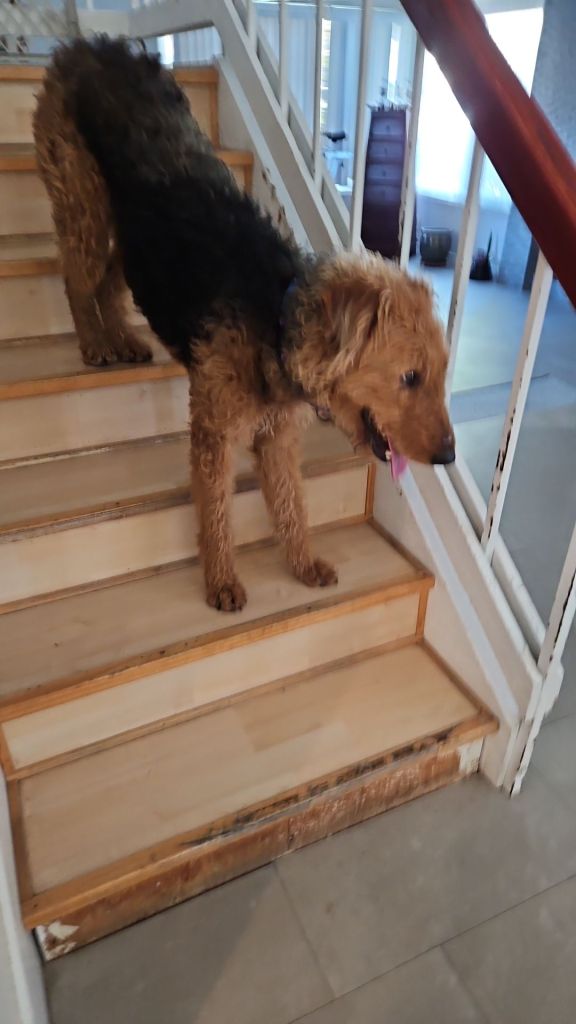
We fostered a rescue dog several months ago with the intent to “foster fail” and adopt her. Happily, we did fail at fostering, and now she shares our last name.

Our Shuki girl was rescued from a house that did not feed or give water to her and her siblings. She was extremely malnourished and very suspicious when we got her. Feeding time was like a piranha frenzy in the Amazon. She ate her food so quickly, you could barely count the seconds, out of fear that it would be taken from her. She gulped water the same way, creating big, messy puddles all around her.

She’s been with us for almost three months now, and we love her dearly. In that time, we’ve seen her grow from a fearful, malnourished pup into a sweet, cuddly companion. She is a big cuddler, unlike our previous dog, and seeks pets and attention quite a lot. She’s also scared of many things, especially big white cars. We suspect her abuser had a car like this.

Shuki knows many commands at this point and understands them in two languages. She is a very smart girl.

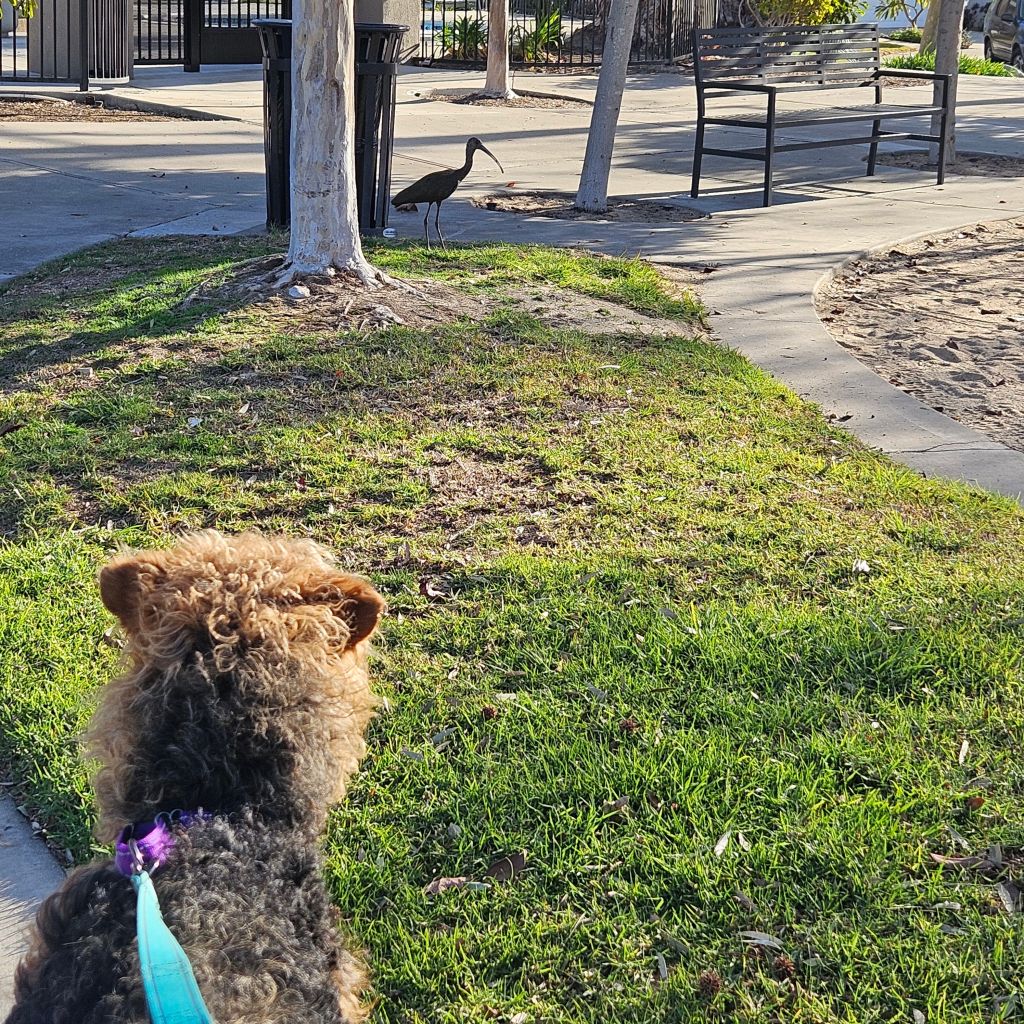
This week, however, we had a scary incident. Some kids came fast behind her on a walk with motorized scooters, and it freaked her out. She was so scared that she broke the leash and ran away. We panicked. Since she’d only been with us for three months, we weren’t sure where she would run to and were afraid she’d get hit by a car—or worse.

An emergency family phone call ensued, and we all went looking for her, worried sick. We found her about 10 minutes later—or better yet, she found us. She ran home, and luckily my husband was close by. He saw her and opened the door for her to enter the house. On the Ring camera, you can see her calmly walking into the house, while we were all in a panic.

Shuki girl ran home. She ran back to a place where she felt safe, secure, and loved.

There’s a common “Three, Three, Three” rule for rescue dogs. It means: three days to decompress, three weeks to learn the house routines, and three months to feel fully at home. We are very happy that she found her way home and that she considers our home her safe place. She’s a gentle giant, and we’re hopeful that she’ll be with us for many more years to come. But we could certainly do with fewer scary moments like that one!

March to Your Own Beet!

March to Your Own Beet!

Life is sometimes about patience and constant growth, following an unknown path, and trusting your instincts. It doesn’t have to be something huge or life-changing, but rather something small that can bring you joy and an opportunity to celebrate even the smallest achievements for yourself.

I own a small house in California. I don’t have a huge backyard, but rather a small patio with just enough space for container gardening, a BBQ, and a small patio set. I’ve always dreamed about having a big backyard so I could garden. For some reason, I enjoy plants. I’m not a great gardener, but I’m a happy one.

I planted tomatoes and peppers from scraps leftover from making salad, grew an avocado tree from the pit, and generally enjoyed schlepping around and playing in the dirt. I also have a great love for garden centers—Lowes and Armstrong were always my favorites.

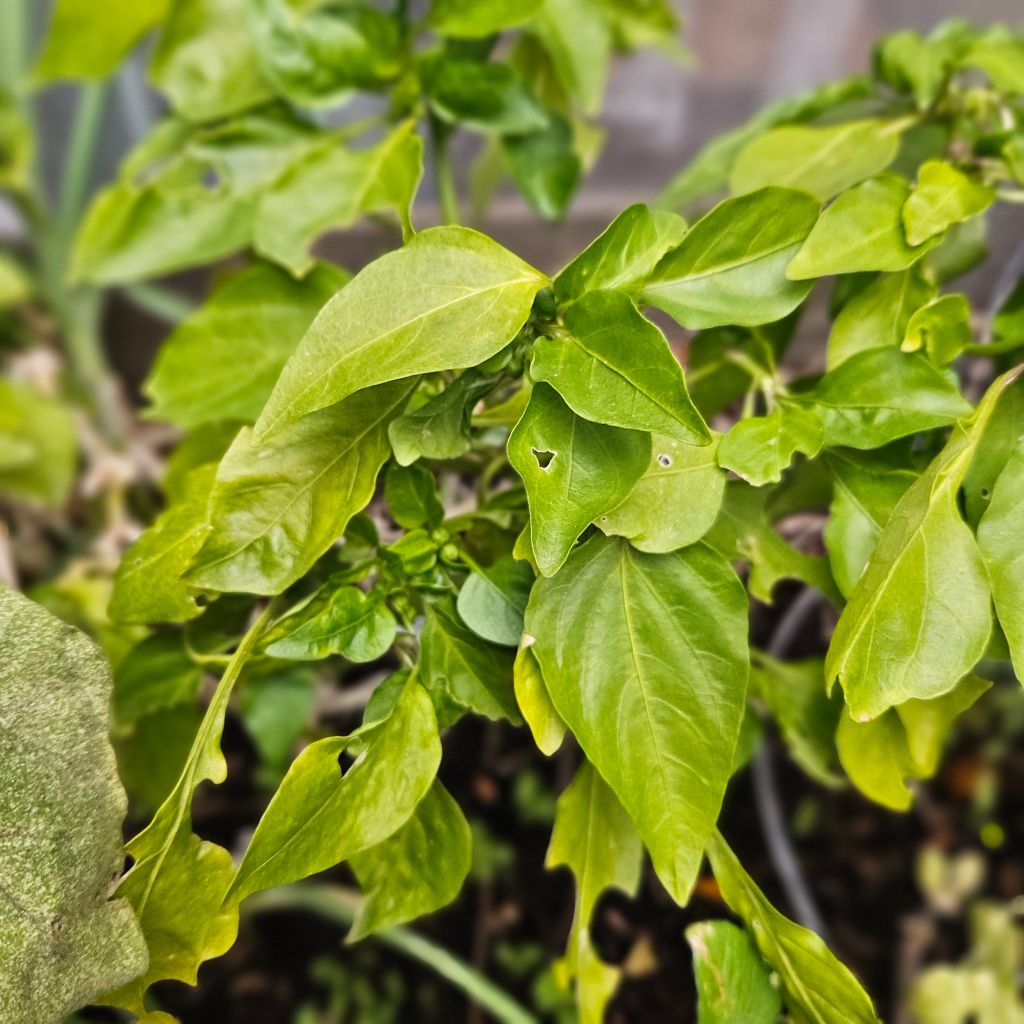
Last year, I became a little more ambitious and planted two types of eggplant. My optimism also led me to buy beet seeds. I thought, “What could happen? If they grow, they grow; if not, the packet was only a dollar ninety-nine, and I had fun.”

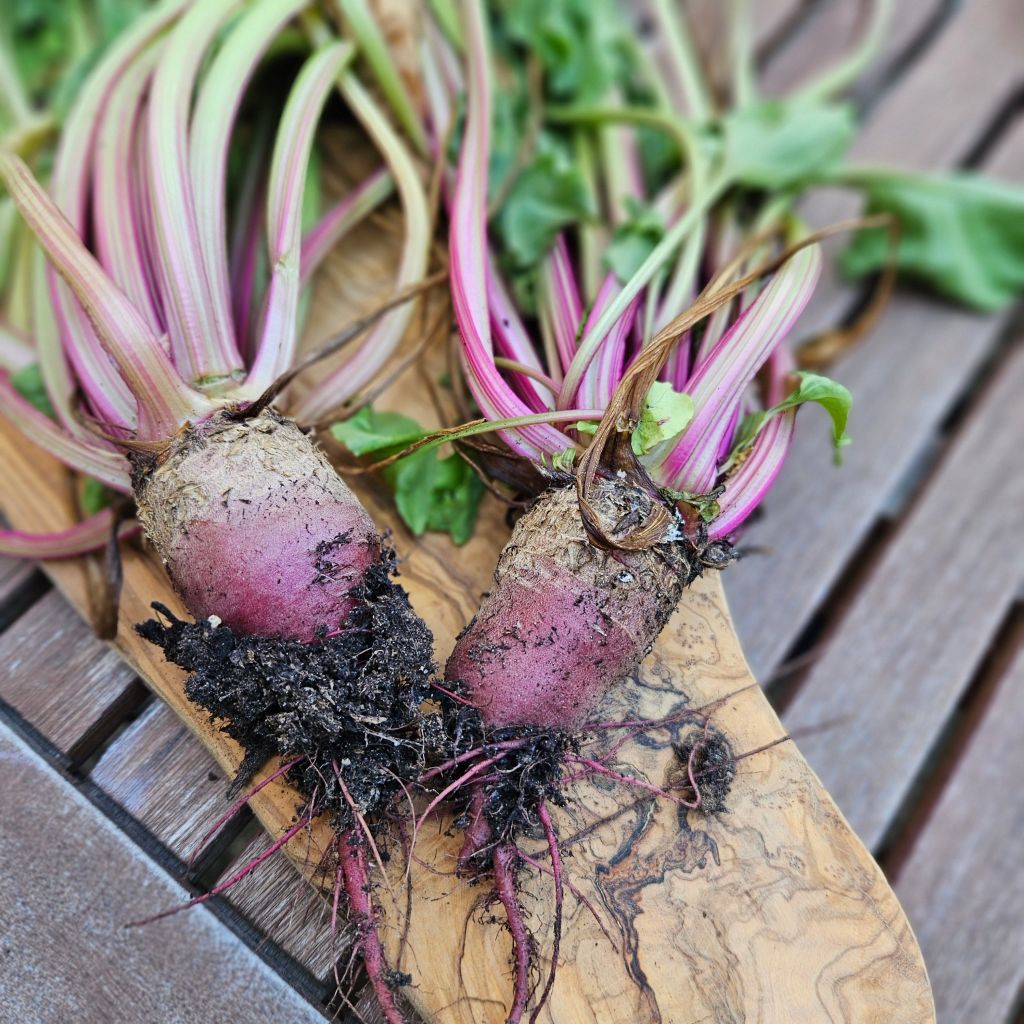
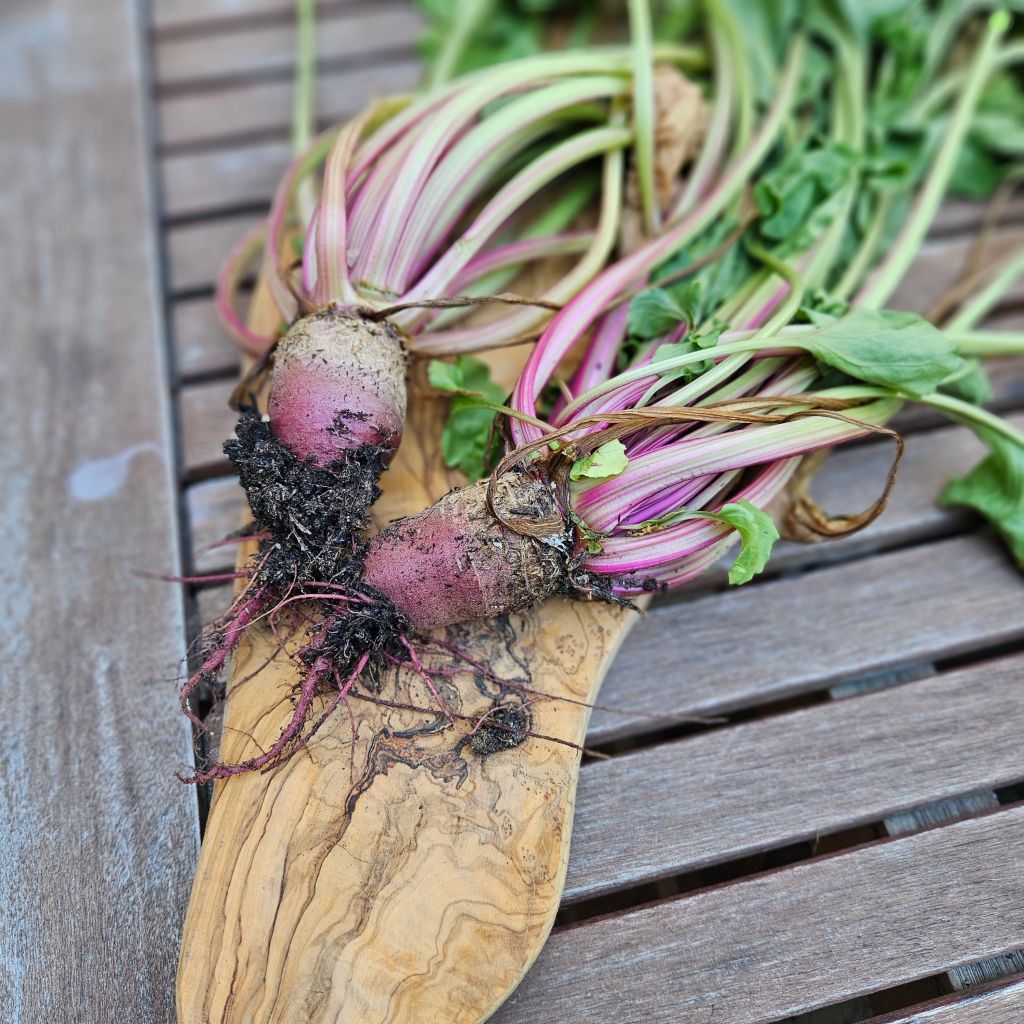
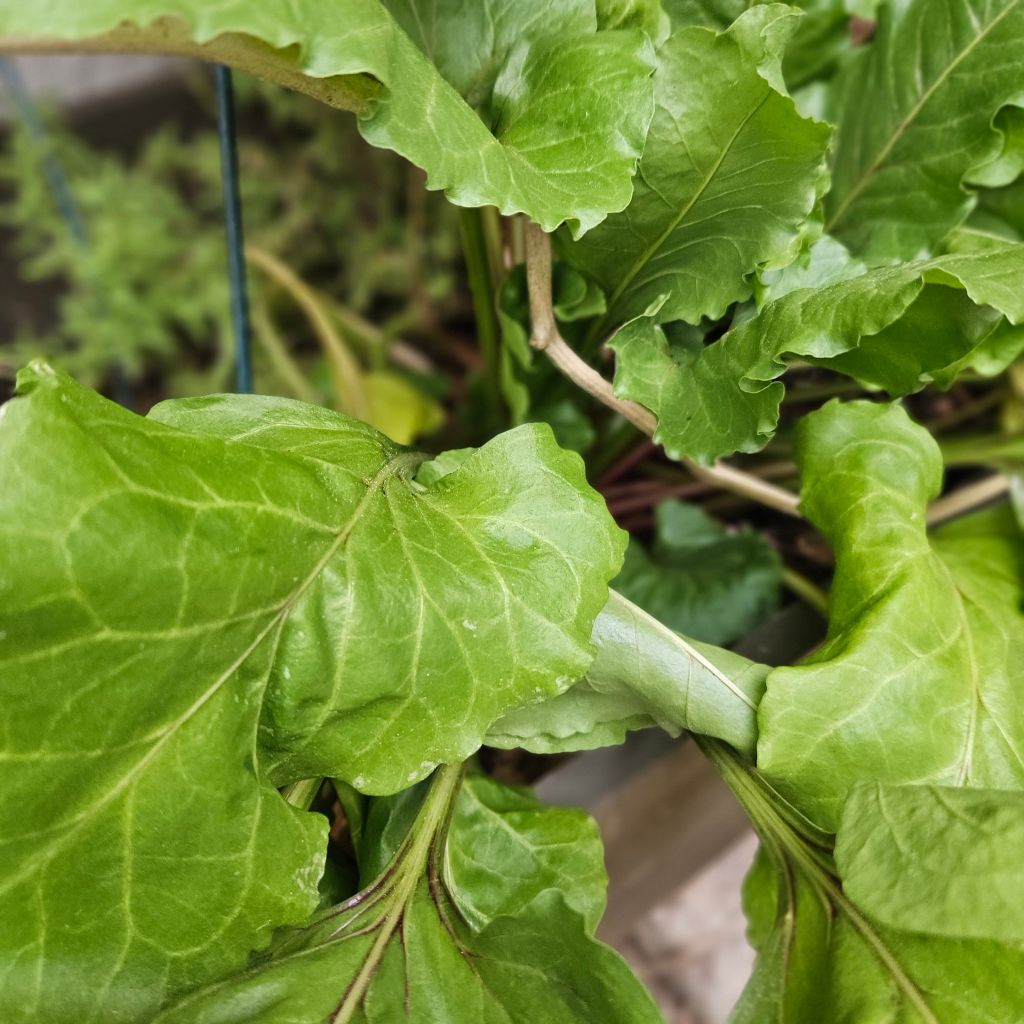
To my pure joy, leaves sprouted, and I watched my beet grow from a tiny plant to one with huge leaves. Every day, I checked on it, making sure it was growing, and trying to figure out when it was time to harvest. Yes, I could’ve Googled it, but instead, I decided to follow my own instinct. A year later, I have beets—and I am extremely excited.

I’m very well aware that buying beets at the store is easy, cheap, and convenient. But there’s something so special about seeing something grow from a seed to a full-blown plant that I harvested today.

Some days are all about the little things that make you happy—those small achievements that no one else may notice or care about, but they still manage to put a smile on your face and make you want to march to your own beet!

Facing Reality: My Journey from Out-of-Shape to Reclaiming My Fitness”

Today I discovered that I am an out-of-shape middle-aged woman. I knew I was middle-aged, so that was not really a surprise. The “out of shape” part, however, kind of threw me for a loop.

I started seeing a cardiologist, as it was suggested to me that, at my advanced age, I need to establish a relationship with one. It was a suggestion I listened to and actually followed through on.

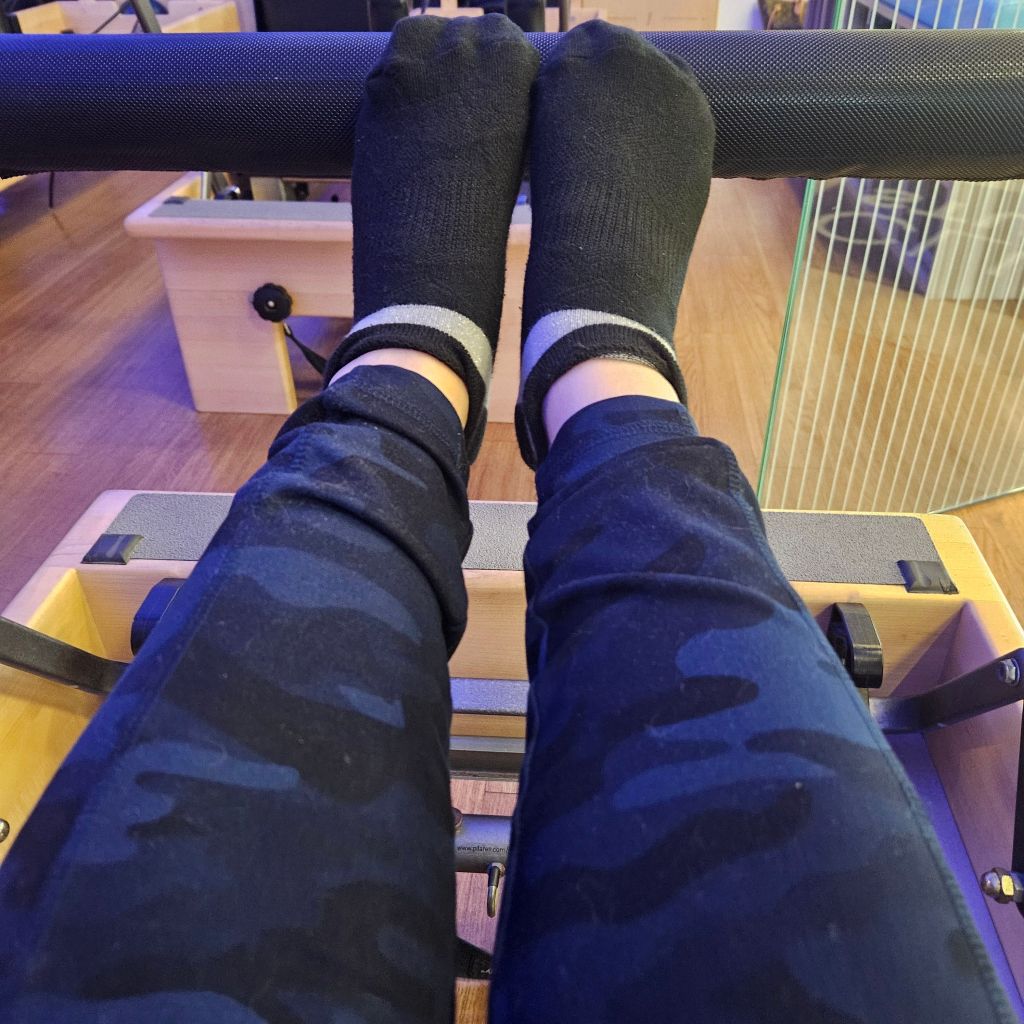
I met with the cardiologist, took a heart calcium scan, and had a stress test performed. I walk almost eleven thousand steps a day, do Pilates Reformer three times a week, eat a mostly healthy vegetarian diet, and I’m usually on the move even at work. I also lost almost thirty pounds this past year. So, I thought I would do great on the stress test—alas, I was wrong.

I used to hike a lot. I climbed all the way to the top of the Moon Pyramid in Mexico when it was still allowed, did part of the Great Wall of China, and climbed all the way up to the Pantheon on Lindos, just eight months after breaking my leg. This past summer, I biked for fourteen miles in Alaska—downhill, but I think it still counts! But apparently, all of this wasn’t enough. I am out of shape.

Naturally, I questioned this, and according to the experts, I’ve been neglecting my cardio. I thought that walking was cardio, but apparently, it’s not enough—at least not for my body.

So now comes the proactive part: how do I improve my sad state of cardio without killing myself and still enjoy it? This is a really tough question, as I hate going to the gym. I really do. I also hate running; I firmly believe that running can be uncomfortable for those of us with larger chests—it’s just not pleasant.

I already do Reformer Pilates, but that’s focused on core strength. Now, the cardio part needs to kick in. My middle child is getting married, and there’s hope for grandkids in the future, so getting in shape is a priority. The big question is: exactly how?

When I was younger, I loved biking, so I guess I’ll be biking once again. I think short hikes—with and without the dog—are destined for my future as well. And I believe I’ll also add at least one great date a week with the elliptical at the gym.

I’ll continue being middle-aged, at least for a while, but that won’t stop me from getting back in shape.

The Oscars, Celebrities, and My Inner ‘Old Lady’ No Filter

I didn’t watch the Oscars last night—honestly, I’ve never watched any award show. I find them pretty funny, in a way. It’s a bunch of people voting for themselves, giving out awards that in real life no one really cares about.

Sure, I’m sure it’s nice to see some fancy dresses, but as a woman who hates uncomfortable clothes, I really couldn’t care less about the outfits. And the speeches? Don’t get me started. The winners stand up and give these pretentious speeches that I just can’t be bothered with.

Movies aren’t my passion. I don’t have the patience to watch anything that lasts more than an hour, and even then, I’m only able to do so if I’m multitasking—like folding laundry. In fact, the only movies I’ve watched in the past couple of years were on planes. I was literally held captive 30,000 feet in the air with nothing else to do.

Honestly, all these award shows and the obsession with what actors have to say feel like a little bit of idol worship. And in my opinion, these are really false idols. Just because someone is on TV or in a movie doesn’t mean they have anything meaningful to say or offer.

Maybe this is because I’m getting older and losing patience with pretentious people, or maybe it’s just that my inner “old lady” with no filters is finally emerging. Either way, I’m starting to embrace it. Honestly, it’s kind of liberating.

Who Saved Who? My Journey with Shuki and the Power of Patience

Patience is not a strong virtue of mine. In fact, I’m pretty sure I don’t possess such a trait. I’m one of those people who need things done yesterday, even if the idea just crossed my mind three seconds ago.

We adopted a rescue dog several weeks ago, and we have no knowledge of her age or past, other than the fact that she was malnourished, neglected, and abused. With rescue dogs, there’s the 3-3-3 rule: you need a lot of patience. The first three days, the dog decompresses from the transition. The next three weeks, the dog settles into its new routine. And around three months, the adopted dog truly settles in and understands they are safe. Of course, every dog takes their own time and behaves a little differently. But the key to a successful adoption is providing a safe environment, training, and—most importantly—patience.

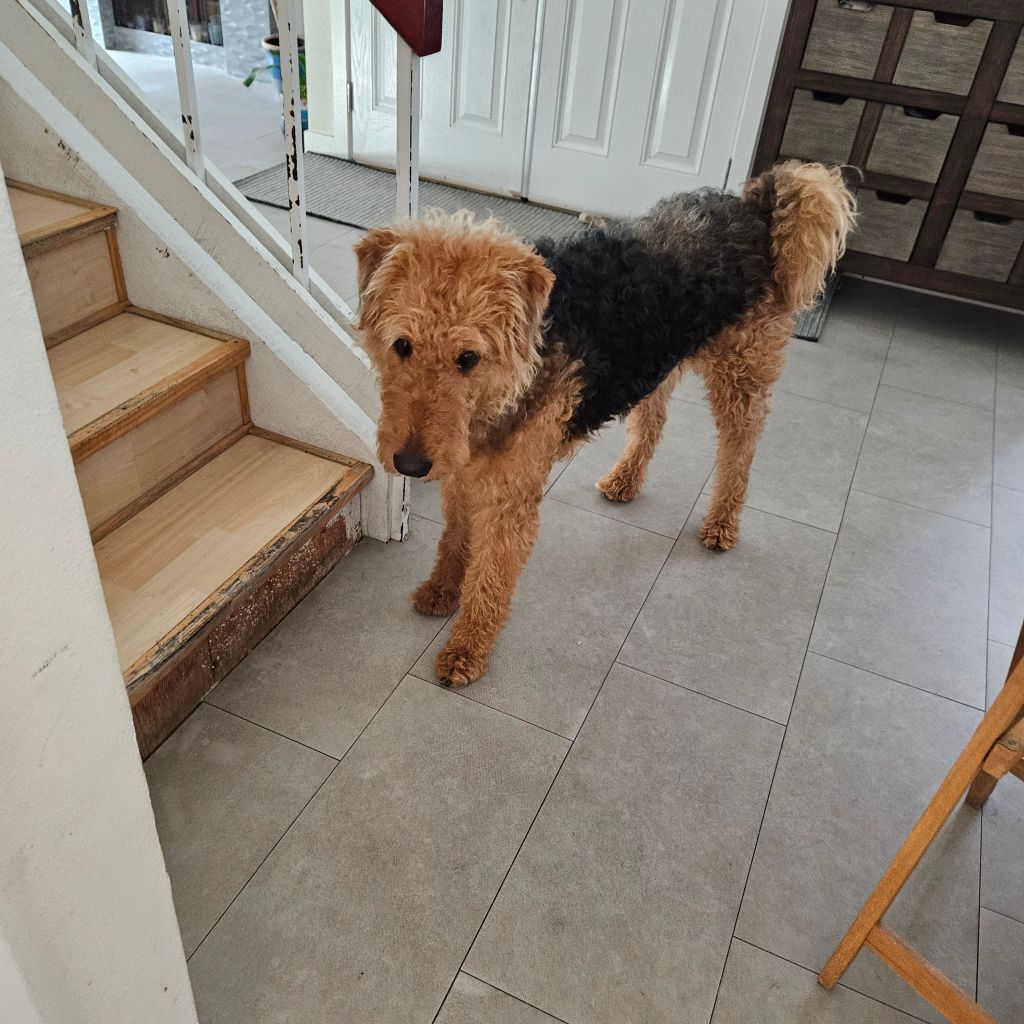
Patience. Again, not one of my strong suits, but in this case, a necessity. Shuki, the Airedale, has been with us for almost six weeks now. It took time for her to realize that I am safe and won’t harm her. In the beginning, she was afraid of even my smallest movements. She ate her food like a vacuum at light speed. She learned her name, responds to it, and is getting better and stronger every day.

Some days feel like the movie 50 First Dates—every morning, it’s like we’re starting the bonding process from scratch, even though she’s been with us for weeks. Unfortunately, like the movie, I can’t ask her to relive the past through a highlight reel of her last six weeks.

And once again, patience is needed. You often see bumper stickers with the saying “Who saved who?” I’m learning that this is true. Shuki is learning to trust, and in return, she’s teaching me the invaluable lesson of patience—something I never thought I’d master at my age. For that, I am grateful.

Starting Fresh: A Rescue Dog’s New Beginning and Ours

Our house has been very quiet the last 6 months since we lost our previous dog. The house was quiet, no dog toys everywhere, and my daily step count plunged. We were on a walk last week, talking about the possibility of getting a new dog. Little did we know, fate would intervene quickly—the very next morning, we found a dog looking for a home, and after applying, we welcomed our new girl.

Our new girl came from a rescue, and no one knows how old she is. All we know is that she was neglected and was looking for a loving forever home. Our previous dogs were puppies when we got them, so adopting a rescue is a new experience for us.

There is a 3-3-3 rule when you adopt a dog: it takes 3 days for the dog to decompress, 3 weeks to learn the household routine, and 3 months to fully settle in. We are on day 6, and she is starting to settle in—getting used to our routine, to us, to the neighborhood, learning some basic commands, and even starting to respond to her name (which she never had before).

As she is getting acclimated to our house and to us, we are also learning about her. This takes patience. Patience to follow her lead as she gets more comfortable around us, and patience for us in training her. Patience isn’t just necessary—it’s great. But not everyone is naturally patient. I’ll admit, I’m the type who wants things done yesterday. In a world where we get instant gratification from likes on social media and next-day Amazon deliveries, waiting for certain things can feel unnatural. But she is teaching me to stop focusing on her behavior, to follow her lead, and to be patient as she gets used to us.

She is also teaching me to manage my expectations. With puppies, you grow and train together. But with a rescue, the dog comes with its own set of experiences—good or bad training, and perhaps habits that need to be unlearned or reinforced. It’s not about lowering my expectations, but rather adjusting them to what’s realistic for the dog we’re adopting.

Our girl got a new lease on life and is getting a brand new beginning, and just like her, we can also start a new path and reinvent ourselves.