Beyond the Resume: Seeking Independence and Fulfillment

I’ve spent the last several days at home, taking care of my dog while she recovered from surgery. With all this downtime, I decided to tackle a few projects. One of those was updating my resume. I typically update it twice a year—not because I’m actively job hunting, but to ensure my information stays current and to keep up with new technology. After all, it never hurts to have an updated resume, as you never know what might come up.

But as I was updating my resume, a thought struck me—why am I doing this? What’s the point of updating my resume? Am I actively looking for a new job or a career change?

I’m in my mid-fifties, and I’ve started to think more seriously about what my future holds. The idea of working for a corporation no longer feels as appealing as it once did. So, am I looking for a new career? Not necessarily. What I’m really seeking is independence. I want financial stability, a place where my skills, knowledge, and life experience are valued and appreciated.

How do you update your resume when you’ve been in the workforce for many years, especially when you’re told it should only be one page? And with age discrimination at play, a longer resume can easily make you a target.

Did I update my resume? No, I didn’t. Instead, I decided to take a brain pause—to step back and really think about what I want for my future. It’s not about rushing into another job or career change, but about aligning my next steps with my values and goals for independence and fulfillment.

Facing Reality: My Journey from Out-of-Shape to Reclaiming My Fitness”

Today I discovered that I am an out-of-shape middle-aged woman. I knew I was middle-aged, so that was not really a surprise. The “out of shape” part, however, kind of threw me for a loop.

I started seeing a cardiologist, as it was suggested to me that, at my advanced age, I need to establish a relationship with one. It was a suggestion I listened to and actually followed through on.

I met with the cardiologist, took a heart calcium scan, and had a stress test performed. I walk almost eleven thousand steps a day, do Pilates Reformer three times a week, eat a mostly healthy vegetarian diet, and I’m usually on the move even at work. I also lost almost thirty pounds this past year. So, I thought I would do great on the stress test—alas, I was wrong.

I used to hike a lot. I climbed all the way to the top of the Moon Pyramid in Mexico when it was still allowed, did part of the Great Wall of China, and climbed all the way up to the Pantheon on Lindos, just eight months after breaking my leg. This past summer, I biked for fourteen miles in Alaska—downhill, but I think it still counts! But apparently, all of this wasn’t enough. I am out of shape.

Naturally, I questioned this, and according to the experts, I’ve been neglecting my cardio. I thought that walking was cardio, but apparently, it’s not enough—at least not for my body.

So now comes the proactive part: how do I improve my sad state of cardio without killing myself and still enjoy it? This is a really tough question, as I hate going to the gym. I really do. I also hate running; I firmly believe that running can be uncomfortable for those of us with larger chests—it’s just not pleasant.

I already do Reformer Pilates, but that’s focused on core strength. Now, the cardio part needs to kick in. My middle child is getting married, and there’s hope for grandkids in the future, so getting in shape is a priority. The big question is: exactly how?

When I was younger, I loved biking, so I guess I’ll be biking once again. I think short hikes—with and without the dog—are destined for my future as well. And I believe I’ll also add at least one great date a week with the elliptical at the gym.

I’ll continue being middle-aged, at least for a while, but that won’t stop me from getting back in shape.

How to lose your employee’s faith in the workplace   with one small step.

“I did not receive my paycheck today—not because I didn’t work or fail to submit my timesheet on time, but due to poor planning from headquarters and, frankly, a lack of respect for employees.

Our company has been going through restructuring, and it’s clear that the payroll process has changed. Typically, we receive our pay via direct deposit every other week, and this has never been an issue. However, this time, there was no advance notice that the payroll process would change.

With no communication about the changes, many of us were surprised today when our pay was not deposited. Instead, we found out through a system notification that paper checks are being mailed. After checking with USPS, I know my check won’t arrive today, and with Monday being a federal holiday, I don’t expect it to arrive then either. This delay has left many of us scrambling to manage our finances, and the lack of notification has only made the situation worse.

Proper planning and communication would have helped employees prepare for these changes. A simple email informing us of the switch, or even a down payment to help bridge the gap, would have made a big difference.

This situation raises some important questions:

  • Is this poor planning on management’s part? Absolutely.
  • Is this a sign of disregard or disrespect for employees? I believe so.
  • Will this affect employee morale? Without a doubt. When employees feel uninformed and unsupported, trust in leadership erodes, and so does faith in the company’s management.

This is particularly disappointing because I genuinely enjoy working here, but now I’m questioning the direction we’re heading. I hope management takes these concerns seriously and works on improving communication and employee support moving forward.”

The Importance of Patient Communication in Healthcare.

Or Bruised, Bandaged and Ignored!

This morning, I had my routine monthly blood tests. I get these quite often and know my body—and my veins, which are sometimes tricky. When I arrived at my appointment, I noticed a new phlebotomist. As usual, I explained that my veins tend to roll and that one side is better for drawing blood.

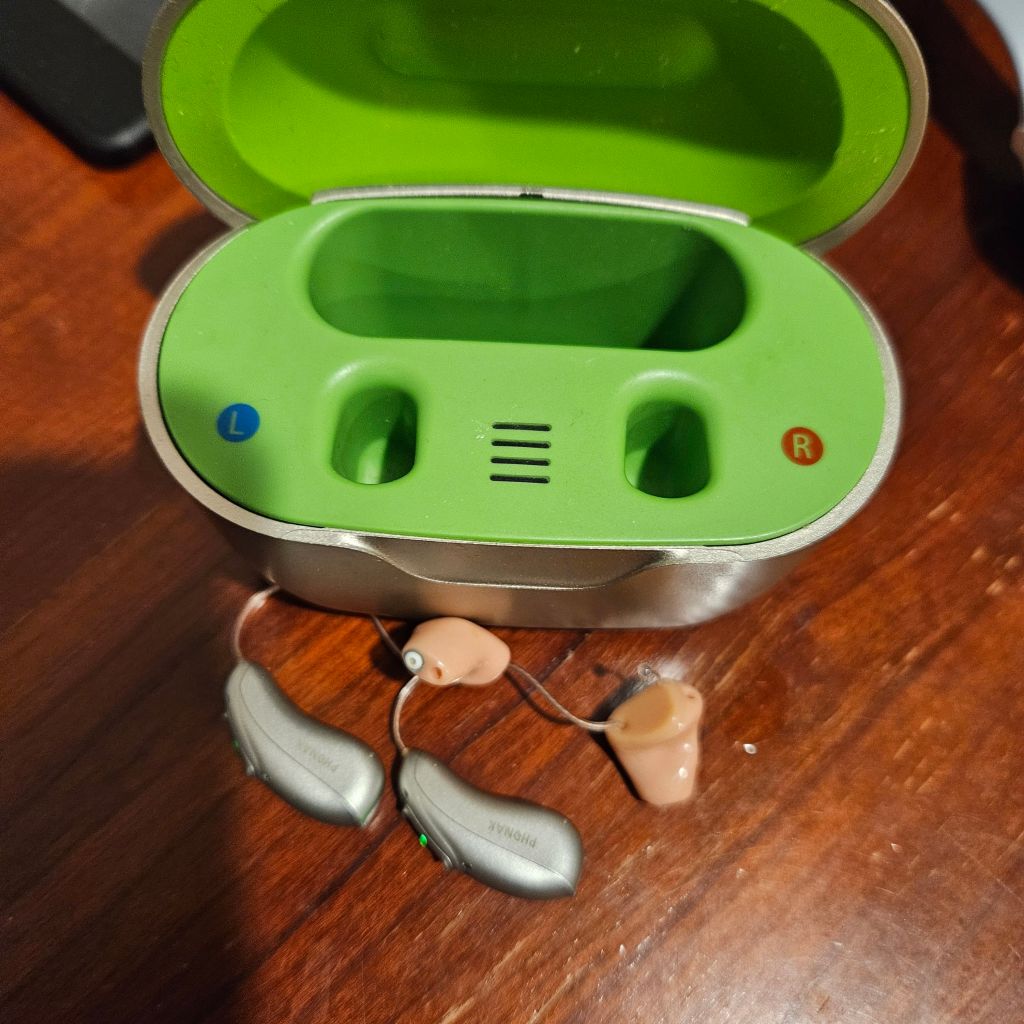
Unfortunately, my advice went unheard. Not only did he overlook my concerns about my veins, but he also failed to address my need for clear communication. I had told him that I am hard of hearing and need him to speak directly to me instead of turning his back.

I work in a fast-paced customer service job, speaking with many people every day. At the end of a long day, all I want is to remove my hearing aids and enjoy the silence. Having spent most of my life in customer service, I understand the challenges of balancing customer demands with providing quality service. But I also know that true service goes beyond just hearing; it’s about truly listening.

Dealing with an invisible disability comes with unique challenges. Listening to people costs nothing but can make a huge difference. Today’s experience highlighted a gap in how some service providers train their staff—not just in technical skills, but in valuing patients as individuals. It felt as though I was just another patient being processed through a conveyor belt.

By the time I left, both of my arms were sore, bruised, and bandaged. But what left the deepest mark was the feeling of being ignored.

Finding Balance When Life Gets Out of Sync

I’m technically on vacation this week—well, a forced vacation, as our office is closed. In my mind, vacation means fun, sleeping in, taking naps, and enjoying good meals. But apparently, my mind and my reality are not on the same page. I haven’t slept in once, and fun seems to be in short supply.

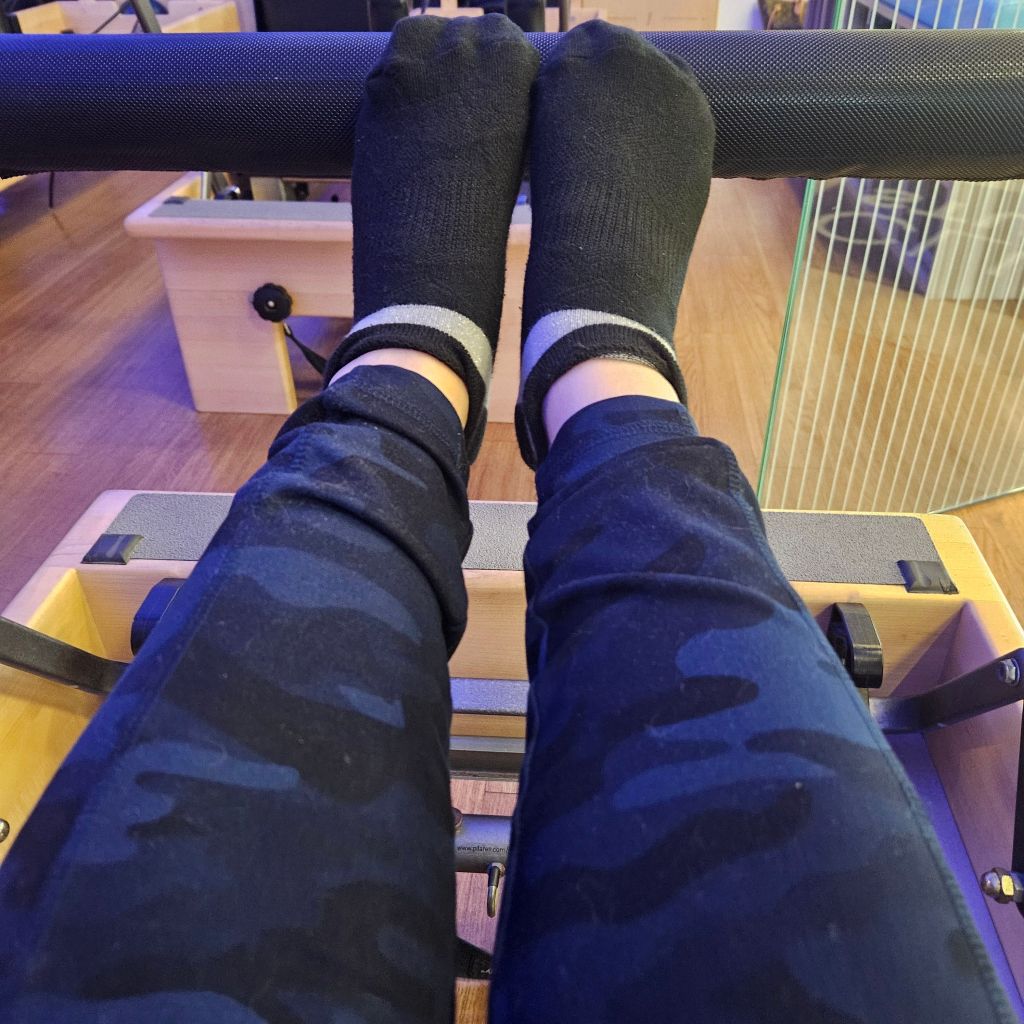
The first day of my “vacation” didn’t involve a flight to Hawaii or a relaxing retreat. Instead, it included a root canal. Yes, a root canal. Working non-stop for seven weeks meant that not only was I exhausted, but I also neglected my health, sleep, and all my appointments. The only thing I didn’t sacrifice was Pilates. I stuck with it, no matter how tired I felt, and honestly, it became my lifesaver.

Don’t get me wrong—I’m all about maintaining a healthy work-life balance. But life circumstances changed earlier this year. My husband lost his high-tech job as part of the massive layoffs happening everywhere, and I became the primary breadwinner. Not only did I take on a regular 40-hour job, but I also had a side hustle. To make ends meet until my husband found another job, I had to pour more energy into that side business.

And so, the concept of work-life balance pretty much flew out the window. In addition to my full-time job that covered health insurance and paid the bills, I dedicated time to building my side hustle. The positive side of this was that I became laser-focused on its development and the direction I wanted it to go. The downside? Exhaustion. Exhaustion to the point where even sitting down to read a short book felt like a monumental effort.

Luckily, my husband has found a new job, and I’m able to worry a little less. But finding that elusive balance again is no easy feat. When you’ve spent so long running on stress, it’s hard to suddenly switch gears and restore equilibrium. My brain has become so accustomed to juggling multiple tasks at once that it doesn’t know how to slow down and regain some semblance of balance and sanity.

Scheduling doctor and dentist appointments is a step in the right direction—at least I’m putting my health first. But it doesn’t necessarily help my mental state. I’m also using this “vacation” to focus a bit more on my side hustle and how to turn it into a profitable business.

Will I manage to get some rest, or at least sneak in a nap during my time off? I’m not sure, but I’ll definitely do my best to make it happen.

When Employees Feel Unheard

There is nothing worse than feeling unheard at your workplace. It makes you feel invisible, like just another cog in the machine. Each year, you receive an anonymous survey where you are supposed to express your concerns in hopes of being heard. Yet, year after year, nothing changes.

We all experience this feeling, whether we work in a large corporation or a small family-run business. We have good ideas that could benefit the company, yet they often go ignored. Worse still, when we alert management about misbehavior or processes that harm employees and create unnecessary work, we are dismissed or told we are wrong.

When it’s just you, it’s easy to question your own perceptions. However, when multiple employees share similar feelings, it becomes clear that there may be validity in those concerns. Granted, employers are not obligated to heed employees’ suggestions, even when they are valid. Both big corporations and small family-owned businesses typically owe employees little more than a salary—at least, that’s how many of us feel.

Feeling unheard leads to feelings of unappreciation, which do not simply vanish. Instead, they foster resentment and unhappiness with our jobs. We begin to question our motivations for working, prompting us to dust off that old resume and update it. On a particularly bad day, we might even tweak our LinkedIn profiles and browse job boards. When just one employee feels this way, the company might not notice. But when multiple employees feel unheard and unhappy, the company faces a significant problem.

In a workplace suffering from corporate deafness, can anything be done? Probably. The real question is whether anyone is willing to listen and act on employee feedback. One part of the solution lies in training: equipping managers to be effective leaders who genuinely pay attention to their employees. This is fixable if there is the will to make it happen.

Another challenge arises when management is indifferent—whether because they believe the current economic climate means no one will leave, or because a manager feels untouchable as part of the family business. Some companies simply do not care, assuming they can always hire someone new. While it’s true that we are all replaceable, this mindset overlooks the costs involved. Training new employees takes time and money, and high turnover leads to inefficiency and inconsistency in work. Ultimately, management should care.

Can you force anyone to listen or to care? No. However, when undervalued employees reach their breaking point, they may simply choose to leave, taking their knowledge and great ideas with them.

My Facebook was hacked this week

My Facebook was hacked this week, there is nothing special about it. I hardly use my Facebook and I very rarely post on it, if anything I only post stuff that is related to my blog.  I lost control over my account for several hours, mostly because I don’t go on my Facebook often and because the email I used for the account was my trash email that I rarely check. I would I would have seen the notification that my email and contact information was changed. Definitely an oversight on my side and will not happen again. I spent several late night hours recovering my account successfully and then changing all passwords on all my other accounts and adding as many layers of security that are available now.

I was done with all this at 1am and then took several hours to calm down and decompress as I was extremely angry and that created even more anger and aggravation in me.  This anger woke up my internal Liam Neeson as in the Taken movie series, and I am filled with fury and obsession. Or as my husband says there is nothing more worrisome than me with a vendetta. 

Despite being a middle aged woman with liberal arts degrees I figured out how to get my account back, find the hackers email (which I assume to be their junk email), track their IP address and block their devices. I have not decided on what to do with this information yet. But I have become a little neurotic, I check everything many times a week and too many during the day now,

Add the extra security to all your accounts, create your recovery codes, make sure your email that is connected to the account is updated and stay vigilante.

My Emogi Stone

In July 1799 Napoleon’s army found the Rosetta stone and ever since then hieroglyphs have been interpreted and understood. This was a great moment in history for the human kind and as someone could finally interpret the hieroglyphs in Egypt.

And then in the 2000 we had another monumental discovery, emojis. Ever since then humanity went back and humans started conversing again in pictures, apparently the cave man had it right. I recently received a text from a prospective client of mine on my work phone in response to something I texted them. Instead of a real conversation I received a text back with 5 faces with tears, 10 praying hands and 3 hearts. Mind you, this prospective client is an adult and this was a business text. We have never met each other. As I am  an adult who only uses emojis in texts with immediate family and friends, I was a little dumbfounded as I had no clue on how I am supposed to respond to this. 

What happened to business writing or texting? A couple of years ago I took a great class through Coursera on Business writing, professional texting etiquette was not part of the course. Neither was interpreting emojis part of the course. I am aware I am a little older and don’t use emojis that often and I do use real words and sentences so I am not always sure what the interpretations for emojis are. I am debating creating an  “ Emogi Stone” to help people interpret what other people are texting us or to make sure we are not texting something weird to others.

However, in my own personal humble opinion, there is no room for emojis in business emails and texts unless you work for a software company that creates emojis as part of their business. It seems like we regressed back a couple of hundred of years. So in your personal life go ahead, and if you really feel inclined to send me a business text, please   📧 🔠🙏

Eternal student

Every Tuesday I wake up very early for my language class. It is an international class so people log in literally from all corners of the earth. It is still dark outside, cold and everyone else is still sleeping. Even the dog does not understand what I am doing up at this  crazy time. And every Tuesday when the alarm goes off and I get dressed quietly in the dark so I will not wake my husband up, I ask myself – are you crazy, why on earth are you doing this? Go back to sleep.

And yet, after each class I am happy and I  smile, as tired as I am, I really enjoy this class even though I am not really good in this class. 

As an adult it is fun for me to learn new languages and just learn new skills. I find it really good for my soul as it brings me joy and probably helps combat dementia or alzheimer. Some tell me I am nuts for taking on new study areas. After I finally finished my MBA my husband looked at me and asked when I am going to get my PHD, I said never. But these days I am reconsidering. 

We are never too old to learn and yes I finished my masters at 54, but who says I can’t get a PHD by 65, I am not in a hurry and I don’t mind being an old woman when I get my degree. This is part of the fun of doing  new things when you are older and have the freedom to follow whatever your heart desires. Macrame, new language, or anything else that suits me at the time.

And if waking up in the dark, logging in to a class with people from all around the world makes me happy albeit tired, great. I shall continue, who knows maybe I did find my new calling as the eternal student.

The true judgment of character is how we treat other human beings.

I partially work in a front facing customer support job. Every once in a while we have that one customer that we all scratch our heads and do not believe they are real. We are a multicultural workplace, we are all multilingual and most of us speak more than 3 languages, so we are all fluent in ,most of the bad worse used.

We had a customer who we  could not assist with their request. We explained why and even spoke to the customer’s husband on the phone explaining everything. The husband was polite and understood where we were coming from. The wife was a different case, in the presence of her son she started cursing the office in her native language, which most of us understand and described us as having the oldest profession on earth. The words she used were very crude and yes, she thought we did not understand her  and we continued to smile politely while enduring all the insults. 

What did this customer get out of this, absolutely nothing. Besides venting her frustration in a very extremely poor manner, he taught her child that it is ok to abuse and mistreat customer service people, definitely taught him a word or two that he did not need to learn at his age. Did she achieve anything, nothing at all. We all remember her now and like any business we have the right to refuse service.

The big picture is why do people treat customer service in this way? When has rude and crude behavior become the acceptable norm.We have noticed more mistreatment especially after the pandemic. People have become more impatient, rude and expect everyone to answer them asap if  you can not.  I was always taught that if you treat people nicely you will be treated nicely back, the old saying – you get more flies with honey, still stands true in my opinion. And just because you treat a server, cashier or anyone else in a rude manner does not make you better than them. There is no justification for rude behavior and being an asshole

The true judgment of character is how we treat other human beings.